



Comparison of Furacin with other commonly used antibacterial agents

Benefits of topical treatment with Furacin
Furacin is indicated for the prevention of bacterial infections in burns, wounds, lacerations, abrasions and skin ulcers. It is available as an epidermal cream with apricot extract and beeswax. Its effect is further supported by Microcyn® technology, which is a unique pH-neutral sterilant product with wound-healing capabilities. It is bactericidal against most pathogens that cause topical infections. In clinical practice, Furacin is often considered when local antibacterial cover is needed and resistance to other agents is a concern.
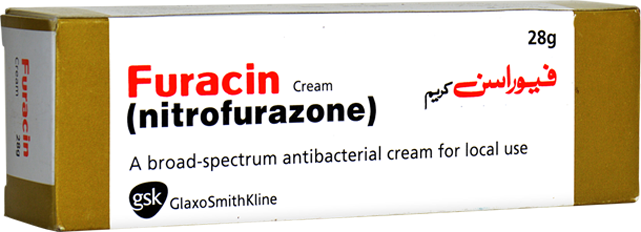
When choosing between topical antibacterial agents, clinicians and patients may compare the spectrum of activity, cosmetic acceptability, tolerability and ease of use. The agents described below illustrate some of these differences.
| Product | Active component or type | Main indications from text | Notable features mentioned |
|---|---|---|---|
| Furacin | Nitrofurazone-based cream with apricot extract and beeswax | Prevention of bacterial infections in burns, wounds, lacerations, abrasions, skin ulcers | Uses Microcyn technology; pH-neutral sterilant; bactericidal against common topical pathogens |
| Neosporin | Topical antibiotic ointment | Wound-healing support for cuts, scratches, burns; prevention of infection | Three-step use (cleanse, treat, protect); rapid absorption; helps relieve pain and minimise scarring |
| Fucidin | Fusidic acid | Skin infections, especially Gram-positive; impetigo, carbuncles, infected lesions, folliculitis, boils, acne-related lesions | Broad Gram-positive coverage including MRSA; cosmetically acceptable, invisible, stain-free for face and scalp |
| Furazone | Nitrofurazone | Adjuvant treatment of second- and third-degree burns; use with skin grafts when bacterial contamination is a concern | Active against Gram-positive and Gram-negative bacteria; does not macerate tissues; can be applied repeatedly |
Furacin vs Neosporin
Adverse reactions to Furacin sometimes occur in patients who are hypersensitive to nitrofurazone. Occasional allergic skin manifestations include local hypersensitivity or eczema, which subside when the product is discontinued. Patients should be advised to stop using the product and seek medical advice if significant irritation develops.
Complete intolerance to nitrofurazone may be the reason some patients prefer Neosporin. This product promotes wound healing through an easy-to-follow three-step process: 1) Cleanse, 2) Treat and 3) Protect wounds to prevent infections and speed up healing. Rapid absorption of the cream relieves pain in smarting cuts, scratches and burns, and may help prevent the spread of infection. Another benefit of Neosporin compared with Furacin is that it helps minimise scarring.
Other characteristics of Neosporin antibiotic ointment include the following:
- double protection from bacterial infection for children, accompanied by pain relief;
- reduces the smarting sensation in cuts, scratches and burns;
- rapid absorption;
- suitable for children from 2 years of age.
For both products, careful wound cleansing and adherence to the recommended application instructions are important to optimise outcomes and reduce the risk of complications.
Furacin vs Fucidin
Fucidin cream is also indicated for the treatment of skin infections, especially those caused by Gram-positive bacteria. Compared with Furacin, however, Fucidin offers a broader spectrum of antibacterial activity. Target species include staphylococci (including MRSA), Streptococcus, Propionibacterium acnes and Corynebacterium minutissimum. This versatility makes Fucidin a suitable medicine for indications such as impetigo (both bullous and non-bullous), carbuncles, infected lesions, hidradenitis, folliculitis, boils, paronychia, sycosis of the beard and erythrasma. Fucidin cream is also a cosmetically acceptable treatment for face and scalp infections in cases of acne vulgaris because it applies invisibly and does not stain.
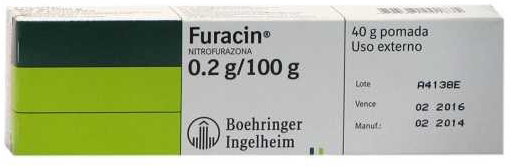
In addition, Fucidin differs from Furacin in its mechanism of action. The antibacterial action of fusidic acid results from inhibition of bacterial protein synthesis, as it interferes with the transfer of amino acids for the aminoacyl tRNA in the ribosomes. The resulting effect can be bacteriostatic or bactericidal, depending on the size of the inoculum. Primarily, Fucidin is an antibiotic that exerts antimicrobial activity against various Gram-positive organisms. At the same time, in addition to its marked activity against most microorganisms responsible for skin infections, Fucidin has the additional advantage of reaching the source of infection even when applied to intact skin. Topical administration of this cream results in much higher local concentrations of fusidic acid than can be achieved with similar preparations.
The choice between Furacin and Fucidin depends on factors such as the suspected pathogens, the site of infection, prior response to treatment and patient-specific considerations such as allergy history and cosmetic preferences.
Furacin vs Furazone
Nitrofurazone is another topical antibacterial agent indicated as an adjuvant treatment for second- and third-degree burns. Like Furacin, it is used when resistance to other agents is a real or potential problem. Nitrofurazone is also indicated in cases involving skin grafts, specifically when bacterial contamination may cause graft rejection or infection at the donor site, which is not infrequent in hospitalised patients with a history of bacterial resistance.
Furazone mainly differs in its ability to inhibit both Gram-positive and Gram-negative bacteria.
Topical Furazone is administered after cleaning the infected area. Apply enough ointment to the lesion using fingers, or by using rolls or gauze strips impregnated with the product, especially for burns, grafts and superficial wounds. Application of the ointment can be repeated several times a day, but even when a different dosage scheme is followed, dressings should be changed frequently. Furazone can usually be used until the infection subsides, as it does not macerate the tissues. The Furazone solution, on the other hand, can be applied by spraying it directly or applying the aerosol to dressings (with an atomiser) in locations where applying medicine-soaked gauze bandages is difficult or inconvenient.
Patients using Furazone or Furacin should be monitored for local tolerance and overall clinical response. Any lack of improvement, worsening symptoms or signs of systemic infection should prompt timely reassessment by a healthcare professional.