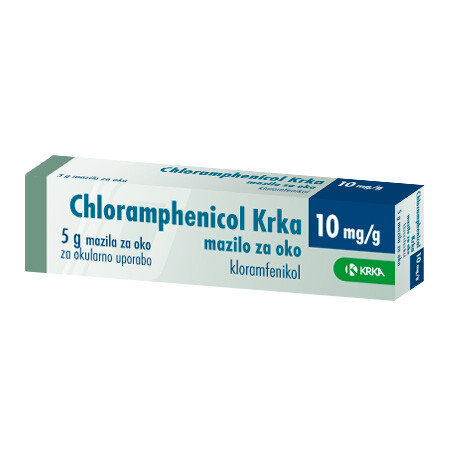
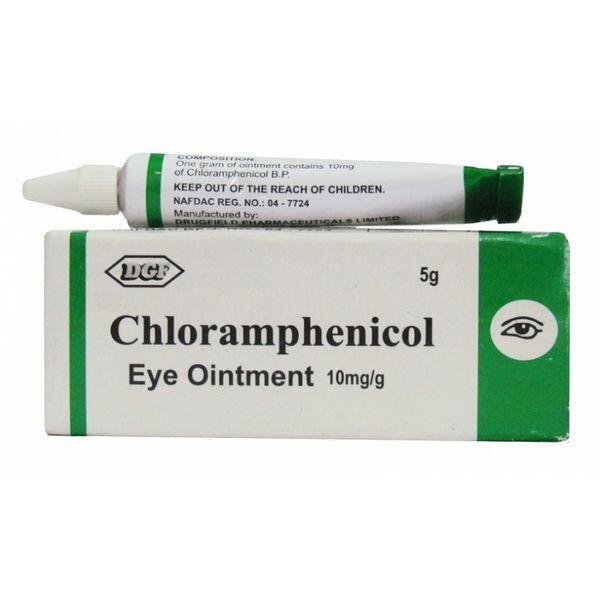
Chloramphenicol antibiotic
Chloramphenicol is a synthetic antibiotic that is active in vitro against many Gram-positive and Gram-negative aerobic bacteria.
Uses
Chloramphenicol should be used only to treat serious infections caused by susceptible bacteria or rickettsiae when less toxic medicines are ineffective or contraindicated. It must not be used to treat minor infections, as a preventive treatment for bacterial infections, or when it is not indicated, such as for colds, influenza or a sore throat. Before starting chloramphenicol, appropriate specimens should be collected to identify the causative organism and carry out in vitro susceptibility testing. Treatment may be started while waiting for the test results, but it should be stopped if testing shows the organism is resistant to chloramphenicol or is susceptible to potentially less toxic medicines.
Typhoid fever and other Salmonella infections
Chloramphenicol is used to treat typhoid fever (enteric fever) caused by susceptible Salmonella Typhi. A range of anti-infectives have been used for typhoid fever, including chloramphenicol, ampicillin, amoxicillin, co-trimoxazole, cefotaxime, ceftriaxone, fluoroquinolones and azithromycin.
Multidrug-resistant strains of S. Typhi (that is, strains resistant to ampicillin, chloramphenicol and/or co-trimoxazole) have been reported increasingly often. A third-generation cephalosporin such as ceftriaxone or cefotaxime, or a fluoroquinolone such as ciprofloxacin or ofloxacin, is considered first-line treatment for typhoid fever and other severe infections known or suspected to be caused by these strains. Although fever may settle faster with chloramphenicol than with ampicillin, results from a few controlled studies suggest the response is slower with chloramphenicol than with amoxicillin.
There is some evidence that up to 10% of patients who receive chloramphenicol for typhoid fever become temporary or permanent carriers of S. Typhi. Amoxicillin, co-trimoxazole or a fluoroquinolone such as ciprofloxacin are generally preferred for treating the typhoid carrier state; chloramphenicol should not be used to treat S. Typhi carriers.
Meningitis
Chloramphenicol is used to treat meningitis caused by susceptible bacteria, including susceptible strains of Neisseria meningitidis, Haemophilus influenzae and Streptococcus pneumoniae. However, it is not considered a first-line treatment for meningitis and is generally used only when penicillins and cephalosporins are contraindicated or ineffective.
Chloramphenicol should not be used to treat meningitis caused by Gram-negative bacilli and, despite evidence of in vitro activity against Listeria monocytogenes, it is usually ineffective for meningitis caused by this organism.
While IV ampicillin used together with IV chloramphenicol was previously considered a preferred empiric treatment for meningitis in children and infants aged 1 month or older, most clinicians now recommend IV ampicillin plus either IV ceftriaxone or IV cefotaxime for this age group.
While waiting for CSF culture and in vitro susceptibility results, the most appropriate empiric anti-infective regimen for suspected bacterial meningitis should be chosen based on the CSF Gram stain and antigen test results, the patient's age, the most likely pathogen(s) and source of infection, and current patterns of bacterial resistance in the hospital and local community.
When culture and susceptibility test results become available and the pathogen has been identified, the empiric regimen should be adjusted if needed to make sure the most effective treatment is being given.
Chloramphenicol is used as an alternative to penicillins and cephalosporins for meningitis caused by penicillin-susceptible S. pneumoniae. However, treatment failures have been reported when chloramphenicol was used for infections caused by penicillin-resistant S. pneumoniae, despite in vitro susceptibility.
It has been suggested that chloramphenicol may have had only bacteriostatic activity in these patients, and it would generally be considered for meningitis caused by penicillin-resistant S. pneumoniae only if in vitro testing shows that the minimum bactericidal concentration (MBC) is 4 mcg/mL or less. Because there are insufficient data on the effectiveness of chloramphenicol used with other anti-infectives for meningitis caused by penicillin-resistant S. pneumoniae, these regimens are generally not recommended in Australian clinical practice for these infections.
For information on treating meningitis caused by S. pneumoniae, including strains with reduced susceptibility to penicillins and/or cephalosporins, see Meningitis Caused by Streptococcus pneumoniae under Uses: Meningitis and Other CNS Infections in Ceftriaxone 8:12.06.
Chloramphenicol can be used as an alternative to penicillins and cephalosporins for meningitis caused by beta-lactamase-producing or non-beta-lactamase-producing H. influenzae. Although chloramphenicol-resistant H. influenzae have been reported in some parts of the world, these strains remain relatively uncommon in Australia. While many clinicians prefer ceftriaxone or cefotaxime as initial treatment for meningitis caused by H. influenzae, in Australian practice children with possible H. influenzae meningitis may also be started on ampicillin together with chloramphenicol where clinically appropriate.
The incidence of H. influenzae meningitis in Australia has decreased considerably since H. influenzae type b conjugate vaccines became available. Although IV penicillin G is considered the treatment of choice for meningitis caused by N. meningitidis and ceftriaxone or cefotaxime are the preferred alternatives, especially for penicillin-resistant strains, chloramphenicol is considered an alternative to penicillins and cephalosporins for N. meningitidis meningitis. Strains of N. meningitidis resistant to chloramphenicol have been isolated from some patients with meningitis in certain regions, such as Vietnam and France, and may be a concern where chloramphenicol is routinely used for meningococcal meningitis.
Anthrax
Chloramphenicol is used as an alternative treatment for anthrax. Parenteral penicillins have generally been considered the treatment of choice for naturally occurring or endemic anthrax caused by susceptible Bacillus anthracis, including clinically apparent GI, inhalational or meningeal anthrax and anthrax septicaemia, although IV ciprofloxacin or IV doxycycline are also recommended.
Chloramphenicol is suggested as an alternative to penicillin G for patients who are hypersensitive to penicillins, especially for anthrax meningoencephalitis. For inhalational anthrax resulting from exposure to B. anthracis spores in the context of biologic warfare or bioterrorism, the US Centers for Disease Control and Prevention (CDC) and the US Working Group on Civilian Biodefense recommend starting a multiple-drug parenteral regimen that includes ciprofloxacin or doxycycline plus 1 or 2 additional anti-infective agents expected to be effective.
Based on in vitro data, medicines suggested to add to ciprofloxacin or doxycycline include chloramphenicol, clindamycin, rifampin, vancomycin, clarithromycin, imipenem, penicillin or ampicillin. If meningitis is confirmed or suspected, some clinicians suggest a multiple-drug regimen that includes ciprofloxacin rather than doxycycline, together with chloramphenicol, rifampin or penicillin.
There is evidence that chloramphenicol has in vitro activity against B. anthracis; however, there are limited or no clinical data on its use in anthrax, and its effectiveness has not been evaluated in human or animal studies. IV anti-infective therapy is recommended for the initial treatment of clinically apparent GI, inhalational or meningeal anthrax and anthrax septicaemia, and it is also indicated for cutaneous anthrax when there are signs of systemic involvement, extensive oedema, or lesions on the head and neck. For more information on anthrax treatment and recommendations for prophylaxis after exposure to anthrax spores, see Uses: Anthrax, in Ciprofloxacin 8:12.18.
Rickettsial infections
Although tetracyclines are generally the treatment of choice for Rocky Mountain spotted fever and other rickettsial infections, chloramphenicol is used when tetracyclines cannot be used. Chloramphenicol is generally considered the treatment of choice for rickettsial infections in children younger than 8 years of age and in pregnant women (see Cautions: Pregnancy and Lactation), since tetracyclines should be avoided in these patients. However, some clinicians suggest weighing the risk of serious, sometimes fatal, side effects associated with chloramphenicol against the risks of tetracyclines, such as tooth discolouration, in these patients.
Anaerobic and mixed aerobic-anaerobic bacterial infections
Chloramphenicol has been used for orofacial, intra-abdominal and soft-tissue anaerobic bacterial infections, but generally only when other suitable anti-infectives, such as metronidazole or clindamycin, are contraindicated or ineffective. Some clinicians suggest that chloramphenicol can be used as an alternative for infections caused by Clostridium perfringens, Fusobacterium or Bacteroides when first-line drugs and other less toxic alternatives cannot be used.
Cholera
Chloramphenicol has been used as an add-on to fluid and electrolyte replacement in cholera (Vibrio cholerae). While tetracyclines are considered the treatment of choice, fluoroquinolones, furazolidone, co-trimoxazole and chloramphenicol are considered alternatives.
Burkholderia infections: melioidosis
Chloramphenicol is used together with doxycycline and co-trimoxazole for melioidosis, a life-threatening disease caused by Burkholderia pseudomallei (formerly Pseudomonas pseudomallei). B. pseudomallei is an aerobic, nonfermentative Gram-negative bacillus resistant to many anti-infective agents. Many clinicians consider ceftazidime alone to be the treatment of choice for severe melioidosis, and it has been associated with a lower mortality rate than a three-drug regimen of IV chloramphenicol, oral doxycycline and oral co-trimoxazole.
Other recommended alternatives include amoxicillin/clavulanate, imipenem or meropenem. B. pseudomallei is difficult to eradicate and relapse is common. For this reason, treatment is usually continued for 6 weeks to 6 months or, alternatively, a parenteral agent such as ceftazidime is given for at least 1-2 weeks followed by an oral agent such as amoxicillin/clavulanate for at least 3-6 months.
Glanders
Some clinicians suggest that chloramphenicol and streptomycin can be used as an alternative to tetracycline and streptomycin for glanders caused by B. mallei (formerly Pseudomonas mallei).
Burkholderia cepacia infections
Some clinicians suggest that chloramphenicol can be used for infections caused by Burkholderia cepacia (formerly Pseudomonas cepacia). Patients with cystic fibrosis are often colonised with B. cepacia, with or without Pseudomonas aeruginosa colonisation. In addition, B. cepacia has been recognised as a cause of hospital-acquired pneumonia in immunocompromised patients. B. cepacia is an aerobic, nonfermentative Gram-negative bacillus resistant to many anti-infectives, and no regimen has been identified that reliably eradicates the organism in colonised patients with cystic fibrosis. Some clinicians consider co-trimoxazole the treatment of choice, with ceftazidime, chloramphenicol and imipenem as alternatives.
Plague
Chloramphenicol is used as an alternative treatment for plague caused by Yersinia pestis. Streptomycin or gentamicin is generally considered the treatment of choice. If aminoglycosides are not used, alternatives include doxycycline or tetracycline, chloramphenicol, or co-trimoxazole, which may be less effective than the other options. Based on in vitro and animal studies, ciprofloxacin or another fluoroquinolone is also recommended as an alternative. Chloramphenicol is generally considered the treatment of choice for plague meningitis. Regimens recommended for naturally occurring bubonic, septicaemic or pneumonic plague are also recommended for plague after exposure in the context of biologic warfare or bioterrorism.
These exposures would most likely result in primary pneumonic plague. Starting treatment promptly, within 18-24 hours of symptom onset, is essential. Some experts recommend starting parenteral therapy with streptomycin or gentamicin or, alternatively, doxycycline, ciprofloxacin or chloramphenicol, then switching to oral therapy with doxycycline or ciprofloxacin when the patient improves or if parenteral treatment is unavailable.
Postexposure prophylaxis is recommended after high-risk exposures. An oral regimen of doxycycline or ciprofloxacin is usually recommended. Although some experts suggest oral chloramphenicol as an alternative, oral chloramphenicol is no longer commercially available in Australia.
Tularemia
Chloramphenicol is used as an alternative to streptomycin or gentamicin for tularemia caused by Francisella tularensis. Other alternatives include tetracyclines such as doxycycline or ciprofloxacin. Gentamicin may be as effective as streptomycin, but clinical relapse occurs more often with tetracyclines or chloramphenicol.
Regimens recommended for endemic tularemia are also recommended for tularemia after exposure in the context of biologic warfare or bioterrorism; however, the possibility of streptomycin-resistant strains in these settings should be considered.
Exposure would most likely result in inhalational tularemia with pleuropneumonitis, although infection can also occur through the skin, mucous membranes and the GI tract. For postexposure prophylaxis, see Uses: Tularemia, in the Tetracyclines General Statement 8:12.
Brucellosis
For brucellosis, some clinicians suggest chloramphenicol, with or without streptomycin, as an alternative to tetracyclines when tetracyclines cannot be used; however, the AAP suggests co-trimoxazole, with or without rifampin, for children younger than 8 years of age who cannot receive a tetracycline.
Ehrlichiosis
Chloramphenicol has been used in some patients for ehrlichiosis caused by Ehrlichia chaffeensis or E. canis. While some clinicians suggest chloramphenicol as an alternative when tetracyclines are contraindicated, others note that its effectiveness has not been established. In Australian practice, for children younger than 8 years of age, the benefits and risks of a short course of doxycycline generally justify its use, especially since oral chloramphenicol is no longer commercially available in Australia.
The manufacturer states that the usual IV dosage for neonates and children with suspected immature hepatic and/or renal function is 25 mg/kg daily. The AAP recommends 50-100 mg/kg daily in 4 divided doses for severe infections in children and infants aged 1 month or older. If chloramphenicol is used for meningitis or another severe infection caused by Streptococcus pneumoniae, the AAP recommends 75-100 mg/kg daily in divided doses every 6 hours. For ophthalmic uses, see 52:04.04.
Dosage and administration
Reconstitution and administration
Chloramphenicol sodium succinate is given IV. Although it has been given IM, most clinicians recommend avoiding IM administration because it may be less effective by this route.
Chloramphenicol has also been given orally as the base or as chloramphenicol palmitate; however, oral preparations are no longer commercially available in Australia. For IV administration, chloramphenicol sodium succinate is reconstituted by adding 10 mL of an aqueous diluent, such as sterile water for injection or 5% dextrose injection, to a vial labelled as containing 1 g to provide a solution containing 100 mg/mL (expressed as chloramphenicol). The calculated dose should be injected over at least 1 minute.
Dosage
Dosage of chloramphenicol sodium succinate is expressed in terms of chloramphenicol. Because the difference between therapeutic and toxic plasma concentrations is small, and because metabolism and elimination vary between individuals, many clinicians recommend monitoring plasma concentrations in all patients receiving the medicine. In general, dosage should be adjusted to maintain plasma concentrations at 5-20 mcg/mL.
Chloramphenicol should not be given for longer than needed to clear the infection with little or no risk of relapse, and repeated courses should be avoided if possible.
General dosage
The usual IV dosage for adults and children with normal renal and hepatic function is 50 mg/kg daily in equally divided doses every 6 hours. In infections caused by less susceptible organisms, or when needed to achieve adequate CSF concentrations, up to 100 mg/kg daily may be required. However, because toxic plasma concentrations may occur at 100 mg/kg daily, some clinicians suggest 75 mg/kg daily at first. Dosage should be reduced to 50 mg/kg daily as soon as possible.
Typhoid fever
For typhoid fever in adults and children, chloramphenicol is usually given as 50 mg/kg daily in divided doses every 6 hours for 14-15 days.
Anthrax
When used as an alternative for anthrax, some clinicians suggest 50-100 mg/kg daily IV in 4 divided doses for adults and 50-75 mg/kg daily in 4 divided doses for children for clinically apparent GI, inhalational or meningeal anthrax, or anthrax septicaemia. For anthrax meningoencephalitis, some clinicians suggest 1 g IV every 4 hours. Treatment usually continues for at least 2 weeks after symptoms settle; some clinicians suggest 60 days for inhalational or cutaneous anthrax following spore exposure in the context of biologic warfare or bioterrorism.
Plague
For pneumonic plague following exposure in the context of biologic warfare or bioterrorism, some experts recommend 25 mg/kg IV 4 times daily for 10 days for adults and children 2 years of age or older. For plague meningitis, some experts recommend an IV loading dose of 25 mg/kg followed by 15 mg/kg IV 4 times daily for 10-14 days.
Tularemia
If used for tularemia following exposure in the context of biologic warfare or bioterrorism, some experts recommend 15 mg/kg IV 4 times daily for 14-21 days.
Dosage in renal and hepatic impairment
In patients with impaired renal and/or hepatic function, dosage must be reduced in proportion to the degree of impairment and should be guided by plasma chloramphenicol concentrations.
Cautions
Haematologic effects
One of the most serious side effects of chloramphenicol is bone marrow depression. Although rare, blood dyscrasias such as aplastic anaemia, hypoplastic anaemia, thrombocytopenia and granulocytopenia have occurred during or after both short-term and prolonged therapy.
Haemolytic anaemia has occurred rarely with chloramphenicol, and paroxysmal nocturnal haemoglobinuria has also been reported. In addition, there have been reports of aplastic anaemia that later progressed to leukaemia. Two forms of bone marrow depression may occur.
The first type is non-dose-related, irreversible bone marrow depression leading to aplastic anaemia, with a mortality rate of 50% or higher, generally resulting from haemorrhage or infection. Bone marrow aplasia or hypoplasia may occur after a single dose but more often develops weeks or months after treatment has stopped. Pancytopenia is frequently seen peripherally, but in some cases only 1 or 2 major cell lines may be depressed.
The second, which is more common, is dose-related and usually reversible when the medicine is stopped. It is characterised by anaemia, vacuolation of erythroid cells, reticulocytopenia, leukopenia, thrombocytopenia, increased serum iron and increased serum iron-binding capacity.
Reversible bone marrow depression occurs regularly when plasma concentrations are 25 mcg/mL or higher, or when the adult dosage exceeds 4 g daily.
Grey syndrome
A type of circulatory collapse known as grey syndrome has occurred in premature and newborn infants receiving chloramphenicol. In most cases, treatment was started within the first 48 hours of life; however, grey syndrome has occurred in children as old as 2 years and in infants born to mothers who received chloramphenicol during late pregnancy or labour.
Symptoms usually develop 2-9 days after treatment starts and include poor feeding, abdominal distension with or without vomiting, progressive pallid cyanosis, and vasomotor collapse, which may be accompanied by irregular breathing. Death may occur within a few hours. If chloramphenicol is stopped when early symptoms appear, the process may be reversible with complete recovery. Grey syndrome has been attributed to high drug concentrations caused by impaired conjugation and excretion in infants.
Nervous system effects
Optic neuritis, which rarely results in blindness, has been reported after long-term treatment with high doses. Eye symptoms usually include reduced vision in both eyes and central scotomas. Peripheral neuritis has also occurred. If optic or peripheral neuritis develops, chloramphenicol should be stopped immediately. Other neurotoxic reactions reported occasionally include headache, depression, confusion and delirium.
GI and Hepatic Effects
GI side effects, including nausea, vomiting, diarrhoea, an unpleasant taste, glossitis, stomatitis, pruritus ani and enterocolitis, are uncommon. Jaundice has been reported rarely.
Sensitivity Reactions
Hypersensitivity reactions may occur and can include fever; macular or vesicular rashes; angioedema; urticaria; bleeding from the skin and the mucosal and serosal surfaces of the intestine, bladder and mouth; and anaphylactoid reactions. Herxheimer-like reactions have occurred in patients with typhoid fever and may be due to the release of bacterial endotoxins.
Precautions and Contraindications
Serious, and sometimes fatal, reactions have been reported. Patients should be treated in hospital so appropriate laboratory tests and clinical monitoring can be carried out.
Because there is only a narrow margin between effective and toxic doses, and because bioavailability and metabolism vary widely, many clinicians recommend monitoring plasma concentrations in all patients. In general, maintain 5-20 mcg/mL to help ensure effectiveness and avoid toxicity.
Blood tests should be carried out before treatment and then about every 2 days during treatment. The drug should be stopped if reticulocytopenia, leukopenia, thrombocytopenia, anaemia, or other blood abnormalities attributable to chloramphenicol occur. Peripheral blood tests cannot reliably predict irreversible bone marrow depression and aplastic anaemia. If optic or peripheral neuritis occurs, stop treatment immediately. As with other antibiotics, chloramphenicol may lead to overgrowth of non-susceptible organisms, including fungi.
If superinfection occurs, start appropriate treatment. Use with caution in patients with impaired kidney and/or liver function and in neonates and infants with immature metabolic processes; monitor plasma concentrations closely and reduce the dose accordingly. Chloramphenicol is contraindicated in patients with a history of hypersensitivity and/or toxic reactions to the drug.
Pregnancy and Lactation
Safe use during pregnancy has not been established. Because the drug crosses the placenta and passes into breast milk, chloramphenicol should be used with extreme caution in women at term or during labour and in breastfeeding women because of possible toxic effects, such as gray syndrome, on the fetus or child.
Drug Interactions
Effects on Hepatic Clearance of Drugs
Chloramphenicol may interfere with the biotransformation of chlorpropamide, dicumarol, phenytoin and tolbutamide by inhibiting microsomal enzymes. Be aware that this may prolong the half-lives and increase the effects of these and other drugs metabolised by the liver; adjust doses accordingly. In addition, chloramphenicol may prolong prothrombin time in patients receiving anticoagulants by interfering with vitamin K production by intestinal bacteria.
Phenobarbital
Concurrent administration may reduce plasma concentrations of chloramphenicol; monitor levels in patients receiving both drugs.
Antianemia Drugs
When used at the same time as iron, vitamin B12 or folic acid, chloramphenicol may delay response. If possible, avoid chloramphenicol treatment in anaemic patients receiving these agents.
Anti-infective Agents
Chloramphenicol has been reported to antagonise the bactericidal activity of penicillins and aminoglycosides in vitro, and some clinicians recommend not using them together. However, in vivo antagonism has not been shown, and chloramphenicol has been used successfully with ampicillin, penicillin G or aminoglycosides without any apparent loss of activity.
Although some in vitro studies showed additive or synergistic activity with chloramphenicol and certain cephalosporins, more recent in vitro evidence suggests antagonism, for example with cefoperazone, cefotaxime, ceftazidime and ceftriaxone, particularly when chloramphenicol was added before the beta-lactam. At least one case of in vivo antagonism has been reported in an infant with Salmonella enteritidis meningitis.
For this reason, combined treatment with chloramphenicol and a cephalosporin is generally discouraged, especially when bactericidal activity is important. Chloramphenicol may also antagonise the bactericidal activity of aztreonam in vitro; some recommend giving chloramphenicol a few hours after aztreonam if both are needed, although the value of this precaution has not been established. Rifampin may reduce plasma concentrations of chloramphenicol by inducing hepatic microsomal enzymes involved in its metabolism.
Myelosuppressive Agents
Avoid using chloramphenicol together with other drugs that may cause bone marrow depression.
Mechanism of Action
Chloramphenicol is usually bacteriostatic, but it may be bactericidal at high concentrations or against highly susceptible organisms. Chloramphenicol sodium succinate is inactive until it is hydrolysed to free chloramphenicol; this hydrolysis occurs rapidly in vivo.
Chloramphenicol inhibits protein synthesis in susceptible organisms by binding to 50S ribosomal subunits, mainly inhibiting peptide bond formation. Its site of action appears to overlap with that of erythromycin, clindamycin, lincomycin, oleandomycin and troleandomycin. Chloramphenicol may also inhibit protein synthesis in rapidly proliferating mammalian cells; reversible bone marrow depression may result from inhibition of mitochondrial protein synthesis in bone marrow cells.
Chloramphenicol has shown immunosuppressive activity when given before an antigenic stimulus; the antibody response may be less affected when it is given after antigen exposure.
Spectrum
Chloramphenicol is active in vitro against many Gram-positive aerobic bacteria, including Streptococcus pneumoniae and other streptococci, and many Gram-negative aerobic bacteria, including Haemophilus influenzae, Neisseria meningitidis, Salmonella, Proteus mirabilis, Burkholderia mallei, B. cepacia, Vibrio cholerae, Francisella tularensis, Yersinia pestis, Brucella and Shigella. Chloramphenicol has in vitro activity against some vancomycin-resistant enterococci, but experience is limited and clinical results have varied. Chloramphenicol also has in vitro activity against Bacillus anthracis.
Anti-infectives are active against the germinated form of B. anthracis but not against spores. Susceptible bacteria are generally inhibited by chloramphenicol concentrations of 0.1-20 mcg/mL; concentrations of 0.1-5 mcg/mL inhibit most susceptible strains of Salmonella, H. influenzae, S. pneumoniae and Neisseria. Susceptible anaerobes are generally inhibited by 8 mcg/mL.
In Vitro Susceptibility Testing
The National Committee for Clinical Laboratory Standards (NCCLS) states that if results indicate an isolate is susceptible, the infection may be appropriately treated with recommended doses unless otherwise contraindicated. If the result is intermediate, the MIC approaches attainable concentrations and response rates may be lower; this category may still be clinically useful in sites where the drug concentrates physiologically or when higher doses can be used. If the organism is resistant, the strain is not inhibited by achievable systemic concentrations and/or the MIC suggests resistance mechanisms, and effectiveness has not been reliable in clinical studies.
Disk Susceptibility Tests
When disk diffusion is used, a disk containing 30 mcg of chloramphenicol should be used. Using NCCLS criteria, Staphylococcus, Enterococcus, Enterobacteriaceae, Pseudomonas aeruginosa or Acinetobacter with zones of 18 mm or greater are susceptible, 13-17 mm intermediate, and 12 mm or less resistant. Using Haemophilus test medium (HTM), Haemophilus with zones of 29 mm or greater are susceptible, 26-28 mm intermediate, and 25 mm or less resistant. Using Mueller-Hinton agar with 5% sheep blood, S. pneumoniae with zones of 21 mm or greater are susceptible and 20 mm or less resistant. For streptococci other than S. pneumoniae, zones of 21 mm or greater are susceptible, 18-20 mm intermediate, and 17 mm or less resistant.
Dilution Susceptibility Tests
Using NCCLS criteria, Staphylococcus, Enterococcus, Enterobacteriaceae, P. aeruginosa, and other non-Enterobacteriaceae Gram-negative bacilli, such as other Pseudomonas spp., Acinetobacter, and Stenotrophomonas maltophilia, with MICs of 8 mcg/mL or less are susceptible, 16 mcg/mL intermediate, and 32 mcg/mL or greater resistant. Using HTM, Haemophilus with MICs of 2 mcg/mL or less are susceptible, 4 mcg/mL intermediate, and 8 mcg/mL or greater resistant. Using cation-adjusted Mueller-Hinton broth with lysed horse blood, S. pneumoniae with MICs of 4 mcg/mL or less are susceptible and 8 mcg/mL or greater resistant. Streptococci other than S. pneumoniae with MICs of 4 mcg/mL or less are susceptible, 8 mcg/mL intermediate, and 16 mcg/mL or greater resistant.
Resistance
Natural and acquired resistance to chloramphenicol have been demonstrated in vitro and in vivo in strains of staphylococci, Salmonella, Shigella and Escherichia coli. Chloramphenicol-resistant strains of H. influenzae, S. pneumoniae or N. meningitidis have been reported rarely. In vitro, resistance can be induced stepwise. Resistance is caused in part by a plasmid-mediated factor acquired by conjugation that allows acetylation, and therefore inactivation, of chloramphenicol; resistance to other agents, such as aminoglycosides, sulfonamides and tetracyclines, may be transferred on the same plasmid.
Results of an in vitro study of chloramphenicol-resistant clinical isolates of N. meningitidis suggest the resistance was due to production of chloramphenicol acetyltransferase (CAT). These strains were also resistant to streptomycin and sulfonamides but susceptible to penicillins, cephalosporins, tetracyclines, macrolides, rifampin and quinolones.
Pharmacokinetics
Absorption
Following IV administration of chloramphenicol sodium succinate, there is considerable variation in plasma concentrations between adults, children and neonates.
Chloramphenicol sodium succinate is hydrolysed in vivo to active chloramphenicol, presumably by esterases in the liver, kidneys and lungs. The rate and extent of hydrolysis are highly variable.
Bioavailability after IV administration also depends on renal clearance of the succinate ester, which is highly variable. In one study, after a single 1 g IV dose in healthy adults, plasma chloramphenicol concentrations ranged from 4.9-12 mcg/mL at 1 hour to 0-5 mcg/mL at 4 hours.
Distribution
Chloramphenicol is widely distributed into most tissues and fluids, including saliva, ascitic fluid, pleural fluid, synovial fluid, and aqueous and vitreous humour. The highest concentrations occur in the liver and kidneys.
CSF concentrations are reported to be 21-50% of concurrent plasma concentrations in patients with uninflamed meninges and 45-89% in those with inflamed meninges.
Chloramphenicol crosses the placenta; fetal plasma concentrations may be 30-80% of concurrent maternal concentrations. The drug passes into breast milk.
Chloramphenicol is approximately 60% bound to plasma proteins.
Elimination
The plasma half-life in adults with normal kidney and liver function is 1.5-4 hours. Because premature and newborn infants have immature mechanisms for glucuronide conjugation and renal excretion, usual doses can produce high and prolonged plasma concentrations in neonates.
The half-life is 24 hours or longer in infants 1-2 days of age and approximately 10 hours in infants 10-16 days of age. The half-life is prolonged in patients with markedly reduced liver function. In renal impairment, the half-life of the parent drug is not significantly prolonged, although inactive conjugates may have prolonged half-lives.
Plasma concentrations may be increased in renal impairment after IV chloramphenicol sodium succinate because renal excretion of the succinate ester is reduced. Chloramphenicol is inactivated mainly in the liver by glucuronyl transferase. In adults with normal kidney and liver function, approximately 68-99% of a single oral dose is excreted in urine over 3 days; 5-15% is excreted unchanged by glomerular filtration and the remainder as inactive metabolites, mainly the glucuronide.
After IV chloramphenicol sodium succinate in adults with normal kidney and liver function, approximately 30% of the dose is excreted unchanged in urine; the fraction varies considerably and may range from 6-80% in neonates and children. Probenecid has no effect on chloramphenicol excretion.
Small amounts are excreted unchanged in bile and faeces. Plasma concentrations are not affected by peritoneal dialysis; only small amounts are removed by haemodialysis. The drug appears to be removed by charcoal haemoperfusion.
Chemistry and Stability
Chemistry
Chloramphenicol, originally isolated from Streptomyces venezuelae, is now produced synthetically. It occurs as fine white to greyish or yellowish-white crystals, has a solubility of approximately 2.5 mg/mL in water at 25°C (77°F), and is freely soluble in alcohol. The pKa is 5.5. Chloramphenicol sodium succinate occurs as a white to light yellow powder and is freely soluble in water and alcohol. Chloramphenicol sodium succinate contains approximately 2.3 mEq of sodium per gram of chloramphenicol.
Stability
Chloramphenicol sodium succinate sterile powder for injection should be stored at 15-25°C (59-77°F). Following reconstitution with sterile water for injection, a solution containing 100 mg/mL has a pH of 6.4-7.0 and is stable for 30 days at room temperature. Cloudy solutions should not be used.
Chloramphenicol has been reported to be physically incompatible with many drugs; compatibility depends on factors such as concentrations, diluents, pH and temperature. Consult specialised references for compatibility information.