Cleocin oral capsules each contain 150 mg of clindamycin. We offer packs of 30, 60, 90, 120 and 180 capsules, with current package pricing and per-capsule value shown for comparison. The quantity should match the course specified by your prescriber rather than be chosen on price alone.
This tool only estimates pack size from the values you enter.
×
You need: 21 tabsRecommended packs: 1 x 30 = 30 tabs
Manufacturers
PfizerPfizer Italia S.r.l.Pharmacia & Upjohn Company LLC
Payment & Delivery
Package Example
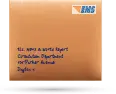
Your order is carefully packed and ships within 24 hours. Here is what a typical package looks like.
Sized like a regular personal letter (approximately 24x11x0.7 cm), with no indication of what is inside.
Front View
Side View
Back View
Delivery Times
Delivery Method
Estimated delivery
Express Free for orders over A$426.74
Estimated delivery to Australia: 4-7 days
Standard Free for orders over A$284.50
Estimated delivery to Australia: 14-21 days
Payment Methods
Discount Coupons
Australia Day - 26 January 2026 10%AUSDAY10
Labour Day - 2 March 2026 6%LABOUR6
ANZAC Day - 25 April 2026 8%ANZAC8
King's Birthday - 8 June 2026 7%KING7
Boxing Day - 26 December 2026 12%BOXING12
Brand Names
Also known as (by country):
Country
Brand Names
Australia
Dalacin C
FAQ
A prescription is required to obtain oral clindamycin from local Australian pharmacies, where it is a Schedule 4 Prescription Only Medicine. Under our store policy, Cleocin 150 mg capsules can be ordered without a prescription and sent by mail.
Take the missed dose when remembered unless it is nearly time for the next scheduled dose. If it is nearly time, skip the missed dose and continue as scheduled; do not take a double dose.
Do not stop an antibiotic course early simply because symptoms improve. Take Cleocin for the duration prescribed, unless the prescriber tells you to stop or a serious adverse effect requires urgent assessment.
Cleocin capsules should be stored at 20°C to 25°C in a tightly closed container, away from excessive moisture and heat. If storage outside this range was prolonged or conditions are unknown, check the package and capsule condition before use and have uncertain product quality assessed.
In Australia, clindamycin is Pregnancy Category A, but it should still be used in pregnancy only when clearly needed, particularly early in pregnancy. Clindamycin passes into breast milk; breastfeeding may be possible when treatment is needed, but the infant should be monitored for diarrhoea, thrush, nappy rash or, rarely, blood in the stool.
Cleocin capsules contain clindamycin, a lincosamide antibiotic used for serious bacterial infections caused by susceptible organisms. These can include certain infections involving the skin and soft tissue, bones and joints, respiratory tract, teeth, abdomen and female reproductive tract; it does not treat viral infections such as colds or flu.
Description
Note:
Images in the description are provided for informational purposes and may differ from the actual appearance of the product. Please refer to the product name, strength, active ingredients, and dosage form.
Cleocin 150 mg capsules and the available choice
Cleocin is a brand-name oral capsule containing 150 mg of clindamycin, a lincosamide antibiotic. We offer one strength and five package quantities: 30, 60, 90, 120 and 180 capsules. Because the strength and dosage form do not vary across these options, the practical comparison is between package quantity and price. The appropriate quantity depends on the dose, frequency and course length specified by the prescriber.
A pack containing more capsules is not automatically more suitable. Antibiotics are prescribed for particular infections and defined treatment periods, so the starting point should be the prescribed number of capsules. Price and unit value can then help distinguish between packages that genuinely fit those directions.
Package sizes and per-capsule value
The comparison below presents our current package prices, per-capsule values and relative savings. It is the place to compare exact figures without confusing the total package price with the cost of each capsule.
Total price and unit value answer different questions. The total shows the immediate cost of a package, while the per-capsule figure makes packages of different sizes easier to compare on a consistent basis. Neither figure determines how many capsules should be taken or how long treatment should continue.
A lower per-capsule figure only represents useful value when the whole quantity is medically appropriate and likely to be used as prescribed. Unneeded capsules should not be purchased simply to reach a lower unit price. They should also not be retained for self-treatment of a later illness, shared with another person or used for symptoms that have not been assessed.
How many capsules do you need?
The package quantity should be compared with the exact directions supplied by the prescriber. Clindamycin dosing varies according to factors such as the infection being treated, its severity, the patient's age and clinical circumstances. The presence of 150 mg capsules in a package does not establish the required number of capsules per dose or per day.
Before comparing packages, identify the following details from the prescription or dispensing directions:
the number of 150 mg capsules to be taken at each scheduled dose;
how often the doses are to be taken;
the prescribed duration of treatment;
whether the prescription includes any authorised repeat; and
whether the person taking the medicine can swallow capsules whole.
Multiplying the prescribed number of capsules per dose by the number of doses per day and the number of treatment days gives the course quantity, but any uncertainty should be checked with the prescriber or pharmacist. Do not alter the prescribed schedule to make it fit a particular package.
Storage also matters when assessing a supplied quantity. Cleocin capsules should be kept at 20°C to 25°C in a tightly closed container, away from excessive moisture and heat. Follow the expiry date and storage directions on the supplied packaging.
Brand and generic context
Cleocin is a brand of clindamycin. A generic clindamycin capsule contains the same active ingredient, but availability, inactive ingredients, packaging and approved product information can differ between products. A pharmacist or prescriber can advise whether a particular brand or generic product is appropriate when substitution is being considered.
Other antibiotics are not generic versions of Cleocin. Medicines such as Keflex and Augmentin contain different active ingredients and have different antibacterial coverage, precautions and dosing requirements. They should not be treated as direct price substitutes for clindamycin.
Our Antibiotics category can help a reader locate a medicine already selected by a prescriber. Browsing that category is not a substitute for clinical assessment because the most suitable antibiotic depends on the infection, likely organism, resistance patterns, allergies and other patient-specific factors.
What are Cleocin capsules used for?
Oral clindamycin is used to treat susceptible bacterial infections when a prescriber considers it appropriate. Its established roles include certain serious infections involving the skin and soft tissues, bones and joints, the respiratory tract and other sites. It may also be selected for some dental infections. The exact role depends on the likely or confirmed bacteria and the patient's clinical circumstances.
Clindamycin does not treat viral illnesses such as colds or influenza. Similar symptoms can also have different causes, so a previous clindamycin prescription does not establish that the medicine is suitable for a new illness. Appropriate antibiotic selection helps treatment while limiting avoidable adverse effects and unnecessary antibiotic exposure.
Cleocin is the branded product in this guide, clindamycin is its active ingredient, capsules are the dosage form and oral is the route. These capsules should not be confused with clindamycin creams, gels, lotions, injections or vaginal preparations, which are different pharmaceutical forms intended for different uses.
Practical use of oral clindamycin
Clindamycin interferes with protein production in susceptible bacteria. This inhibits bacterial growth and, depending on the organism and medicine concentration, supports control of the infection. It is active only against bacteria that are susceptible to it.
Swallow Cleocin capsules by mouth with a full glass of water and follow the directions on the prescription and supplied medicine information. Taking a capsule with plenty of water helps reduce the risk of irritation to the oesophagus. It may be taken with food if advised or if this makes it easier on the stomach, but food does not replace the need to follow the prescribed schedule.
Doses are commonly arranged at evenly spaced times, but the exact timing must come from the prescriber's directions. If a dose is missed, consult the supplied instructions or ask a pharmacist rather than doubling the next dose without advice. Continue for the prescribed duration unless the prescriber tells you to stop or a serious reaction requires urgent medical advice.
Important safety considerations
Clindamycin can cause side effects, and its association with antibiotic-associated colitis makes new or worsening diarrhoea particularly important. Relevant precautions include:
Do not use it after a known hypersensitivity reaction to clindamycin, lincomycin or an ingredient in the capsule.
Seek prompt medical advice for severe, persistent or bloody diarrhoea, abdominal cramping or fever during treatment or after it has finished. Do not self-treat significant diarrhoea with an anti-diarrhoeal medicine unless a clinician advises it.
Seek urgent help for signs of a serious allergic reaction, such as facial swelling, breathing difficulty or a widespread blistering rash.
Tell the prescriber about previous antibiotic-associated colitis, significant bowel disease, liver problems and other relevant medical conditions.
Paediatric clindamycin doses are weight-based. A 150 mg capsule is only suitable when the selected dose is appropriate and the child can safely swallow the capsule whole.
Discuss use during pregnancy or breastfeeding with the prescriber. Clindamycin crosses the placenta and passes into breast milk, so the indication and monitoring needs should be considered.
Interactions to discuss
Tell the prescriber and pharmacist about all prescription medicines, over-the-counter products and complementary medicines. Clindamycin can enhance the effects of neuromuscular blocking medicines used during anaesthesia. Erythromycin is generally not used with clindamycin because the two antibiotics may interfere with each other's action. A complete medicine list is especially important before surgery or a procedure requiring an anaesthetic.
Do you need a prescription in Australia?
Oral clindamycin is a Schedule 4 Prescription Only Medicine in Australia. It requires a valid prescription from an authorised prescriber before it can legally be supplied. This is an Australian regulatory requirement and is separate from any website's administrative steps or ordering interface.
A prescription requirement is not simply a purchasing formality. The prescriber determines whether clindamycin is appropriate, selects the dose and treatment duration, and considers allergy history, interactions and the risk of serious gastrointestinal adverse effects. If directions or the intended quantity are unclear, they should be resolved with the prescriber or pharmacist before treatment.
Ordering and delivery details
Our catalogue displays Cleocin 150 mg capsule options in Australian dollars. We have supported customers since 2010, and our team is available 24/7 by email, online chat and phone. A pharmacist is also available when a medicine-related question requires professional input.
Before placing an order, compare the package quantity with the prescribed course and review the current package comparison. For an Australian delivery address, enter the address and postcode carefully and review the delivery information presented during the ordering process. Available payment, dispatch and delivery details should be confirmed before the order is submitted rather than assumed from the medicine's price.
Check that the selected item is Cleocin 150 mg oral capsules.
Match the package quantity to the prescriber's directions.
Review the total package price as well as the per-capsule value.
Confirm the delivery address and postcode.
Contact our support team if you need help understanding our package or ordering options.
Our support team can explain catalogue information and ordering steps, while dosing changes, treatment duration and the clinical suitability of an antibiotic must be addressed by a prescriber or pharmacist.
A balanced package decision
A practical package choice starts with the prescribed quantity, not the lowest unit figure. Once the required number of 150 mg capsules is clear, the comparison near the beginning of this guide shows how the available 30, 60, 90, 120 and 180-capsule packages differ in total price and per-capsule value.
Check the medicine name, strength, dosage form and route before ordering: Cleocin, 150 mg, capsules and oral use. Then compare only the package options that fit the authorised course. This approach keeps financial value in perspective without encouraging unnecessary antibiotic purchasing, treatment beyond the prescribed duration or the storage of capsules for an unassessed future illness.
MD, infectious diseases specialist and medical writer
Updated 11 August 2026
Customer questions
Q
Asked by Tahlia, Rockhampton, Australia
My parcel arrived in Rockhampton after a very hot day. What should I check before I start the Cleocin capsules?
A
Answered by Support team
Check that the package and capsules are dry, intact and unchanged in appearance, then store them at 20°C to 25°C in a tightly closed container.
Q
Asked by Matilda S, Coffs Harbour, Australia
My Cleocin package arrived in Coffs Harbour with a damaged seal. Can I still take the capsules?
A
Answered by Support team
No - set the medicine aside and do not use it while the seal or package integrity is in doubt. The active ingredient, strength, dosage form, package label, lot number and expiry should be checked before any damaged product is used.
Q
Asked by Mia, Geelong, Australia
I'm in Geelong. Can I check whether Cleocin can be delivered to my postcode before I pay?
A
Answered by Support team
Add your complete delivery address and postcode at checkout. We will show whether delivery is available for that destination before payment.
Q
Asked by Ben, Newcastle, Australia
I work early shifts and usually cannot manage breakfast. Can I take my Cleocin capsule without food?
Yes. Clindamycin capsules can generally be taken with or without food because food does not significantly affect absorption. Swallow each capsule with a full glass of water to reduce the risk of throat or oesophageal irritation.
Product specifications
Active ingredient
Clindamycin
Drug class
Lincosamide antibiotic
Dosage form
Capsules
Available strengths
150 mg
Route
Oral
Storage
Store at 20°C to 25°C in a tightly closed container, away from excessive moisture and heat.
ATC code
J01FF01
Regulatory information
Approval StatusClindamycin is fully authorised for therapeutic human use in Australia.
Prescription ClassificationCapsules containing this active ingredient are classified as Schedule 4 prescription-only medicines and require a valid prescription from an authorised Australian healthcare practitioner.