Norfloxacin is a fluoroquinolone anti-infective medicine. In Australian clinical practice, norfloxacin is used in adults to treat complicated and uncomplicated urinary tract infections and prostatitis caused by susceptible organisms, and to treat uncomplicated gonorrhoea.
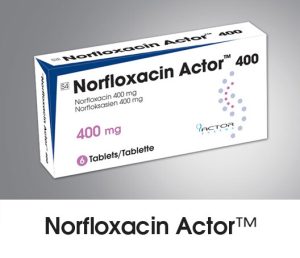
Norfloxacin is available in different forms. In addition to Noroxin 400 mg tablets, it may also be available as 0.3% eye/ear drops.
Uses
Norfloxacin has also been used in adults to treat a range of gastrointestinal (GI) infections caused by susceptible organisms. Because only low serum concentrations of norfloxacin are reached after usual oral doses, its use is generally limited to genitourinary or GI tract infections. Before starting norfloxacin, appropriate samples should be collected to identify the causative organism and in vitro susceptibility testing should be performed.
Norfloxacin may still be started before the test results are available. If the clinical response to norfloxacin is unsatisfactory, additional samples should be obtained and susceptibility testing repeated.
Urinary Tract Infections and Prostatitis
Uncomplicated Urinary Tract Infections
Oral norfloxacin is prescribed for adults with uncomplicated urinary tract infections (UTIs) caused by susceptible bacteria, including Escherichia coli (E. coli) and Klebsiella pneumoniae (K. pneumoniae). Some clinicians recommend reserving norfloxacin for complicated UTIs, particularly those involving multidrug-resistant bacteria, and advise against its use for uncomplicated cases unless first-line treatments are ineffective or not tolerated.
Studies indicate that a 7-10 day course of norfloxacin is as effective as co-trimoxazole, with fewer side effects. Norfloxacin has also shown similar effectiveness to amoxicillin for uncomplicated UTIs. Limited data suggest that a 3-day course may be enough, but more research is needed to assess relapse and recurrence rates.
While norfloxacin can be effective, it is generally not the first choice for uncomplicated UTIs because of concerns about antibiotic resistance and possible side effects. It is mainly considered when other treatments have failed or when resistance has been confirmed.
Complicated Urinary Tract Infections
Oral norfloxacin is used in adults to treat complicated UTIs caused by susceptible E. coli, K. pneumoniae, Proteus mirabilis (P. mirabilis), Pseudomonas aeruginosa (Ps. aeruginosa), Serratia marcescens (S. marcescens), or Enterococcus faecalis (E. faecalis). Oral norfloxacin has generally been effective in adults with chronic bacteriuria or complicated UTIs caused by susceptible organisms, including Ps. aeruginosa. In a limited number of patients, oral norfloxacin appeared to be as effective as parenteral anti-infective treatment for non-bacteraemic, hospital-acquired UTIs. However, further study is needed to compare the relative effectiveness of oral norfloxacin with the parenteral anti-infectives usually used for complicated UTIs. Some clinicians suggest that norfloxacin may be particularly useful for UTIs caused by organisms resistant to other anti-infectives (e.g. beta-lactam antibiotics, aminoglycosides) and for chronic or complicated UTIs when parenteral anti-infective treatment is not warranted.
Prostatitis
Oral norfloxacin is used to treat prostatitis caused by E. coli.
Gonorrhea and Associated Infections
Oral norfloxacin is not generally used in Australia for uncomplicated gonorrhoea in adults, where current practice focuses on recommended first-line treatment such as ceftriaxone, with management guided by Australian STI guidance. Although a single 800-mg dose of norfloxacin has shown activity, its role is limited because of concerns about treatment failure and the spread of fluoroquinolone-resistant Neisseria gonorrhoeae in Australia and internationally.
Australian treatment guidance mainly recommends ceftriaxone for uncomplicated gonorrhoea, while fluoroquinolones such as norfloxacin are generally avoided unless susceptibility is known. Treatment failures with norfloxacin have been reported, and fluoroquinolones are discouraged for infections acquired in places where resistance is established.
While studies suggest that norfloxacin may be as effective as intramuscular (IM) spectinomycin for some strains, its effectiveness in pharyngeal infection remains uncertain. In Australia, treatment decisions for gonorrhoea are guided by current resistance patterns and up-to-date STI recommendations, with ceftriaxone-based treatment preferred and fluoroquinolones used only in limited circumstances.
GI Infections
Norfloxacin has been effective when used in adults to treat gastroenteritis caused by susceptible strains of enterotoxigenic E. coli, Aeromonas hydrophila, Plesiomonas shigelloides, Salmonella, Shigella boydii, Shigella (Sh.) dysenteriae, Sh. flexneri, Sh. sonnei, Vibrio cholerae, or Vibrio (V.) parahaemolyticus. Although some strains of Helicobacter pylori (formerly Campylobacter pylori or C. pyloridis) are susceptible to norfloxacin in vitro, the medicine has been ineffective in eradicating the organism in vivo and has had little effect on gastritis symptoms when used in a limited number of patients with non-ulcer dyspepsia.
Cholera
Norfloxacin has been effective when used in the treatment of cholera. Although tetracyclines are generally the anti-infectives of choice for treating cholera alongside fluid and electrolyte replacement, alternative agents for infections caused by tetracycline-resistant V. cholerae include co-trimoxazole, fluoroquinolones, or furazolidone. In one study in adults with severe cholera and dehydration, norfloxacin was more effective than co-trimoxazole in reducing stool output and shortening the duration of diarrhoea, fluid requirements, and vibrio excretion.
Shigella Infections
Oral norfloxacin is used to treat shigellosis caused by susceptible Shigella. Anti-infective treatment is generally used along with fluid and electrolyte replacement for severe shigellosis, since these medicines appear to shorten the duration of diarrhoea and the period of faecal excretion of Shigella. A fluoroquinolone (e.g. ciprofloxacin, norfloxacin, ofloxacin) or ceftriaxone is considered a drug of choice for treating shigellosis when the susceptibility of the isolate is unknown; azithromycin has also been recommended, and co-trimoxazole or ampicillin may be effective if the strain is known to be susceptible. In one controlled study in adults with acute shigellosis, an 800-mg oral dose of norfloxacin was as effective as 5 days of co-trimoxazole treatment.
Travelers' Diarrhea
Norfloxacin is effective for short-term treatment and prevention of travellers' diarrhoea in adults travelling to high-risk areas, where it is mainly caused by enterotoxigenic E. coli but can also be due to other pathogens such as Shigella and Salmonella. Treatment depends on how severe the illness is. Mild cases may only need oral rehydration, while moderate to severe cases may benefit from anti-infective medicines, which can shorten the illness considerably.
Fluoroquinolones such as norfloxacin, ciprofloxacin, levofloxacin, and ofloxacin are commonly used for treatment. Azithromycin is an alternative for children and pregnant women, especially in regions with high Campylobacter resistance. Co-trimoxazole can also be used, although resistance is a concern.
Australian travel health advice generally does not support the routine preventive use of anti-infectives for most travellers because of resistance concerns and the risk of adverse effects. Although preventive antibiotics have shown benefit in controlled studies, they are usually reserved for selected people at higher risk. Instead, travellers are encouraged to focus on food and water precautions to reduce the chance of developing diarrhoea.
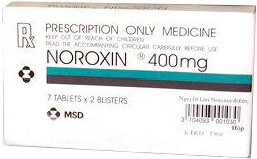
Mechanism of Action
Norfloxacin is usually bactericidal. Like other fluoroquinolone anti-infectives, norfloxacin inhibits deoxyribonucleic acid (DNA) synthesis in susceptible organisms by inhibiting type II DNA topoisomerases (DNA gyrase, topoisomerase IV). In vitro studies, particularly susceptibility testing, indicate that the antibacterial activity of norfloxacin is reduced in the presence of urine, especially acidic urine.
The clinical importance of this in vitro effect has not yet been determined. However, because norfloxacin concentrations reached in urine are usually much higher than the norfloxacin minimum inhibitory concentrations (MICs) for most urinary tract pathogens, the effect is probably not clinically important. Norfloxacin has a spectrum of activity similar to many other fluoroquinolones (e.g. ciprofloxacin, ofloxacin). It is active in vitro against gram-negative aerobic bacteria, including Enterobacteriaceae and Pseudomonas aeruginosa.
The medicine is also active in vitro against many gram-positive aerobic bacteria, including penicillinase-producing, non-penicillinase-producing, and oxacillin-resistant staphylococci (previously known as methicillin-resistant staphylococci). However, many strains of streptococci are relatively resistant to the medicine. Obligately anaerobic bacteria are generally resistant to norfloxacin.
The medicine has some in vitro activity against Chlamydia, Mycoplasma, and some Mycobacterium, but it is inactive against fungi and viruses.
Pharmacokinetics
- Absorption: Norfloxacin is rapidly absorbed from the GI tract, although food can delay absorption. Peak plasma concentrations occur within 1-2 hours after a dose, with 30-50% of the dose absorbed. Antacids containing magnesium or aluminium reduce its bioavailability.
- Distribution: Norfloxacin is widely distributed in body tissues, including the kidneys, liver, and prostatic tissue. Biliary concentrations can be significantly higher than serum levels, and it crosses the placenta. However, it is not detected in breast milk after a 200-mg dose.
- Elimination: The half-life in adults with normal renal function is 2.3-4 hours; this increases with renal impairment. Approximately 30% of a dose is excreted unchanged in the urine within 24-48 hours. Norfloxacin undergoes minimal metabolism, producing less active metabolites.
Norfloxacin is mainly eliminated through the kidneys, and dose adjustments may be needed in patients with impaired renal function.
Administration
Norfloxacin is taken by mouth. It should be taken with a glass of water at least 1 hour before or at least 2 hours after a meal or after consuming milk or other dairy products. People taking norfloxacin should stay well hydrated and drink plenty of fluids. To reduce the chance of interference with GI absorption of norfloxacin, patients should be advised not to take antacids containing magnesium or aluminium, sucralfate, metal cations such as iron or zinc (including multivitamin products containing zinc), or buffered didanosine preparations at the same time as norfloxacin or within 2 hours of a dose.
Dosage
Dosage forms of norfloxacin:
- Co Norfloxacin 400 mg Tablet;
- Novo-Norfloxacin 400 mg Tablet;
- Pms-Norfloxacin 400 mg Tablet;
- Apo-Norflox 400 mg Tablet;
- Noroxin 400 mg tablet.
Because of the risk of crystalluria, the manufacturer recommends that the usual dosage of 400 mg twice daily should not be exceeded in adults with normal renal function.
| Indication |
Dosage |
Duration |
| Complicated urinary tract infections |
400 mg twice daily |
10-21 days |
| Uncomplicated urinary tract infections (E. coli, K. pneumoniae, P. mirabilis) |
400 mg twice daily |
3 days |
| Uncomplicated urinary tract infections (other organisms) |
400 mg twice daily |
7-10 days |
| Acute or chronic prostatitis (E. coli) |
400 mg every 12 hours |
28 days |
| Uncomplicated gonorrhea |
800 mg as a single dose |
Single dose |
| Gastroenteritis |
400 mg twice daily |
5 days |
| Shigellosis or GI infections (E. coli) |
400 mg twice daily |
3 days |
| Severe travellers' diarrhoea |
400 mg twice daily |
Up to 3 days until symptoms resolve |
| Prevention of travellers' diarrhoea |
400 mg once daily |
Up to 3 weeks |
Drug-Drug Interactions
This medicine may interact with some other drugs.
- Antacids. Antacids containing magnesium hydroxide or aluminium hydroxide may reduce the absorption of oral norfloxacin, and the medicines should not be taken at the same time. Patients should be advised not to take antacids at the same time as norfloxacin or within 2 hours of a norfloxacin dose. The mechanism of this interaction has not been fully explained. However, studies using ciprofloxacin indicate that antacids containing magnesium and aluminium ions may bind to quinolones and form insoluble complexes in the GI tract.
- Antifungal agents. Norfloxacin is inactive against fungi when used alone. However, results of some in vitro studies using Candida suggest that the medicine may enhance the antifungal activity of antifungal agents (e.g. amphotericin B, flucytosine, ketoconazole, miconazole, nystatin). However, reports on this interaction are conflicting. In at least one in vitro study, norfloxacin did not affect the antifungal activity of amphotericin B. Further study is needed to assess the antifungal effect when norfloxacin is used with an antifungal agent.
- Aminoglycosides. The antibacterial activities of norfloxacin and aminoglycosides may be additive or partly synergistic in vitro against gram-negative bacteria (e.g. Pseudomonas aeruginosa, Escherichia coli, Klebsiella pneumoniae, Morganella morganii, Proteus). However, synergism between the medicines appears unpredictable, and indifference or antagonism has also been reported when norfloxacin was used with an aminoglycoside against Enterobacteriaceae or Ps. aeruginosa.
- Coumarin anticoagulants. Starting oral norfloxacin in patients stabilised on warfarin has resulted in prolongation of the prothrombin time in several patients and, in at least one patient, use of the medicines together resulted in an increased prothrombin time and fatal pontine haemorrhage. The mechanism of this interaction has not been determined. However, norfloxacin may displace anticoagulants from serum albumin-binding sites. Norfloxacin should be used cautiously in patients receiving a coumarin anticoagulant, and prothrombin time or another appropriate coagulation test should be monitored closely.
- Cyclosporine. Taking cyclosporine and norfloxacin together has increased serum concentrations of cyclosporine. Therefore, the manufacturer recommends monitoring cyclosporine serum concentrations and adjusting the dose as needed in patients taking it with norfloxacin.
- Didanosine. Didanosine chewable/dispersible buffered tablets, buffered powder for oral solution, or paediatric powder for oral solution prepared as a mixture with antacid may interfere with oral absorption of norfloxacin. To reduce the chance of interaction, patients should be advised not to take didanosine preparations at the same time as norfloxacin or within 2 hours of a norfloxacin dose.
- Iron, multivitamins, and mineral supplements. Oral multivitamins and mineral supplements containing divalent or trivalent cations such as iron or zinc may interfere with oral absorption of norfloxacin, resulting in lower serum and urine concentrations of the quinolone. Therefore, these multivitamins and/or mineral supplements should not be taken at the same time as norfloxacin or within 2 hours of a dose.
- Nitrofurantoin. In vitro, nitrofurantoin antagonises the antibacterial activity of norfloxacin. Since antagonism could occur in vivo, norfloxacin and nitrofurantoin should not be used together.
- Other anti-infectives. In vitro, chloramphenicol, rifampin, or tetracycline can inhibit the bactericidal activity of norfloxacin. In one in vitro study, the combination of norfloxacin with chloramphenicol or tetracycline was antagonistic against all Salmonella isolates tested. In an in vitro study using strains of Ps. aeruginosa resistant to aminoglycosides and carbenicillin, the antibacterial activities of imipenem and norfloxacin were synergistic or partly synergistic against about one-third of strains tested and indifferent against about two-thirds; antagonism did not occur. In vitro studies using gram-positive and gram-negative bacteria indicate that neither synergism nor antagonism occurs when norfloxacin is used with a beta-lactam antibiotic (e.g. ampicillin, cefotaxime, cefoxitin).
- Probenecid. Taking probenecid with norfloxacin substantially decreases urinary excretion of norfloxacin, possibly by blocking renal tubular secretion of the anti-infective. However, serum concentrations and the half-life of norfloxacin generally are not affected.
- Sucralfate. Taking sucralfate with norfloxacin may interfere with oral absorption of norfloxacin, resulting in lower serum and urine concentrations of the quinolone, and some clinicians state that taking ofloxacin with sucralfate is not recommended. If ofloxacin and sucralfate must be used together, the manufacturer and some clinicians recommend that sucralfate doses should not be taken at the same time as norfloxacin or within 2 hours of a norfloxacin dose.
- Xanthine derivatives. Taking some quinolones (e.g. ciprofloxacin, norfloxacin) together with theophylline has increased plasma theophylline concentrations and decreased drug clearance. This may increase the risk of theophylline-related side effects. In a limited number of individuals, taking norfloxacin with an extended-release theophylline preparation produced slight increases in serum theophylline concentrations compared with some other quinolone derivatives. In other studies, use of norfloxacin in patients stabilised on theophylline resulted in, at most, an 18% increase in plasma theophylline concentrations and a decrease in theophylline clearance of 5-28%. Some clinicians suggest that the interaction between norfloxacin and theophylline may not be clinically important in most patients. However, theophylline-related side effects have been reported in patients taking norfloxacin at the same time. Therefore, some clinicians suggest that norfloxacin should be used cautiously in patients receiving theophylline. The manufacturer of norfloxacin states that plasma theophylline concentrations should be considered for monitoring, and theophylline dosage should be adjusted as required. Some quinolones (e.g. ciprofloxacin) have also been reported to alter the pharmacokinetics of caffeine, and the possibility of exaggerated or prolonged caffeine effects during concomitant use with a quinolone should be considered.
- Oral contraceptives. Plasma concentrations of oral contraceptive steroids were unchanged by norfloxacin.
Food-Drug Interactions
Norfloxacin has several food-drug interactions that can affect its absorption and effectiveness. In particular, dairy products such as milk and yoghurt should be avoided, as they can reduce the absorption of norfloxacin by about 50% when taken together. Antacids or supplements containing minerals such as calcium, iron, or magnesium should also not be taken within 2 hours of norfloxacin, as they may interfere with its bioavailability.
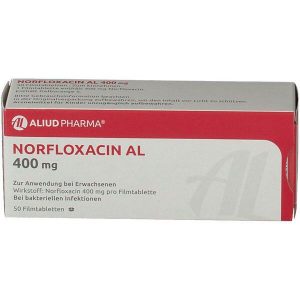
Side Effects
Oral norfloxacin is generally well tolerated at the doses used to treat urinary tract infections, and its side effects are similar to those reported with other quinolone anti-infectives (e.g. ciprofloxacin, ofloxacin).
Norfloxacin is a fluoroquinolone antibacterial medicine with properties similar to ciprofloxacin, although it is less potent in vitro.
Norfloxacin inhibits cytochrome P450 1A2 (CYP1A2) and can therefore enhance the effects of other medicines by reducing their clearance.
Organs and Systems
- Sensory systems: A corneal ulcer associated with deposits of norfloxacin in the right eye has been reported in a 40-year-old man with right trigeminal and facial nerve palsies and reduced tear secretion. He stopped using norfloxacin ophthalmic solution and recovered.
- Psychological, psychiatric. Hallucinations have been reported with norfloxacin.
- Haematologic. Eosinophilia occurred in a 35-year-old man with alcoholic cirrhosis taking norfloxacin 400 mg twice daily (bid) for prophylaxis of spontaneous bacterial peritonitis.
- Gastrointestinal. In a prospective study of women with urinary tract infections treated with pivmecillinam 400 mg bid for 3 days or norfloxacin 400 mg bid for 3 days, 36% of patients treated with pivmecillinam and 39% of those treated with norfloxacin reported side effects. Gastrointestinal symptoms were the most common. Among patients who took norfloxacin, 4.3% developed vaginal candidiasis.
- Liver. Acute hepatitis has been reported with norfloxacin.
- Pancreas. Norfloxacin can cause pancreatitis.
- Urinary tract. Acute interstitial nephritis, probably related to norfloxacin, has been reported.
- Musculoskeletal. Myalgia has been linked to norfloxacin.
Side effects have been reported in about 3.5-10% of patients receiving norfloxacin and have been severe enough to require stopping treatment in 1% or fewer patients.
The most common side effects reported during clinical trials affected the gastrointestinal tract or central nervous system (CNS). However, the side effect most often reported after the medicine became available for general use is rash.
Side effects have occurred in about 7% of patients receiving a single 800-mg oral dose of norfloxacin for the treatment of uncomplicated gonorrhoea. Dizziness, nausea and abdominal cramping were reported most often with this single-dose regimen and occurred in 2-3.5% of patients. In addition, diarrhoea, vomiting, anorexia, constipation, dyspepsia, headache, tingling in the fingers, hyperhidrosis, decreased haemoglobin and haematocrit, and decreased platelet count have been reported. Increased aspartate aminotransferase (AST) (SGOT) concentrations were reported in 1% or fewer patients receiving the single-dose regimen.
GI Effects
Nausea is one of the most common side effects of norfloxacin. It has been reported in about 1-4% of patients taking the medicine. Other gastrointestinal side effects, including abdominal pain, cramping, loose stools, diarrhoea, vomiting, anorexia, dyspepsia, dysphagia, dysgeusia, stomatitis, dry mouth, bitter taste, heartburn, digestive disorders, constipation, flatulence and pruritus ani, have been reported in 1% or fewer patients.
Effects on Fecal Flora
Norfloxacin selectively affects normal bowel flora, reducing gram-negative aerobic bacteria while largely leaving anaerobic and gram-positive flora intact. Normal bacterial counts usually return to baseline within 1-2 weeks after stopping the medicine. Although norfloxacin has limited activity against Clostridium difficile, pseudomembranous colitis has rarely been reported, suggesting that high faecal concentrations of the medicine may protect against this condition. Further research is needed to clarify the relationship between fluoroquinolone use and C. difficile-associated colitis.
Nervous System Effects
Headache has been reported in up to 3% of patients, and dizziness in up to 2% of patients taking norfloxacin. Other nervous system side effects occurring in up to 1% of patients include light-headedness, asthenia, drowsiness, tiredness, depression, insomnia, anxiety, irritability, nervousness, euphoria, confusion or disorientation, abnormal dreams, hallucinations, personality changes, psychotic reactions, ataxia, paraesthesia, and polyneuropathy including Guillain-Barre syndrome. Seizures, myoclonus and tremors have rarely been reported in patients taking norfloxacin. Other severe CNS effects, including increased intracranial pressure and toxic psychoses, have been reported with some other fluoroquinolones (e.g., ciprofloxacin).
Dermatologic and Sensitivity Reactions
Eosinophilia has been seen in up to 1.8% of patients taking norfloxacin, with rash, fever and pruritus reported in up to 1% of cases. Severe hypersensitivity reactions, including anaphylaxis, angioedema and toxic epidermal necrolysis, have occurred, sometimes after the first dose. The manufacturer advises stopping norfloxacin at the first sign of rash or hypersensitivity and giving appropriate treatment for severe reactions. Norfloxacin can also cause photosensitivity, so care is needed with sun exposure during treatment.
Genitourinary Effects
Increased serum creatinine and blood urea nitrogen (BUN) concentrations have rarely been reported in patients taking norfloxacin, along with cases of interstitial nephritis and renal failure. Although a direct causal link has not been firmly established, acute renal failure was noted in an older patient. Crystalluria can occur with higher doses (800-1600 mg) and urine pH levels between 6.5-7.8. However, it has not been associated with renal toxicity in humans. Patients are advised to avoid excessive dosing and maintain adequate fluid intake to reduce the risk of crystalluria.
Musculoskeletal Effects
Achilles, shoulder and hand tendon ruptures requiring surgical repair or causing prolonged disability have been reported in patients taking fluoroquinolones, including norfloxacin. Patients who develop tendon pain, inflammation or rupture should stop the medicine immediately. Fluoroquinolones may also worsen myasthenia gravis, leading to severe respiratory muscle weakness. Although tendonitis and tendon rupture are rare, they can occur within days to months of starting treatment, particularly in older adults or people taking corticosteroids. Animal studies indicate that fluoroquinolones can cause cartilage erosion and joint problems, raising concerns about their use in humans and immature animals.
Hepatobiliary Effects
Hepatitis, jaundice (including cholestatic jaundice), and increased serum concentrations of AST (SGOT), alanine aminotransferase (ALT) (SGPT), and alkaline phosphatase have been reported in less than 2% of patients receiving norfloxacin. Increased serum lactate dehydrogenase (LDH) concentrations have been reported rarely.
Hematologic Effects
Decreased leukocyte or neutrophil counts have been reported in about 2% of patients receiving norfloxacin; thrombocytopenia has also been reported. In one patient, there was some evidence that leukopenia resulted from an immunologic rather than a toxic mechanism. Decreased haemoglobin concentration, decreased haematocrit and haemolytic anaemia have occurred rarely. Prolongation of prothrombin time occurred in at least one patient receiving norfloxacin.
Other Adverse Effects
Back pain, hyperhidrosis and symptomatic hypoglycaemia have been reported in patients receiving norfloxacin. Tinnitus and transient hearing loss have also rarely been reported in patients taking the medicine. Diplopia and weakness have been reported. Although other visual disturbances have been reported with some fluoroquinolones (e.g., ciprofloxacin), these side effects have not been reported with norfloxacin, and there has been no evidence of ocular toxicity in animal studies using the medicine.
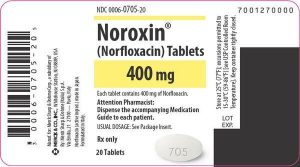
Precautions and Contraindications
Norfloxacin is contraindicated in patients with a history of hypersensitivity to the drug or other quinolones, as it can cause severe hypersensitivity reactions, sometimes after the first dose. Patients should be told to stop the medicine and contact their doctor at the first sign of a rash or any symptoms of hypersensitivity.
Crystalluria may occur, particularly with high doses, so patients should keep up adequate fluid intake and avoid exceeding the recommended dose. Caution is advised in people with CNS disorders, as norfloxacin may worsen conditions such as seizures and myasthenia gravis. Patients should also be aware that it may cause dizziness or light-headedness. Excessive sun exposure should be avoided because of the risk of phototoxicity.
Pediatric Precautions
Because norfloxacin causes arthropathy in immature animals, the manufacturer states that the medicine should not be used in children or adolescents younger than 18. Some clinicians state that it may be used cautiously in adolescents if skeletal growth is complete. The American Academy of Pediatrics (AAP) states that the use of fluoroquinolones (e.g., ciprofloxacin, levofloxacin, lomefloxacin, norfloxacin, ofloxacin, sparfloxacin) in children younger than 18 years may be justified in particular circumstances. However, these medicines should only be used after careful assessment of the risks and benefits for the individual patient and after these have been explained to the parents or caregivers.
The AAP states that fluoroquinolones may be helpful when no other oral option is available (to avoid the use of an injectable medicine) or when the child has an infection caused by multidrug-resistant gram-negative bacteria, such as certain strains of Pseudomonas or Mycobacterium. Possible uses of fluoroquinolones in paediatric patients therefore include the treatment of urinary tract infections caused by P. aeruginosa or other multidrug-resistant gram-negative bacteria, chronic suppurative otitis media, malignant otitis externa, chronic osteomyelitis, exacerbation of cystic fibrosis, mycobacterial infection, or other gram-negative bacterial infections in immunocompromised patients when prolonged oral treatment is desired.
A single oral dose of norfloxacin at six times the usual human dose caused lameness in immature dogs. Histological examination of the weight-bearing joints in these dogs revealed permanent cartilage lesions. Most other quinolones (for example, ciprofloxacin and ofloxacin) have also been shown to cause cartilage erosions in weight-bearing joints and other signs of arthropathy in immature animals of various species.
Mutagenicity and Carcinogenicity
Norfloxacin was not mutagenic in the dominant lethal test in mice. It did not cause chromosomal aberrations in hamsters or rats receiving doses 30-60 times the usual human dose. In vitro studies using microbial (i.e., Ames test) or mammalian (i.e., Chinese hamster fibroblasts, V-79 mammalian cell assay) cell systems have not shown norfloxacin to be mutagenic. Although norfloxacin was weakly positive in the Rec-assay for DNA repair, other mutagenicity assays, including more sensitive tests such as the V-79 mammalian cell assay, did not show evidence of mutagenicity. Results from the hepatocyte DNA repair assay have been equivocal. There was no evidence of carcinogenicity in rats receiving norfloxacin for 19 months, and there was no increase in neoplastic changes in rats receiving norfloxacin doses 8-9 times the usual human dose for up to 96 weeks.
Pregnancy, Fertility and Lactation
Norfloxacin is contraindicated in pregnant and breastfeeding women due to potential risks, including embryotoxicity seen in animal studies. It caused embryonic loss in cynomolgus monkeys at high doses and has been associated with slight maternal toxicity. Although no teratogenic effects were seen in various animal species at lower doses, the medicine can cross the placenta. It may also be excreted in breast milk, raising concerns for breastfed infants. Given these risks and the availability of safer alternatives, norfloxacin should generally be avoided during pregnancy and breastfeeding.
Acute Toxicity
Limited information is available on the acute toxicity of norfloxacin. The oral median lethal dose (LD50) of the medicine is greater than 4 g/kg in mice and rats. If acute overdose of norfloxacin occurs, the stomach should be emptied by inducing emesis or gastric lavage.
Supportive and symptomatic treatment should be started, and the patient should be monitored. Adequate hydration must be maintained to minimise the risk of crystalluria.