Overview
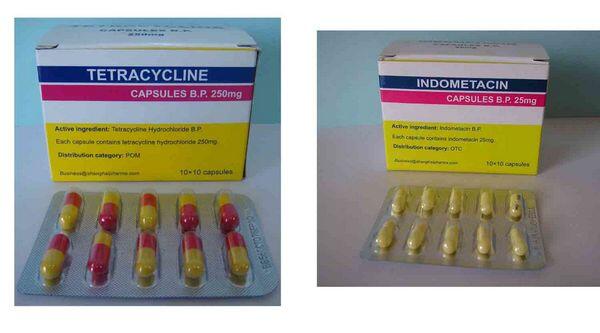
Tetracycline hydrochloride (Sumycin) is a tetracycline antibiotic. In our catalogue, it is available as oral tablets in 250 mg and 500 mg strengths. In Australia, use only as directed by a licensed clinician, and complete the full course unless your prescriber tells you to stop.
Uses and Administration
Tetracyclines are bacteriostatic antibiotics with a broad spectrum of activity and have been used to treat a wide range of infections caused by susceptible organisms. With the rise of bacterial resistance and the development of other antibiotics, their use has become more limited. In Australian clinical practice, their use is generally guided by current prescribing recommendations and local resistance patterns.
Administration and dosage
For systemic infections, tetracyclines are usually taken by mouth. They should be taken with plenty of fluid while sitting or standing, and well before going to bed, to reduce the risk of oesophageal ulceration.
Tetracycline (anhydrous) 231 mg is equivalent to about 250 mg of tetracycline hydrochloride. The usual adult oral dose of tetracycline hydrochloride is 250 mg or 500 mg every 6 hours, preferably 1 hour before or 2 hours after meals.
Administration in children
In Australia, tetracycline may be given to children over 8 years old at usual oral doses of 25 to 50 mg/kg/day in 4 divided doses.
Interactions
Absorption of tetracyclines is reduced by divalent and trivalent cations such as aluminium, bismuth, calcium, iron, magnesium and zinc. Because of this, taking tetracyclines with antacids, iron supplements, some foods such as milk and dairy products, or other products containing these cations, whether as active ingredients or excipients, may lead to subtherapeutic serum concentrations of the antibiotic.
Sodium bicarbonate, colestipol, colestyramine and kaolin-pectin have also been reported to reduce tetracycline absorption, but any reduction caused by cimetidine or sucralfate is probably of little clinical importance. These interactions can be minimised by taking these products at least 1 to 3 hours apart from tetracyclines. Strontium ranelate should not be taken with tetracyclines because of possible complex formation.
The nephrotoxic effects of tetracyclines may be worsened by diuretics, methoxyflurane or other potentially nephrotoxic drugs. Potentially hepatotoxic drugs should be used with caution in patients taking tetracyclines. An increased incidence of benign intracranial hypertension has been reported when retinoids and tetracyclines are used together, so this combination should be avoided.
Tetracyclines have been reported to increase concentrations of lithium, digoxin, halofantrine and theophylline, although these interactions are not strongly established. The effects of oral anticoagulants have also increased in a few patients. There have been occasional reports of tetracyclines increasing the toxic effects of ergot alkaloids and methotrexate. Tetracyclines may lower plasma atovaquone concentrations.
Eye inflammation has occurred after the use of ocular preparations preserved with thiomersal in some patients taking tetracyclines. Tetracyclines may reduce the effectiveness of oral contraceptives. Because tetracyclines are mainly bacteriostatic, they may interfere with the action of penicillins, so it has been recommended that the two types of drug should not be used together, especially when a rapid bactericidal effect is needed.
Precautions
Tetracyclines are contraindicated in patients who are hypersensitive to any antibiotic in this group, as cross-sensitivity may occur. Tetracyclines should not be used during pregnancy because of the risk of hepatotoxicity in the mother as well as effects on the developing fetus.
They should also be avoided while breast feeding and in children up to the age of 8 or, according to the BNF, 12 years. Use in pregnancy, possibly during breast feeding, or in childhood may result in impaired bone growth and permanent discolouration of the child's teeth. In general, tetracyclines, except doxycycline, should be used with caution in people with renal impairment and, if they must be given, doses should be reduced. However, the BNF advises avoiding tetracyclines, except doxycycline and minocycline, even in mild impairment.
Care should also be taken if tetracyclines are given to patients with hepatic impairment, and high doses should be avoided. Patients who may be exposed to direct sunlight should be warned about the risk of photosensitivity.
Caution is advised in patients with myasthenia gravis, who may be at risk of neuromuscular blockade. Tetracyclines should be avoided in those with SLE. Serum monitoring of tetracyclines may be helpful in patients with risk factors who need prolonged therapy: it has been suggested that serum concentrations of tetracycline should not exceed 15 micrograms/mL.
To reduce the risk of oesophageal ulceration, oral tetracyclines, especially doxycycline, should be taken with plenty of fluid while sitting or standing, and well before going to bed. Tetracycline may interfere with some diagnostic tests, including the measurement of urinary catecholamines or glucose.
Breast feeding
Australian product information states that, after tetracycline is used by breast-feeding mothers, exposure in the infant is expected to be low. However, it also warns that side effects including permanent tooth discolouration and enamel hypoplasia may occur in breast-fed infants, and that breast feeding is contraindicated during treatment with tetracyclines.
Porphyria
Tetracyclines are considered probably safe in patients with porphyria, although there is conflicting experimental evidence of porphyrinogenicity. Doxycycline has been linked with acute attacks of porphyria and is considered unsafe in porphyric patients, and results from animals or in-vitro systems suggest that oxytetracycline might be porphyrinogenic.
Adverse Effects
The side effects of tetracycline are common to all tetracyclines. Gastrointestinal effects, including nausea, vomiting and diarrhoea, are common, especially with high doses, and most are thought to be due to irritation of the mucosa. Oesophageal ulceration has been reported with doxycycline, minocycline and tetracycline, particularly after swallowing capsules or tablets with too little water at bedtime.
Other reported effects include glossitis, stomatitis and dysphagia.
Oral candidiasis, vulvovaginitis and pruritus ani occur mainly due to overgrowth of Candida albicans, and there may also be overgrowth of resistant coliform organisms, such as Pseudomonas spp. and Proteus spp., causing diarrhoea. More seriously, enterocolitis due to superinfection with resistant staphylococci and pseudomembranous colitis due to Clostridium difficile have occasionally been reported. It has been suggested that disturbances in the intestinal flora are more common with tetracycline than with better-absorbed derivatives such as doxycycline.
Renal dysfunction has been reported with tetracyclines, particularly worsening of kidney problems in people with pre-existing renal impairment. Usual therapeutic doses given to patients with renal impairment increase the severity of uraemia with increased excretion of nitrogen and loss of sodium, accompanied by acidosis and hyperphosphataemia, and may lead to excessive systemic accumulation of tetracycline and possible liver toxicity.
These effects are related to the dose and the severity of renal impairment and are probably due to the anti-anabolic effects of tetracyclines. Acute renal failure and interstitial nephritis have occurred rarely. Increases in liver enzyme values have been reported with tetracyclines. In some cases, severe and sometimes fatal hepatotoxicity, associated with fatty changes in the liver and pancreatitis, has occurred in pregnant women and in patients with renal impairment or those given high doses.
However, hepatotoxicity has also occurred in patients without these predisposing factors, but it is rarely reported with doxycycline. Tetracyclines are deposited in both deciduous teeth (milk teeth; primary teeth) and permanent teeth during their formation, causing permanent discolouration and enamel hypoplasia. The darkening effect of tetracyclines on permanent teeth appears to be related to the total dose given.
Doxycycline binds less to calcium than other tetracyclines, and these changes may occur less often.
Tetracyclines are also deposited in calcifying areas in bone and nails and interfere with bone growth when given in therapeutic doses to young infants or pregnant women.
Nail discolouration and onycholysis may occur. Abnormal pigmentation of the skin, conjunctiva, oral mucosa, tongue and internal organs such as the thyroid has occurred rarely. Permanent discolouration of the cornea has been reported in infants born to mothers given tetracycline in high doses during pregnancy. Intracranial hypertension with headache, dizziness, tinnitus, visual disturbances and papilloedema has been reported. The use of tetracyclines in infants has been associated with a bulging fontanelle. If raised intracranial pressure occurs, tetracycline treatment should be stopped. Temporary myopia in patients taking tetracyclines may be due to changes in the refractive power of the lens.
Other side effects that have occasionally been reported with tetracyclines include increased muscle weakness in patients with myasthenia gravis and worsening of SLE. Hypersensitivity to tetracyclines is much less common than to beta lactams, but hypersensitivity reactions, including rashes, fixed drug eruptions, exfoliative dermatitis, toxic epidermal necrolysis, drug fever, pericarditis, angioedema, urticaria and asthma, have been reported; anaphylaxis has occurred very rarely.
Photosensitivity, which has been reported with most tetracyclines, occurs most often with demeclocycline and other long-acting derivatives, less often with chlortetracycline, and very rarely with oxytetracycline and tetracycline. It appears to be phototoxic rather than photoallergic in nature. Paraesthesia may be an early sign of impending phototoxicity. Local pain and irritation can occur when tetracyclines are given parenterally, and thrombophlebitis may follow intravenous injections.
A Jarisch-Herxheimer reaction commonly occurs in patients with relapsing fever treated with tetracyclines. Although rare, agranulocytosis, aplastic anaemia, haemolytic anaemia, eosinophilia, neutropenia and thrombocytopenia have been reported. Tetracyclines may cause hypoprothrombinaemia.
They have also been linked with reductions in serum vitamin B concentrations, including a case of folate deficiency with accompanying megaloblastic anaemia. The use of tetracyclines that are out of date or have deteriorated has been associated with the development of a reversible Fanconi-type syndrome characterised by polyuria and polydipsia with nausea, glycosuria, aminoaciduria, hyperphosphaturia, hypokalaemia and hyperuricaemia with acidosis and proteinuria. These effects have been attributed to the presence of degradation products, in particular anhydroepitetracycline.
Effects on intracranial pressure
Benign intracranial hypertension (pseudotumour cerebri) has been described in patients given tetracyclines. Tetracycline is most commonly implicated, usually in patients being treated for acne; it has also been associated with doxycycline and minocycline.
Presenting symptoms such as headaches, tinnitus, visual loss, diplopia, nausea and vomiting usually develop anywhere from within 2 weeks to 1 year or more after starting a tetracycline. Most cases resolved when the drug was stopped, although some required symptomatic treatment with diuretics, including acetazolamide, corticosteroids and/or lumbar puncture. Nevertheless, permanent visual loss has been reported.
Mechanism of action
Tetracyclines are taken up into susceptible bacterial cells by an active transport process. Once inside the cell, they bind reversibly to the 30S subunit of the ribosome, preventing the binding of aminoacyl transfer RNA and inhibiting protein synthesis, and therefore cell growth. Although tetracyclines also inhibit protein synthesis in mammalian cells, they are not actively taken up, allowing selective activity against the infecting organism.
Antimicrobial Action
Tetracyclines are mainly bacteriostatic, with a broad spectrum of antimicrobial activity including Chlamydiaceae, Mycoplasma spp., Rickettsia spp., spirochaetes, many aerobic and anaerobic Gram-positive and Gram-negative pathogenic bacteria, and some protozoa.
Spectrum of activity
The following pathogenic organisms are usually sensitive to tetracyclines: Gram-positive cocci, including some strains of Staphylococcus aureus and coagulase-negative staphylococci, and streptococci including Str. pneumoniae, Str. pyogenes (group A), and some viridans streptococci. Enterococci are essentially resistant.
Other sensitive Gram-positive bacteria include strains of Actinomyces israelii, Bacillus anthracis, Erysipelothrix rhusiopathiae, Listeria monocytogenes, and among the anaerobes some Clostridium spp. Nocardia spp. are generally much less susceptible, although some are sensitive to minocycline. Propionibacterium acnes is susceptible, although the action of tetracyclines in acne is complex and benefit may be seen even at subinhibitory concentrations.
Gram-negative cocci include Neisseria meningitidis (meningococci) and N. gonorrhoeae (gonococci), although some strains are resistant, and Moraxella catarrhalis (Branhamella catarrhalis). Acinetobacter spp. may be resistant to tetracycline, but most strains are susceptible to doxycycline and minocycline.
Other sensitive Gram-negative aerobes include Bordetella pertussis, Brucella spp., Klebsiella granulomatis, Campylobacter spp., Eikenella corrodens, Francisella tularensis, Haemophilus influenzae and some strains of H. ducreyi, Legionella spp., Pasteurella multocida, Streptobacillus moniliformis, and various members of the Vibrionaceae including Aeromonas hydrophila, Plesiomonas shigelloides, Vibrio cholerae and V. parahaemolyticus.
Although many of the Enterobacteriaceae, including Salmonella, Shigella, and Yersinia spp., are susceptible, resistant strains are common. Proteus and Providencia spp. are not susceptible. Pseudomonas aeruginosa is also not susceptible, although some other species formerly classified as Pseudomonas do respond, including Burkholderia mallei, B. pseudomallei, and Stenotrophomonas maltophilia (Xanthomonas maltophilia).
Among the Gram-negative anaerobes, Bacteroides fragilis may sometimes be susceptible, although wild strains are often resistant, and Fusobacterium may also be sensitive. Other organisms usually sensitive to tetracyclines include Helicobacter pylori, Chlamydiaceae, Rickettsia and Coxiella spp., many spirochaetes including Borrelia burgdorferi, Leptospira spp., and Treponema pallidum, atypical mycobacteria such as Mycobacterium marinum, and mycoplasmas including Mycoplasma pneumoniae and Ureaplasma urealyticum. In addition, tetracyclines are active against some protozoa including Plasmodium falciparum and Entamoeba histolytica. Fungi, yeasts and viruses are generally resistant.
Resistance
Resistance to tetracyclines is usually plasmid-mediated and transferable. It is often inducible and appears to be associated with the ability to prevent accumulation of the antibiotic within the bacterial cell, both by reducing active transport of the drug into the cell and by increasing tetracycline efflux. Given the widespread use of tetracyclines, including as components of animal feeds, although this is now banned in some countries, resistant strains of most previously sensitive species have now been reported.
Resistance has increased particularly among Enterobacteriaceae such as Escherichia coli, Enterobacter, Salmonella and Shigella spp., especially in hospital isolates, and multiple resistance is common.
Staphylococci are commonly resistant, although doxycycline or minocycline are occasionally effective against tetracycline-resistant strains. Resistance is now also common among group A streptococci, and even more so among group B streptococci. There is also resistance among pneumococci, which often show multiple drug resistance.
Pharmacokinetics
Most tetracyclines are incompletely absorbed from the gastrointestinal tract, with about 60 to 80% of a dose usually available. Absorption is reduced by the presence of divalent and trivalent metal ions and also certain drugs, with which tetracyclines form stable insoluble complexes, and to a variable degree by milk or food (see Interactions above). However, the more lipophilic derivatives doxycycline and minocycline are almost completely absorbed, at more than 90%, and are little affected by food. Formulation with phosphate may improve the absorption of tetracycline.
Tetracycline 500 mg taken orally every 6 hours generally produces steady-state plasma concentrations of 4 to 5 micrograms/mL, whereas with doxycycline a dose of 200 mg is sufficient to produce peak concentrations of about 3 micrograms/mL.
Peak plasma concentrations occur about 1 to 3 hours after oral use.
Stability and compatibility (professional information)
Tetracycline undergoes reversible epimerisation in solution to the less active 4-epitetracycline; the degree of epimerisation depends on pH. Intravenous solutions of tetracycline hydrochloride with a pH between 3 and 5 have been reported to be stable for 6 hours, but to lose about 8 to 12% of their potency in 24 hours at room temperature. In contrast, suspensions of tetracycline hydrochloride with a pH between 4 and 7 are stable for at least 3 months.
The stability of solid dosage forms and powder at various temperatures and humidities has also been studied. Tetracycline hydrochloride was fairly stable when stored at 37°C / 98.6°F and 66% humidity for 2 months, with about a 10% loss of potency, but the phosphate was rather less stable, with potency losses of 25 to 40% and the formation of potentially toxic degradation products.
Other routes
Although topical application carries a risk of sensitisation and may contribute to the development of resistance, tetracycline hydrochloride has been used as a 3% ointment; a 0.2% solution has been used for acne, but systemic treatment appears to produce better results. A 1% eye ointment or eye drops have been used in the treatment of ocular infections due to susceptible organisms.
For the treatment of pleural effusions, 500 mg of tetracycline hydrochloride has been dissolved in 30 to 50 mL of sodium chloride 0.9% and instilled into the pleural space.
Skin disorders
Acne treatment notes
Tetracycline antibiotics may be used in acne for their antibacterial and anti-inflammatory effects against Cutibacterium acnes (formerly Propionibacterium acnes).
Topical antibiotics are usually not used on their own because this can increase antibiotic resistance. They are typically combined with benzoyl peroxide, and often a topical retinoid, especially for inflammatory acne.
For moderate to severe inflammatory acne, an oral tetracycline antibiotic, commonly doxycycline or minocycline, may be prescribed in Australian practice as part of a combination regimen rather than on its own.
Oral antibiotics are generally used for the shortest time possible. A common target is about 3 to 4 months with regular reassessment. After improvement, ongoing control is usually maintained with non-antibiotic topical therapy, for example a retinoid with or without benzoyl peroxide, rather than continuing antibiotics long term.
Storage
Store below 25°C. Keep in a tightly closed, light-resistant container with a child-resistant closure, if supplied.