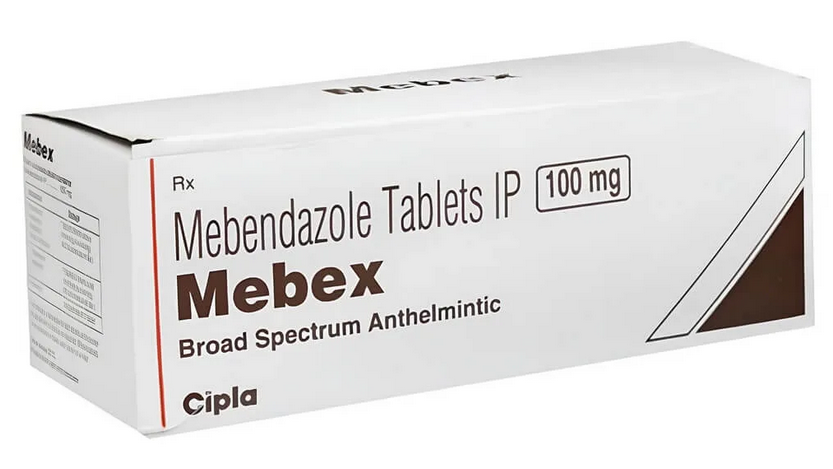
Mebendazole is a synthetic anthelmintic medicine that is structurally related to albendazole and thiabendazole.
Note: Depending on the market, mebendazole is also available in other dosage forms, including chewable tablets and an oral suspension (syrup).
Uses
Its broad spectrum of activity makes it useful for treating mixed helminth infections. Mebendazole has produced egg reduction rates and/or cure rates of more than 90% in patients with enterobiasis, ascariasis, or hookworm infection caused by A. duodenale or N. americanus, and has produced egg reduction rates of more than 90% and cure rates of about 70% in patients with trichuriasis.
How well mebendazole works in helminth infections varies depending on factors such as pre-existing diarrhoea, GI transit time, the degree of infection, and the helminth strain. Cure rates are usually lower than average in patients with heavy infections and in those with increased GI motility.
Although other anthelmintics (for example, praziquantel and albendazole) are usually recommended for infections caused by cestodes (tapeworms), mebendazole has been used to treat intestinal infections caused by the adult forms of certain tapeworms, including Hymenolepis nana (dwarf tapeworm), Taenia saginata (beef tapeworm), and T. solium (pork tapeworm), as well as hydatid disease caused by the larval form of Echinococcus granulosus (dog tapeworm).
Nematode (Roundworm) Infections
Ascariasis
Mebendazole is used to treat ascariasis caused by Ascaris lumbricoides. Albendazole, mebendazole, or pyrantel pamoate are considered the medicines of choice for treating ascariasis.
Enterobiasis
Mebendazole is used to treat enterobiasis caused by Enterobius vermicularis (pinworm). Albendazole, mebendazole, or pyrantel pamoate are considered the medicines of choice for treating enterobiasis.
Filariasis
Mebendazole or albendazole are considered the medicines of choice for treating filariasis caused by Mansonella perstans. Mebendazole has also been used to treat onchocerciasis (filariasis caused by Onchocerca volvulus), but ivermectin is usually considered the medicine of choice for this infection. Other anthelmintics are recommended for infections caused by most other filarial worms, usually diethylcarbamazine where it is available through specialist or hospital access arrangements.
Hookworm Infections
Mebendazole is used to treat intestinal hookworm infections caused by Ancylostoma duodenale or Necator americanus, whether the infection is single or mixed. Albendazole, mebendazole, or pyrantel pamoate are considered the medicines of choice for intestinal hookworm infections. Mebendazole has also been used to treat cutaneous larva migrans (creeping eruption) caused by dog and cat hookworms. However, cutaneous larva migrans is usually self-limiting and often clears on its own after several weeks or months, and other medicines (albendazole, ivermectin, thiabendazole) are usually recommended if treatment is needed. Mebendazole, albendazole, or pyrantel pamoate are considered medicines of choice for eosinophilic enterocolitis caused by Ancylostoma caninum (dog hookworm).
Toxocariasis (Visceral Larva Migrans)
Mebendazole is used to treat toxocariasis (visceral larva migrans) caused by Toxocara canis or T. cati (dog and cat roundworms), and albendazole or mebendazole are considered the medicines of choice for these infections. In severe cases with cardiac, ocular, or CNS involvement, corticosteroids may also be needed. Treatment may not be effective in ocular larva migrans; corticosteroid injections may reduce inflammation, and surgery may be needed for secondary damage.
Trichinosis
Mebendazole is used to treat trichinosis caused by Trichinella spiralis. Although some clinicians consider albendazole and mebendazole equally effective for trichinosis, others consider mebendazole the medicine of choice and albendazole the alternative, particularly during the tissue phase of the illness. Corticosteroids are usually recommended as well as the anthelmintic, especially when symptoms are severe. They help relieve symptoms of the inflammatory reaction and can be lifesaving when the heart or CNS is involved.
Trichuriasis
Mebendazole is used to treat trichuriasis caused by Trichuris trichiura (whipworm). It is considered a medicine of choice for treating trichuriasis.
Other Nematode Infections
Mebendazole used together with corticosteroids appeared to shorten the course of infection, but not the number of relapses, in several patients with eosinophilic meningitis caused by Angiostrongylus cantonensis. No medicine has been shown to be effective for this infection, and some patients have worsened when treated with albendazole, mebendazole, thiabendazole, or ivermectin. Mebendazole has been used in animals to treat angiostrongyliasis caused by A. costaricensis or A. malaysiensis.
Mebendazole is considered the medicine of choice and albendazole is considered an alternative for treating capillariasis caused by Capillaria philippinensis. Although metronidazole is generally considered the medicine of choice for infections caused by Dracunculus medinensis (guinea worm), because it has been shown to reduce inflammation and make removal of the worm easier, mebendazole (400-800 mg daily for 6 days) has been reported to kill the worm directly. Mebendazole is also used to treat infections caused by Trichostrongylus. Pyrantel pamoate is considered the medicine of choice, and albendazole or mebendazole are alternatives for treating Trichostrongylus infections. Mebendazole is considered a medicine of choice for the treatment of trichuriasis caused by Trichuris trichiura (whipworm).
Cestode (Tapeworm) Infections
Mebendazole has been used to treat intestinal infections caused by the adult forms of certain tapeworms, including Hymenolepis nana (dwarf tapeworm), Taenia saginata (beef tapeworm), and T. solium (pork tapeworm). However, other anthelmintics, usually praziquantel, are recommended for intestinal infections caused by the adult forms of these cestodes.
Mebendazole has been effective in a limited number of patients for treating hydatid disease caused by the larval form of Echinococcus granulosus (dog tapeworm). The manufacturers state that there is no evidence that mebendazole, even at high doses, is effective for treating hydatid disease. Surgery is considered the treatment of choice for hydatid disease when medically feasible, but giving an anthelmintic medicine around the time of surgery may be indicated in patients having cysts removed to reduce the risk of spreading daughter cysts during the operation. Mebendazole has been used to treat alveolar hydatid disease caused by E. multiocularis in a very limited number of patients; however, surgical removal of the larval mass is the recommended and only reliable treatment for these infections. Continuous albendazole or mebendazole therapy has reportedly been associated with clinical improvement in non-resectable cases.
Giardiasis
Although metronidazole is generally the medicine of choice for giardiasis caused by Giardia lamblia, mebendazole has been used to treat giardiasis in a limited number of adolescents and children.
Quick comparison: mebendazole vs alternatives
Mebendazole
Human Baseline
Common use
Intestinal ("gut") helminths.
Typical pattern
Often short courses; depends on the parasite.
Notes
Use should match the confirmed diagnosis.
Albendazole
Human Broader coverage
Common use
Broader helminth coverage; often used when tissue involvement is a concern.
Typical pattern
Single dose or multi-day; depends on the indication.
Notes
Longer treatment courses may require monitoring.
Ivermectin
Human Different target
Common use
Certain nematodes plus some ectoparasites (diagnosis-specific).
Typical pattern
Often a single dose or repeated dosing depending on the indication.
Notes
Not interchangeable; parasite coverage differs.
Fenbendazole
Veterinary only Animals
Common use
Deworming in pets and livestock (veterinary protocols).
Typical pattern
Varies by animal species and product.
Notes
Not intended for human use; do not substitute it for human treatment.
Tip: choice depends on the parasite diagnosed, patient factors, and local clinical guidance.
Dosage and Administration
Mebendazole is used to treat a range of nematode (roundworm) infections, including trichuriasis (whipworm infection) caused by Trichuris trichiura, enterobiasis (pinworm infection) caused by Enterobius vermicularis, ascariasis (roundworm infection) caused by Ascaris lumbricoides, and hookworm infections caused by Ancylostoma duodenale, Necator americanus, or Ancylostoma caninum.
Pet owners: Mebendazole is also used in some animals under veterinary prescription for certain intestinal worm infections. However, this product page describes human-use mebendazole. Do not give human antiparasitic medicines to pets without a veterinarian's advice, as species-specific products and dosing differ.
Administration
Mebendazole is taken by mouth. The tablets may be chewed, swallowed whole, or crushed and mixed with food. Special diets, fasting, or purging before taking the medicine are not necessary. Patients should be advised about hygiene measures to help reduce reinfection, such as wearing shoes, washing hands with soap and cleaning under fingernails often during the day (especially before eating and after using the toilet), and washing all fruit and vegetables thoroughly before eating them.
Dosage
The dosage is the same for adults and children. The manufacturer states that if the patient is not cured 3 weeks after mebendazole treatment, a second course is advised.
Nematode (Roundworm) Infections: Ascariasis
For the treatment of ascariasis caused by Ascaris lumbricoides (including mixed helminth infections) in adults and paediatric patients, the usual dosage of mebendazole is 100 mg twice daily for 3 consecutive days. Alternatively, some clinicians suggest that a single 500-mg dose of mebendazole can be used for adults and paediatric patients.
Enterobiasis
For the treatment of enterobiasis caused by Enterobius vermicularis (pinworm) in adults and paediatric patients, the usual dose of mebendazole is 100 mg as a single dose. In addition, some clinicians recommend that adults and paediatric patients receive a second 100-mg dose 2 weeks later. The manufacturer states that if the patient is not cured within 3 weeks after the initial dose, a second dose should be given.
Filariasis
For the treatment of filariasis caused by Mansonella perstans, some clinicians recommend that adults and paediatric patients receive mebendazole 100 mg twice daily for 30 days. For the treatment of onchocerciasis (filariasis caused by Onchocerca volvulus) in adults, a dosage of 1 g twice daily for 28 days has been suggested.
Hookworm Infections
For the treatment of intestinal hookworm infections caused by Ancylostoma duodenale or Necator americanus, or for eosinophilic enterocolitis caused by Ancylostoma caninum (dog hookworm), the usual dosage of mebendazole for adults and paediatric patients is 100 mg twice daily for 3 consecutive days. Alternatively, some clinicians suggest that adults and paediatric patients can receive a single 500-mg dose of mebendazole for hookworm infections caused by A. duodenale or N. americanus.
Toxocariasis (Visceral Larva Migrans)
For the treatment of toxocariasis (visceral larva migrans) caused by dog and cat roundworms, some clinicians recommend that adults and paediatric patients receive mebendazole 100-200 mg twice daily for 5 days. However, the best duration of treatment is not known, and some clinicians recommend continuing treatment for up to 20 days. A dosage of 1 g 3 times daily (50 mg/kg daily) for 21 days reportedly cured at least one patient with this infection.
Trichinosis
The recommended dosage of mebendazole for the treatment of trichinosis caused by Trichinella spiralis in adults and paediatric patients is 200-400 mg 3 times daily for 3 days, followed by 400-500 mg 3 times daily for 10 days.
Trichuriasis
For the treatment of trichuriasis caused by Trichuris trichiura (whipworm), adults and paediatric patients should receive mebendazole 100 mg twice daily for 3 consecutive days. Alternatively, some clinicians suggest that adults and paediatric patients can receive a single 500-mg dose of mebendazole.
Other Nematode Infections
For the treatment of capillariasis caused by Capillaria philippinensis, some clinicians recommend that adults and paediatric patients receive mebendazole 200 mg twice daily for 20 days. For the treatment of dracunculiasis caused by Dracunculus medinensis (guinea worm), a dosage of 400-800 mg daily for 6 days has reportedly killed the worm directly. For infections caused by Trichostrongylus, adults and paediatric patients should receive mebendazole 100 mg twice daily for 3 consecutive days.
Cautions
Adverse Effects
At the usual recommended dosages (that is, 100-200 mg daily), mebendazole appears to cause few side effects. Side effects appear to occur more often when higher dosages are used, such as those used to treat extraintestinal infections like hydatid disease, and in some cases may be related to the drug killing the parasites. Temporary diarrhoea and abdominal pain have occasionally occurred during mebendazole treatment, but these have usually been associated with heavy infections and expulsion of the helminths. Nausea, vomiting, headache, tinnitus, numbness, and dizziness have also been reported occasionally during mebendazole treatment.
Fever has occurred in some patients, particularly those receiving high-dose treatment for extraintestinal infections. Myelosuppression, seen as neutropenia (including agranulocytosis) and/or thrombocytopenia, has also been reported in patients receiving high-dose mebendazole treatment (for example, 30-50 mg/kg daily) for extraintestinal infections. Although this was usually reversible after stopping the medicine, death has rarely occurred. Other side effects reported rarely in patients receiving mebendazole include alopecia, rash, pruritus, urticaria, angioedema, flushing, hiccups, cough, weakness, drowsiness, chills, hypotension, seizures, temporary abnormalities in liver function tests (for example, increased serum concentrations of aminotransferases, alkaline phosphatase, and/or bilirubin), increased BUN, decreased haemoglobin concentration and/or haematocrit, leukopenia, thrombocytopenia, eosinophilia, haematuria, and cylindruria. Migration of roundworms through the mouth and nose has also been reported.
Precautions and Contraindications
Mebendazole is contraindicated in patients who are hypersensitive to the medicine.
Pediatric Precautions
In children younger than 2 years of age, the safety of mebendazole has not been established. Because experience with mebendazole in children younger than 2 years of age is limited, it should be used in these children only when the potential benefits justify the possible risks.
Mutagenicity and Carcinogenicity
Animal and in vitro studies have not shown mebendazole to be mutagenic. No evidence of carcinogenesis was seen in rats and mice receiving mebendazole dosages up to 40 mg/kg daily for more than 2 years.
Pregnancy, Fertility, and Lactation
Mebendazole has been shown to be embryotoxic and teratogenic in rats when given as single oral doses as low as 10 mg/kg. Although there are no adequate and controlled studies in humans to date, the incidence of spontaneous abortion and malformation did not exceed that in the general population in a limited number of women who inadvertently received the medicine during the first trimester of pregnancy; no teratogenic risk associated with mebendazole treatment was identified in 170 full-term deliveries. Mebendazole should be used during pregnancy, especially during the first trimester, only when the potential benefits justify the possible risks to the fetus. If the medicine is given during pregnancy, the patient should be informed of the potential hazard to the fetus. Reproduction studies in male and female rats using mebendazole dosages up to 40 mg/kg for 60 days and 14 days before gestation, respectively, did not show evidence of impaired fertility; however, slight maternal toxicity occurred. Since it is not known whether mebendazole passes into breast milk, the medicine should be used with caution in breastfeeding women.
Drug Interactions
Anticonvulsants
Limited data suggest that carbamazepine and phenytoin may both increase the metabolism of mebendazole, probably by inducing hepatic microsomal enzymes, which results in lower plasma mebendazole concentrations. This interaction is unlikely to be clinically important in patients receiving mebendazole for intestinal helminth infections; however, carbamazepine or phenytoin may prevent an adequate therapeutic response in patients receiving the anthelmintic for extraintestinal infections such as hydatid disease. Until more data are available, alternative anticonvulsants such as valproic acid should be considered in patients receiving mebendazole for extraintestinal infections.
Cimetidine
Preliminary evidence suggests that cimetidine inhibits mebendazole metabolism and may result in increased plasma concentrations of the medicine.
Acute Toxicity
Overdose of mebendazole may cause GI symptoms lasting up to a few hours. If acute overdose occurs, vomiting and purging should be induced. Activated charcoal may be given.
Mechanism of Action
Although the exact mechanism of mebendazole's anthelmintic activity has not been fully explained, the medicine appears to cause selective and irreversible inhibition of the uptake of glucose and other low molecular weight nutrients in susceptible helminths; inhibition of glucose uptake appears to result in depletion of glycogen stores within the helminth. Mebendazole does not inhibit glucose uptake in mammals.
Mebendazole appears to cause degenerative changes in the intestine of nematodes and in the absorptive cells of cestodes. The main anthelmintic effect of the medicine appears to be degeneration of cytoplasmic microtubules within these intestinal and absorptive cells. Deterioration of the microtubules results in inhibition of organelle movement and interferes with absorptive and secretory function. As a result of excessive accumulation of intracellular transport secretory granules, hydrolytic and proteolytic enzymes are released and cause cellular autolysis. This irreversible damage leads to death of the parasite.
Mebendazole does not affect blood glucose levels in humans, and studies of the intestine and other organs in treated animals have shown an intact microtubular system and normal subcellular organelles. The presence of food in the digestive tract of the definitive host does not affect how the medicine works when treating intestinal helminth infections.
Spectrum: Mebendazole is active against certain nematodes (roundworms) that cause disease in humans, including Ancylostoma duodenale (hookworm), Angiostrongylus cantonensis, Ascaris lumbricoides (roundworm), Capillaria philippinensis (Philippine threadworm), Enterobius vermicularis (pinworm), Gnathostoma spinigerum, Necator americanus (hookworm), Strongyloides stercoralis (threadworm), Trichinella spiralis (pork worm), and Trichuris trichiura (whipworm). However, the medicine's activity against S. stercoralis is variable and is usually lower than against other nematodes.
Mebendazole has been reported to be filaricidal against Mansonella perstans and Onchocerca volvulus. It has also been shown to be active against certain cestodes (tapeworms), including Hymenolepis nana (dwarf tapeworm), Taenia saginata (beef tapeworm), T. solium (pork tapeworm), and Echinococcus granulosus (hydatid cyst).
Pharmacokinetics
Absorption
Mebendazole appears to be minimally absorbed from the gastrointestinal tract after oral administration. Limited data suggest that about 2% to 10% of an oral dose is absorbed. Peak plasma concentrations of mebendazole occur about 0.5 to 7 hours after oral administration and vary widely between patients. After multiple oral doses of mebendazole (40 mg/kg daily) in two adults with hydatid cysts, mean peak plasma concentrations of about 0.08 micrograms/mL occurred at 0.5 to 2 hours. In another study, after a single oral dose of 10 mg/kg in patients with hydatid cysts, peak plasma concentrations of about 0.02 to 0.04 micrograms/mL occurred at 1.5 to 7 hours. After multiple oral doses of mebendazole (100 mg twice daily for 3 days) in several children, peak plasma mebendazole concentrations did not exceed 0.03 micrograms/mL, and peak plasma concentrations of the drug’s 2-amino metabolite, the major metabolite, did not exceed 0.09 micrograms/mL.
Distribution
Mebendazole is highly bound to plasma proteins. It is not known whether mebendazole passes into breast milk.
Elimination
The elimination half-life of mebendazole has been reported to be about 2.8-9 hours. Although the exact metabolic fate of mebendazole has not been fully determined, the medicine is metabolised via decarboxylation to 2-amino-5(6)-benzimidazolyl phenylketone; this metabolite does not have anthelmintic activity. About 2-10% of an oral dose of mebendazole is excreted in urine within 24-48 hours of administration, mainly as unchanged medicine and the 2-amino metabolite. The metabolic fate and rate of excretion of unabsorbed mebendazole have not been determined.
Chemistry and Stability
Chemistry
Mebendazole is a synthetic benzimidazole-derivative anthelmintic medicine. It is structurally related to albendazole and thiabendazole. Mebendazole occurs as a white to slightly yellow powder and is practically insoluble in water and alcohol.
Stability
Commercially available mebendazole chewable tablets should be stored at 15-25°C in well-closed containers and have an expiry date of 3 years from the date of manufacture.
Organs and Systems
Liver
All benzimidazoles can cause mild and reversible rises in transaminases, but even at high doses treatment only needs to be stopped in a small number of patients.
Granulomatous hepatitis with eosinophilia has been attributed to mebendazole.
A 52-year-old man with ascariasis took two 3-day courses of mebendazole 100 mg twice daily, separated by a 2-week interval. Within 48 hours of starting the second course, he developed fever (39°C), diarrhoea, anorexia and prostration. Ten days later, he had tender hepatomegaly. Liver function tests were abnormal, with an aspartate transaminase level of 466 IU/L and an alanine transaminase level of 458 IU/L. Serum alkaline phosphatase and bilirubin were normal, and gamma-glutamyl transferase was mildly elevated. The white blood cell count was 12.7 × 10⁹/L, with 18% eosinophils.
Coagulation was normal. Tests for hepatitis A, B, and C, cytomegalovirus, and Epstein-Barr virus were all negative. Serum ACE was not raised. Antimitochondrial antibodies were negative, but antinuclear antibodies and antibodies against smooth muscle were positive. Extensive tests to rule out other causes of granulomatous hepatitis were all negative. A liver biopsy showed multiple granulomata consisting of epithelioid cells, multinucleated giant cells, plasma cells, and lymphocytes.
There was slight fibrosis around the granulomata. There was no evidence of cholestasis. No helminth ova were found. Ziehl-Nielsen and periodic acid Schiff stains were both negative. After 2 days, the fever had settled without treatment and he felt better. The serum transaminases returned to normal over the next 10 weeks and the eosinophilia disappeared.
Liver damage has been described after treatment with most benzimidazoles, but it is usually cholestatic. The liver damage described in this case was granulomatous. Liver damage after mebendazole at the low dose used in this case is rare, probably because of its poor absorption.
It is more common, although still rare, at the higher doses used to treat human echinococcosis.
Urinary tract
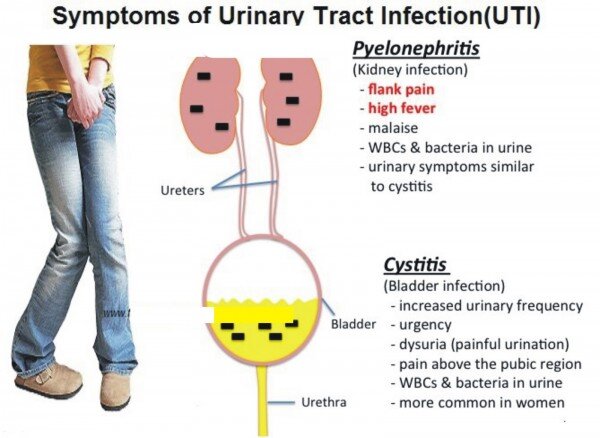
Glomerulonephritis has been observed in five patients in Kenya.
Skin
Two cases of exfoliative dermatitis occurred among a total of 131 treated patients. In one case from India, a fixed drug eruption was attributed to the medicine, and other forms of rash have also been reported.
An outbreak of Stevens-Johnson syndrome has been reported in 52 Filipino overseas contract workers (aged 20-30 years, 50 women) working in China who used mebendazole for helminth prophylaxis. All took mebendazole at least once after the appearance of rashes and fever. Three women eventually died, mainly due to septicaemia.
Side Effects
Mebendazole, a benzimidazole, is poorly absorbed from the gut, although it reliably enters cyst fluid. It is therefore most useful for treating intestinal infections and cyst-forming infestations. It is essentially an anthelmintic medicine and is effective against hookworm, ascariasis, enterobiasis, and trichuriasis. Mebendazole is effective against enteric Strongyloides, but because it is not absorbed it is ineffective against tissue forms. However, it is also effective against Giardia lamblia, while Trichomonas vaginalis is susceptible in vitro. Mebendazole does not interfere with the normal intestinal flora.
Mebendazole has been assessed across a range of doses and treatment durations. The most usual dose is 100 mg twice daily for 3 days; absorption is minimal, but there is considerable variation in plasma concentrations, and the half-life is 2-9 hours. Much higher doses, up to 60 mg/kg/day, have been used in inoperable cases of cystic echinococcosis infestation, and unwanted effects are then more common.
Flubendazole is an analogue of mebendazole used in intestinal helminthiasis and hydatid disease. In trials of two-dose oral treatment for intestinal helminthiasis, reactions were mild and uncommon. They consisted of nausea, abdominal pain, dyspepsia, and drowsiness. Later field experience has not suggested that flubendazole differs greatly from other medicines in the class in terms of side effects.
Comparative studies
Echinococcosis
The use of albendazole and mebendazole in patients with hydatid disease has been evaluated in 448 patients with Echinococcus granulosus hydatid cysts. These patients received continuous oral treatment with either albendazole 10–12 mg/kg/day for 3–6 months (323 patients) or mebendazole 50 mg/kg/day. At the end of treatment, 82% of cysts treated with albendazole and 56% of cysts treated with mebendazole showed degenerative changes. During long-term follow-up, 25% of these cysts relapsed, and 78% of relapses occurred within 2 years. Further treatment with albendazole caused degenerative changes in more than 90% of the relapsed cysts, without more frequent or more severe adverse effects than those seen during the initial treatment period.
Side effects during the first treatment period consisted of raised transaminases with albendazole (67 of 323 patients) and mebendazole (16 of 125 patients), and abdominal pain in 12% and 11% respectively. With both medicines, occasional patients experienced headache, abdominal distension, vertigo, urticaria, jaundice, thrombocytopenia, fever, or dyspepsia, but most of these are known features of echinococcus infection. Six of 323 patients taking albendazole withdrew because of side effects compared with eight of 125 patients taking mebendazole. It appears that albendazole is more effective than mebendazole in the treatment of hydatid cysts caused by E. granulosis and that both the intensity and frequency of the usually mild side effects are comparable.
In 78 patients with hydatid disease there was a low recurrence rate of hydatid disease (below 3%) after a postoperative prophylactic course of mebendazole 20 mg/kg/day in three divided doses for 3 months. The only side effect of mebendazole was excessive hair loss in two women. The unusually low recurrence rate of hydatid disease after treatment with mebendazole in this study was later questioned and attributed to meticulously careful surgical procedures, with avoidance of spillage of hydatid fluid and complete removal of parasitic components.
General adverse effects
At normal doses (100 mg twice daily for 3 days), very mild headache, dizziness, and nausea or diarrhoea are common; in principle, allergy can occur. Mild and reversible rises in transaminases can occur and should be monitored, but even at high doses treatment only needs to be stopped in a small number of patients. Neutropenia has been noted and can be severe and persistent. High doses (up to 50-60 mg/kg) can also cause alopecia and cough. Mebendazole has been associated with extra-intestinal migration of Ascaris in heavily infected patients. Apart from the poor therapeutic response seen in about 25% of cases, medicine toxicity, especially at high prolonged dosage, has led to withdrawal in a small proportion of patients.
Side effects severe enough to lead to withdrawal have included worsening of pre-existing hyperlipidaemia (type IV), progressive uraemia, and a marked rise in liver enzymes. One person developed a rash accompanied by a striking rise in serum transaminases, which recurred on later re-exposure. Experience in the treatment of Echinococcus multilocularis infection is similar. One patient with fatal agranulocytosis also had severe, probably unrelated, liver disease. Some 3-4% develop fever, which can be persistent and accompanied by respiratory symptoms and eosinophilia. Other side effects include pain over the site of the cyst, allergic reactions, alopecia, glomerulonephritis, and rashes.
Various authors have reported spontaneous rupture of hydatid cysts with mebendazole, and this is probably more common than in untreated people. Pleural and peritoneal cysts are more likely to rupture.
Evidence of teratogenicity in rats has not been accompanied by reports of harm in human pregnancy, but the World Health Organization (WHO) recommends avoiding use during the first trimester. It is not known whether mebendazole passes into breast milk; no side effects have been reported, but this has not been specifically studied.
Mebendazole: Organs and Systems
Susceptibility Factors
Age
Children under 2 years of age who are infected with helminths are currently excluded from treatment with mebendazole and other anthelmintic medicines on the basis of the manufacturer's instructions. In a double-blind, randomised trial in Tanzania, 212 children aged under 2 years were given a total of 653 anthelmintic treatments (317 mebendazole 500 mg; 336 placebo). There were no significant differences in adverse events between the two groups. In light of the potential nutritional benefit of regular deworming in this age group, the policy excluding children under 2 years of age from treatment should probably be reconsidered.
Storage
Store at room temperature 20-25°C (68-77°F). Keep in the original container, tightly closed, away from moisture and direct sunlight. Keep out of reach of children.