I'm in Geelong. Can I enter my postcode at checkout to see whether these fluconazole tablets can be delivered to my address?
Yes. Enter your Geelong postcode at checkout to check whether delivery is available for your address.


 AntiInfectiveMeds
Since 2010
AntiInfectiveMeds
Since 2010

| Quantity | Price per tablet | You save | Total price | |
|---|---|---|---|---|
| 60 | A$1.33 | - | A$79.66 | |
| 90 | A$1.19 | A$11.95 | A$107.54 | |
| 120 | A$1.13 | A$23.61 | A$135.70 | |
| 180 | A$1.07 | A$47.23 | A$191.75 | |
| 270 | A$1.02 | A$83.78 | A$274.68 | |
| 360 | A$0.99 | A$120.20 | A$357.75 |
| Quantity | Price per tablet | You save | Total price | |
|---|---|---|---|---|
| 30 | A$2.46 | - | A$73.68 | |
| 60 | A$1.86 | A$35.85 | A$111.52 | |
| 90 | A$1.63 | A$73.97 | A$147.08 | |
| 120 | A$1.54 | A$109.53 | A$185.21 | |
| 180 | A$1.43 | A$184.78 | A$257.33 | |
| 270 | A$1.37 | A$293.74 | A$369.42 |
| Quantity | Price per tablet | You save | Total price | |
|---|---|---|---|---|
| 30 | A$3.10 | - | A$93.03 | |
| 60 | A$2.30 | A$47.94 | A$138.12 | |
| 90 | A$2.05 | A$94.59 | A$184.50 | |
| 120 | A$1.94 | A$139.12 | A$233.00 | |
| 180 | A$1.81 | A$232.15 | A$326.03 | |
| 270 | A$1.72 | A$373.26 | A$464.01 |
| Quantity | Price per tablet | You save | Total price | |
|---|---|---|---|---|
| 30 | A$4.86 | - | A$145.66 | |
| 60 | A$3.53 | A$79.52 | A$211.81 | |
| 90 | A$3.09 | A$159.32 | A$277.67 | |
| 120 | A$2.87 | A$237.98 | A$344.67 | |
| 180 | A$2.63 | A$400.57 | A$473.40 | |
| 270 | A$2.48 | A$640.82 | A$670.13 |
| Quantity | Price per tablet | You save | Total price | |
|---|---|---|---|---|
| 30 | A$8.17 | - | A$245.09 | |
| 60 | A$6.10 | A$123.90 | A$366.29 | |
| 90 | A$5.44 | A$245.80 | A$489.47 | |
| 120 | A$5.11 | A$366.71 | A$613.66 | |
| 180 | A$4.78 | A$610.53 | A$860.03 | |
| 270 | A$4.56 | A$974.82 | A$1,231.01 |
Your order is carefully packed and ships within 24 hours. Here is what a typical package looks like.
Sized like a regular personal letter (approximately 24x11x0.7 cm), with no indication of what is inside.



| Delivery Method | Estimated delivery |
|---|---|
| Express Free for orders over A$426.74 | Estimated delivery to Australia: 4-7 days |
| Standard Free for orders over A$284.50 | Estimated delivery to Australia: 14-21 days |












Fluconazole is a widely used antifungal medicine that helps treat yeast and other fungal infections by stopping fungi from growing in the body. In Australia, it is commonly prescribed when an effective, convenient oral treatment is needed and is available in different strengths.
Fluconazole is used to treat oropharyngeal, oesophageal or vulvovaginal candidiasis, as well as other serious systemic candidal infections such as urinary tract infections, peritonitis, candidaemia, disseminated candidiasis, meningitis and pneumonia. The medicine is also used to treat meningitis caused by Cryptococcus neoformans and to treat blastomycosis, coccidioidomycosis and histoplasmosis.
Fluconazole has also been used for less severe infections, such as superficial fungal infections, dermatophytoses and onychomycosis. In addition, it is used to help prevent serious fungal infections such as coccidioidomycosis, cryptococcosis and mucocutaneous candidiasis in patients with human immunodeficiency virus (HIV) infection, and to prevent fungal infections in other immunocompromised people such as cancer patients and bone marrow transplant recipients.
Before starting fluconazole treatment, suitable specimens for fungal culture and other relevant laboratory tests, such as serology and histopathology, should be collected to isolate and identify the causative organism(s). Fluconazole treatment may be started while waiting for the results of these in vitro tests; however, once results are available, treatment should be adjusted accordingly. If fluconazole in vitro susceptibility tests are performed, the results should be interpreted with caution, since currently available tests may not accurately reflect fluconazole's in vivo activity.
Oral or IV fluconazole is used to treat oropharyngeal candidiasis in immunocompromised adults with acquired immunodeficiency syndrome (AIDS), advanced AIDS-related complex (ARC), malignancy or other severe underlying disease. It is also used orally or by IV to treat oesophageal candidiasis in adults with AIDS, malignancy or other severe underlying disease, including progressive systemic sclerosis.
Fluconazole appears to be at least as effective as, and in some cases more effective than, other antifungal medicines used for the initial treatment of oropharyngeal and/or oesophageal candidal infections. It is considered a medicine of choice for these infections.
Fluconazole has produced clinical resolution of signs and symptoms of infection in 79-100% of patients with oropharyngeal candidiasis; however, microbiological cures generally have been achieved in 44-87% of patients, and the relapse rate may be high, especially in neutropenic patients. In adults with oesophageal candidiasis confirmed by endoscopy, fluconazole has produced clinical resolution of signs and symptoms of infection in about 61-93% of patients. In one study in adults with oesophageal candidiasis and progressive systemic sclerosis, fluconazole treatment produced mycological cures in about 93% of patients within 2-4 weeks. Still, the relapse rate was almost 100% within 3 months after fluconazole treatment was stopped.
HIV-infected patients with severe or recurrent episodes of oropharyngeal or oesophageal candidiasis may benefit from long-term suppressive or maintenance treatment (secondary prophylaxis) to help prevent relapse.
Some clinicians consider topical treatment with oral clotrimazole or oral nystatin the treatment of choice for uncomplicated oropharyngeal candidiasis in people with HIV infection, and recommend that systemic antifungal medicines such as oral fluconazole, oral itraconazole and oral ketoconazole be reserved for oropharyngeal candidiasis that does not respond to topical treatment and for severe oropharyngeal candidiasis with oesophageal involvement. However, some clinicians prefer to use an oral azole antifungal for initial treatment of oropharyngeal candidiasis.
Oral fluconazole or itraconazole oral solution is at least as effective as topical treatment. In a study of HIV-infected adults with oropharyngeal candidiasis, the response rate and mycological eradication rate after 14 days of treatment were 100 and 75%, respectively, in those who received oral fluconazole (100 mg once daily), and 65 and 20%, respectively, in those who received topical clotrimazole (10-mg oral lozenge 5 times daily). In another study, 14 days of treatment with oral fluconazole (100 mg once daily as an oral suspension) was more effective than 14 days with topical nystatin (500,000 units as an oral suspension 4 times daily). The mycological cure rate was 60% in the fluconazole group and 6% in the nystatin group, and the relapse rate at day 42 was 27 and 11%, respectively. After long-term follow-up, the comparative efficacy of fluconazole and other antifungal medicines needs further study.
Systemic anti-infective treatment is necessary for oesophageal candidiasis. Some clinicians state that a 14- to 21-day regimen of oral fluconazole (100 mg once daily) or itraconazole oral solution (200 mg once daily) is highly effective for treating oesophageal candidiasis, and that oral ketoconazole is less effective. These clinicians suggest that an oral itraconazole solution should be used in patients who do not respond to oral fluconazole. IV amphotericin B can be used in patients with otherwise refractory disease. In a randomised, multicentre, double-blind study comparing oral fluconazole (initial dosage 100 mg daily increased to 200 mg daily if no symptomatic improvement occurred within 1-2 weeks) for up to 8 weeks with oral ketoconazole (initial dosage 200 mg daily increased to 400 mg daily if no symptomatic improvement occurred within 1-2 weeks) in AIDS patients with endoscopically confirmed oesophageal candidiasis, endoscopic cure and resolution of oesophageal symptoms occurred in 91 and 85% of patients receiving fluconazole, respectively, while endoscopic cure and resolution of symptoms occurred in 52 and 65% of patients receiving ketoconazole, respectively; results of another study in immunocompromised patients with oesophageal candidiasis indicate that patients receiving fluconazole may require a shorter duration of initial treatment than those receiving ketoconazole.
Oral fluconazole is used to treat uncomplicated vulvovaginal candidiasis and complicated vulvovaginal candidiasis in non-pregnant women. Before antifungal treatment is first used in a woman with signs and symptoms of uncomplicated vulvovaginal candidiasis, the diagnosis should be confirmed either by showing yeasts or pseudohyphae on direct microscopic examination of vaginal discharge (10% potassium hydroxide [KOH] wet mount or Gram stain) or by culture; identifying Candida by culture in the absence of symptoms is not an indication for antifungal treatment, since approximately 10-20% of women harbour Candida or other yeasts in the vagina. In women with recurrent vulvovaginal candidiasis, vaginal cultures should be obtained to confirm the diagnosis and identify unusual Candida species such as C. glabrata.
Oral fluconazole effectively treats uncomplicated vulvovaginal candidiasis when given as a single dose. A single 150-mg oral dose of fluconazole produces clinical cures, meaning the absence of vulvovaginal burning, itching, swelling, erythema, excoriation, dyspareunia and/or ulceration and a substantial decrease in vaginal discharge, 5-16 days after the dose in approximately 90-100% of non-pregnant women, and mycological cures in approximately 77-100%. At 27-62 days after the single dose, clinical and mycological cure rates are 61-90%, and the relapse, reinfection or recolonisation rate is about 23%. Results of several studies in patients with uncomplicated vulvovaginal candidiasis suggest that a single 150-mg dose of oral fluconazole is as effective for this condition as multiple-dose regimens of intravaginal clotrimazole, econazole, miconazole or terconazole. In addition, the single-dose oral fluconazole regimen is as effective for uncomplicated vulvovaginal candidiasis as oral itraconazole or oral ketoconazole.
In controlled studies in patients with vulvovaginal candidiasis, clinical and mycological cure rates at 14 and 30-35 days were similar in patients receiving oral fluconazole (given as a single 150-mg dose) compared with patients receiving intravaginal clotrimazole (given as a 100-mg vaginal tablet once daily for 7 days) or miconazole (given as a 100-mg vaginal cream once daily for 7 days). At 14 days, the clinical cure rate was reported to be about 95-96% with fluconazole and 95-97% with intravaginal clotrimazole or miconazole, and the mycological cure rate was reported to be 77-80% with fluconazole and 72-82% with intravaginal clotrimazole or miconazole. At 30-35 days, the clinical cure rate was reported to be about 69-75% with fluconazole and 72-80% with intravaginal clotrimazole or miconazole, and the mycological cure rate was reported to be 61-63% with fluconazole and 57-63% with intravaginal clotrimazole or miconazole.
The US Centers for Disease Control and Prevention (CDC) and other clinicians recommend that uncomplicated vulvovaginal candidiasis, defined as vulvovaginal candidiasis that is mild to moderate, sporadic or infrequent, most likely caused by C. albicans, or occurring in immunocompetent women, be treated with an intravaginal azole antifungal such as butoconazole, clotrimazole, miconazole, terconazole or tioconazole, given in appropriate single-dose or short-course regimens, or oral fluconazole given as a single dose. These regimens generally have been associated with clinical and mycological cure rates of 80-90% in otherwise healthy, non-pregnant women with uncomplicated infections. Some clinicians suggest that a single oral dose of fluconazole may offer some advantage over conventional intravaginal treatment because it helps ensure adherence and may reduce or eliminate concurrent rectal infections that may act as a source of reinfection. When weighing up the potential risks and benefits of oral versus intravaginal treatment, the potential for toxicity, such as hepatotoxicity, and drug interactions associated with oral treatment should be considered. Side effects are reported more often in patients receiving a single oral dose of fluconazole than in those receiving intravaginal treatment, and this should also be considered carefully.
Oral fluconazole is used to treat complicated vulvovaginal candidiasis, including recurrent and severe infections. Complicated vulvovaginal candidiasis is defined as infections that are recurrent or severe, caused by Candida other than C. albicans, or occurring in pregnant women or women with underlying diseases such as uncontrolled diabetes, debilitation or immunosuppression.
Optimum regimens for treating recurrent vulvovaginal candidiasis, usually defined as 4 or more episodes of symptomatic vulvovaginal candidiasis each year, have not been established. Although each episode caused by C. albicans may respond to the usual single-dose oral fluconazole or short-course intravaginal antifungal treatment, a longer duration of initial treatment may be needed to achieve mycological remission, and long-term maintenance treatment may be needed to help prevent relapse. The CDC and other clinicians recommend an initial intensive regimen consisting of 7-14 days of an intravaginal azole antifungal or a 2-dose regimen of oral fluconazole (150 mg repeated 3 days later), followed by a maintenance antifungal regimen given for 6 months. For maintenance treatment, the CDC recommends intravaginal clotrimazole (500 mg once weekly), oral ketoconazole (100 mg once daily), oral fluconazole (100-150 mg once weekly), or oral itraconazole (400 mg once monthly or 100 mg once daily). These maintenance regimens can effectively reduce recurrent infections; however, 30-40% of women will have recurrent disease once maintenance treatment is stopped.
The response rate to short-course antifungal regimens is lower in patients with severe vulvovaginal candidiasis, meaning extensive vulvar erythema, oedema, excoriation and fissure formation. Either a 2-dose regimen of oral fluconazole (150 mg repeated 3 days later) or 7-14 days of an intravaginal azole antifungal is recommended for these infections. These longer regimens may also be needed to treat vulvovaginal candidiasis in women with underlying debilitating medical conditions, such as uncontrolled diabetes or corticosteroid treatment. Vulvovaginal candidiasis may occur more often and may be more severe in women with human immunodeficiency virus (HIV) infection than in women without HIV infection. These infections have been recognised as an early manifestation of acquired immunodeficiency syndrome (AIDS) in women. While the optimum treatment for recurrent vulvovaginal candidiasis in women with HIV infection has not been established, there is no evidence to date that these women have a lower response rate to the intravaginal or oral antifungal regimens usually recommended for vulvovaginal candidiasis. Therefore, the CDC and other clinicians recommend that vulvovaginal candidiasis in women with HIV infection should be treated in the same way as in women without HIV infection.
Recurrent vulvovaginal candidiasis may rarely be caused by resistant strains of C. albicans or, more commonly, by other Candida with reduced susceptibility to azole antifungal medicines such as C. glabrata. It has been suggested that repeated treatment of recurrent vulvovaginal candidiasis with intravaginal azole antifungal medicines, as well as widespread and/or inappropriate self-treatment, may favour the selection of Candida that are resistant to azole antifungal medicines. The optimum treatment for vulvovaginal candidiasis caused by Candida with reduced susceptibility to azole antifungal medicines has not been determined. For vulvovaginal candidiasis caused by Candida other than C. albicans, the CDC recommends 7-14 days of treatment with an antifungal medicine other than fluconazole; if recurrence occurs, intravaginal boric acid (600-mg capsule once daily for 2 weeks) is recommended. Referral to a specialist is advised.
Fluconazole has effectively treated serious candidal urinary tract infections, peritonitis and pneumonia. It has also been effective in the treatment of chronic mucocutaneous candidiasis, candidaemia, chronic disseminated candidiasis (hepatosplenic candidiasis), candidal endocarditis, candidal meningitis, candidal osteomyelitis and other severe systemic candidal infections. The medicine has been effective in treating some candidal infections that did not respond to amphotericin B. Fluconazole has also been effective in treating life-threatening candidal infections in organ transplant patients receiving immunosuppressive treatment. In some renal allograft recipients, fluconazole treatment effectively eliminated fungal infections without stopping or reducing the dosage of immunosuppressive treatment.
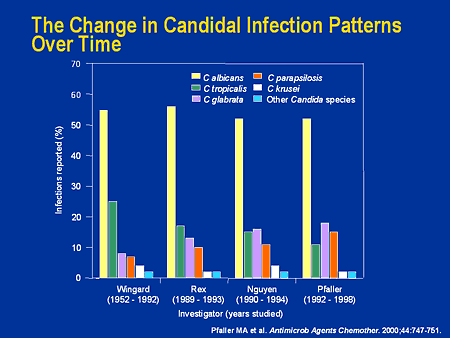
Both IV amphotericin B and IV or oral fluconazole are considered medicines of choice for systemic invasive candidiasis; however, the best antifungal regimens for these infections have been difficult to identify, and each medicine has drawbacks. While fluconazole may be better tolerated and easier to give than IV amphotericin B, fluconazole-resistant strains of C. albicans are being isolated with increasing frequency from patients who have previously received fluconazole, especially patients with HIV infection. Some candidal infections, such as candidaemia, are increasingly caused by strains that are intrinsically resistant to fluconazole, such as C. krusei, or are likely to be fluconazole-resistant, such as C. glabrata. The choice of antifungal medicine for the initial treatment of invasive candidal infections should take into account local and/or institutional epidemiological data on the prevalence of the various candidal strains and their resistance patterns, the patient's colonisation status, the severity and duration of neutropenia or immunosuppression, and any history of prior fluconazole use. Most clinicians recommend IV amphotericin B if the infecting organism is known or likely to be C. krusei; however, fluconazole is preferred if C. lusitaniae causes the infection.
Because candidaemia is associated with substantial morbidity and a risk of long-term sequelae, antifungal treatment is generally recommended for all patients with candidaemia, whether or not they are neutropenic, in addition to removal and/or exchange of any intravascular catheters. It has been suggested that oral fluconazole may be preferred over IV amphotericin B for the treatment of candidaemia in non-neutropenic patients, both stable and unstable, unless there is evidence that the infection is caused by fluconazole-resistant strains or the patient has previously received fluconazole. IV amphotericin B is generally preferred for severe candidaemia in patients with infections caused by strains that may be fluconazole-resistant, such as C. krusei or C. glabrata, patients who have recently received fluconazole, and immunocompromised patients such as those with HIV infection. In a controlled study in patients with candidaemia who were immunocompetent and had normal neutrophil counts, the response to conventional IV amphotericin B therapy (daily for 7 days, then 3 times weekly for an additional 10 days) or fluconazole therapy (400 mg daily given IV for 7 days, then orally for an additional 11 days) was similar. Both regimens appeared to be equally effective. The overall response rate to a conventional IV amphotericin B regimen or oral fluconazole was also similar in a prospective, randomised study that included non-neutropenic and neutropenic patients with documented or presumed invasive candidiasis. However, further study is needed to more fully evaluate the relative efficacy of amphotericin B and fluconazole in immunocompromised patients or patients with severe infections.
Oral fluconazole or IV amphotericin B are recommended when treatment of candiduria is indicated, such as in symptomatic or neutropenic patients, low-birthweight infants, patients with renal allografts, or patients who will undergo urologic manipulation; fluconazole may be preferred unless C. krusei or C. glabrata causes the infection. Bladder irrigation with conventional amphotericin B has also been used. In a randomised study in hospitalised geriatric patients with funguria caused by C. albicans, C. tropicalis or C. glabrata, 5 days of bladder irrigation with conventional amphotericin B (25 mg of amphotericin B in 500 mL of 5% dextrose injection infused through an indwelling bladder catheter at a rate of 42 mL/hour) or a 5-day course of oral fluconazole (200-mg loading dose on day 1 followed by 100 mg once daily for four additional days) eradicated the funguria in 83 or 66% of patients, respectively.
Fluconazole is also used prophylactically to reduce the incidence of candidiasis in bone marrow transplant recipients receiving chemotherapy or radiation therapy. It has also been used for primary prophylaxis against fungal infections, including candidiasis, in a limited number of patients considered at high risk of developing such infections, such as neutropenic cancer patients, patients colonised with Candida and/or receiving corticosteroids, and certain patients with AIDS.
Fluconazole has been used with good results in several patients with endophthalmitis caused by Candida. Still, treatment failures have been reported, and the role of the medicine in treating this infection remains unclear. Studies in rabbits indicate that fluconazole is distributed into the eye and that it inhibits the growth of C. albicans in rabbit choroid-retina tissue and vitreous body when IV treatment is started within 24 hours postinoculation; the medicine did not effectively inhibit the growth of the organism when IV treatment was started 7 days postinoculation, when the infection was well established.
Oral or IV fluconazole is used in immunocompetent or immunocompromised adults to treat meningitis caused by C. neoformans. The medicine has been effective for the initial (primary) treatment of acute cryptococcal meningitis in both HIV-infected and HIV-negative adults. It has produced clinical resolution of signs and symptoms of infection in approximately 34-75% of these patients. Although amphotericin B, with or without concomitant flucytosine, has been considered the initial treatment of choice for cryptococcal meningitis, fluconazole is an alternative for patients whose disease is not severe, since it is generally well tolerated and reaches high concentrations in CSF. While experience in children is limited, fluconazole may also be considered as an alternative to amphotericin B treatment in this age group.
Fluconazole has been effective in treating acute cryptococcal meningitis in some patients who did not respond to amphotericin B. However, there is some evidence that fluconazole may be less effective than amphotericin B in the early treatment of acute cryptococcal meningitis in patients with AIDS and may clear the fungus from the CSF more slowly. In a randomised, multicentre study comparing amphotericin B (mean dosage of 0.4-0.5 mg/kg daily for 10 weeks with or without flucytosine) with oral fluconazole (400 mg on the first day and 200-400 mg thereafter for 10 weeks) in patients with AIDS and cryptococcal meningitis, treatment was effective in 40% of patients receiving amphotericin B and 34% of those receiving fluconazole. Although overall mortality was similar in the two groups (14% with amphotericin B versus 18% with fluconazole), mortality during the first 2 weeks of treatment was higher in patients receiving fluconazole (15% versus 8% with amphotericin B). CSF cultures remained positive for an average of about 42 days with amphotericin B and 64 days with fluconazole. In another study comparing amphotericin B (0.7 mg/kg daily for 1 week, followed by this dose 3 times weekly for 9 weeks combined with flucytosine 150 mg/kg daily) with oral fluconazole (400 mg daily for 10 weeks) in a small number of patients with AIDS and cryptococcal meningitis, initial treatment was effective in all patients receiving amphotericin B but in only 43% of those receiving fluconazole; CSF cultures remained positive for an average of about 16 and 41 days in patients receiving these treatments, respectively. Although the patient groups in this study were similar in terms of the severity of cryptococcal infection, the helper/inducer (CD4+, T4+) T-cell count was lower in the fluconazole group, which makes the results harder to interpret.
Many clinicians recommend starting treatment for cryptococcal meningitis in patients with HIV with IV amphotericin B (with flucytosine) for at least 2 weeks, or until the patient is stable, followed by oral fluconazole or oral itraconazole for at least another 8-10 weeks or longer. Until more data and experience are available, some clinicians believe that initial treatment with IV amphotericin B (with or without flucytosine) followed by fluconazole maintenance therapy is the most sensible approach, at least for patients with more severe disease and those at high risk. They suggest that primary fluconazole therapy should probably be reserved for patients who do not respond adequately to amphotericin B, cannot tolerate it, or have less severe disease (for example, no neurological symptoms and low CSF cryptococcal antigen titres).
The relative efficacy of initial treatment with conventional IV amphotericin B (0.7 mg/kg daily) given with flucytosine (100 mg/kg daily) or placebo for 2 weeks followed by oral fluconazole (800 mg daily for 2 days, then 400 mg daily for 8 weeks) or oral itraconazole (600 mg daily for 3 days, then 400 mg daily for 8 weeks) has been evaluated in a double-blind multicentre trial in patients with AIDS-associated cryptococcal meningitis. At 2 weeks, CSF cultures were negative in 60% of those who received amphotericin B with flucytosine compared with 51% of those who received amphotericin B alone. The clinical response to follow-up treatment with oral fluconazole or oral itraconazole was similar. However, the rate of CSF sterilisation at 10 weeks was higher in those who received fluconazole (72%) than in those who received itraconazole (60%).
A regimen of oral fluconazole (400 mg daily for pulmonary infections or 400-800 mg daily for CNS infections) and oral flucytosine (100-150 mg/kg daily) has been used as an alternative treatment for pulmonary or CNS cryptococcal infections in a small number of patients. Although fluconazole used with flucytosine may be effective for mild to moderate pulmonary cryptococcal infections, this regimen has been ineffective in some patients with cryptococcal meningitis. It is not recommended as initial treatment for these infections. In addition, when used to treat cryptococcal meningitis in people with HIV, a regimen of fluconazole and flucytosine has been associated with a high rate of side effects that led to flucytosine being stopped in 28% of patients.
The mortality rate in patients with AIDS during the first episode of cryptococcal meningitis has been about 25-58% despite amphotericin B treatment. In patients with AIDS who respond to initial antifungal treatment, the relapse rate for cryptococcal infection is 35-65%. Long-term maintenance or suppressive antifungal therapy is generally considered necessary after initial treatment unless immune recovery has occurred with effective antiretroviral therapy.
Oral fluconazole has been effective as long-term maintenance therapy to help prevent relapse of cryptococcal meningitis in patients with AIDS. (See Uses: Prevention of Fungal Infections in HIV-infected Individuals.) Results of a multicentre study comparing the safety and efficacy of oral fluconazole (200 mg once daily) with IV amphotericin B (1 mg/kg once weekly) for preventing relapse in patients with AIDS who had negative cryptococcal cultures after adequate initial amphotericin B treatment indicate that fluconazole is more effective, in terms of preventing relapse of culture-positive meningitis, and better tolerated than amphotericin B for maintenance treatment in these patients. In a multicentre study comparing oral fluconazole maintenance therapy (100-200 mg daily) with placebo in these patients, the overall calculated cumulative risk of cryptococcal recurrence at any site after 1 year was 5% with fluconazole versus 100% with placebo.
The effectiveness of fluconazole maintenance therapy in preventing cryptococcal relapse in patients with persistent prostatic infection after primary antifungal treatment appears to be lower than in the overall patient population. Still, this reduced effect may be at least partly overcome by increasing the dose. In a small number of adults with AIDS who had persistent urinary cryptococcosis, including prostate infections, after adequate primary amphotericin B treatment (with or without flucytosine) for cryptococcal meningitis, oral fluconazole maintenance therapy led to mycologic cure in most patients. In contrast, relapse of cryptococcosis (with prostatic massage) and/or systemic infection occurred in the remaining patients during fluconazole maintenance therapy.
Response, defined as sustained suppression of prostatic massage-induced cryptococcus and no evidence of systemic or CNS relapse, appears to be dose-dependent in these patients and generally requires oral fluconazole doses of 200-600 mg daily. It also may take several weeks to months of maintenance therapy before a response becomes clear. In one study, the probability of response was estimated at 36% after 4 weeks and 59% after 27 weeks of maintenance treatment. Relatively high doses, such as 600 mg daily or more, may effectively sterilise multiple large prostatic abscesses in some patients. However, the factors that predict response and the best antifungal treatment for these patients still need to be clarified further. Because of the risk of relapse, some clinicians also advise that a prostatic focus of infection should be carefully ruled out in any male patient before low-dose fluconazole maintenance therapy is considered.
Oral fluconazole has been effective in a small number of patients for treating cutaneous or subcutaneous cryptococcosis. The medicine has also been effective for treating cryptococcal pneumonia in a small number of patients, although surgical removal of the focus of infection was necessary in some cases. However, cryptococcal pneumonia may be a sign of disseminated infection and this should be taken into account.
Oral fluconazole has been used successfully to treat coccidioidomycosis caused by Coccidioides immitis, including meningitis, pulmonary infections, and disseminated infections involving soft tissue or bone and joints. In adults with coccidioidal meningitis, fluconazole has produced clinical and/or laboratory signs of improvement when used alone or with amphotericin B. Oral fluconazole has been used to treat coccidioidal meningitis in both people with HIV and those without HIV. Because fluconazole is generally well tolerated and has favourable pharmacokinetic properties, such as high CSF concentrations after oral or IV use, it is considered a less toxic alternative to amphotericin B for coccidioidal meningitis and other persistent coccidioidal infections, especially because long-term antifungal treatment is usually needed. Fluconazole is considered one of the drugs of choice for coccidioidomycosis. However, IV amphotericin B is generally preferred for the initial treatment of severe coccidioidomycosis, especially in immunocompromised patients, including people with HIV. Further study is needed to assess efficacy, establish the best oral fluconazole dose for coccidioidomycosis, and determine whether the medicine substantially reduces morbidity and mortality. Some data suggest that response rates may improve with higher fluconazole doses, that is, 400 mg daily or more. It has also been suggested that relatively low doses, such as 50-100 mg daily, may increase the risk of recurrence.
Oral fluconazole has been used to treat North American blastomycosis caused by Blastomyces dermatitidis. While oral itraconazole or IV amphotericin B are considered the drugs of choice for blastomycosis, oral fluconazole or oral ketoconazole are considered alternatives. IV amphotericin B is generally preferred for severe infections, especially those involving the CNS, and for the initial treatment of presumed blastomycosis in immunocompromised patients, including people with HIV.
There is some evidence that oral itraconazole may be more effective than oral fluconazole or oral ketoconazole for treating blastomycosis. Many clinicians consider itraconazole the preferred azole antifungal for non-meningeal, non-life-threatening blastomycosis and also recommend it as follow-up treatment in patients with more severe infections after an initial response to IV amphotericin B. It is also important to keep in mind that treatment failures have been reported when an oral antifungal, such as ketoconazole, was used for cutaneous or pulmonary blastomycosis in patients who had asymptomatic or subclinical CNS involvement at the time of diagnosis.
Oral fluconazole has been used with some success to treat histoplasmosis caused by Histoplasma capsulatum. While IV amphotericin B or oral itraconazole are considered the drugs of choice for histoplasmosis, oral fluconazole or oral ketoconazole are considered alternatives. Oral fluconazole (400-800 mg daily) has been effective in a small number of patients with HIV who had mild to moderately severe disseminated histoplasmosis. However, IV amphotericin B is generally preferred for the initial treatment of severe, life-threatening histoplasmosis, especially in immunocompromised patients such as those with HIV. In addition, oral itraconazole is generally the preferred azole antifungal for treating mild to moderate histoplasmosis or as follow-up treatment for severe infections after a response has been achieved with amphotericin B.
Fluconazole is used as an alternative treatment for sporotrichosis. IV amphotericin B is usually considered the drug of choice for the initial treatment of severe, life-threatening infections and whenever there is CNS involvement, while oral itraconazole is considered the drug of choice for cutaneous, lymphocutaneous, or mild pulmonary or osteoarticular sporotrichosis and for follow-up treatment in more severe infections after a response has been achieved with IV amphotericin B. Fluconazole is considered second-line treatment for cutaneous, lymphocutaneous, or osteoarticular sporotrichosis and, because it may be less effective than itraconazole, should only be used if the patient cannot tolerate itraconazole. Some clinicians state that fluconazole is not effective and should not be used for pulmonary sporotrichosis.
Fluconazole has been used orally, by IV infusion, or by intracavitary infusion in a small number of adults to treat pneumonia or other respiratory tract infections caused by Aspergillus fumigatus, A. niger, or A. terreus. In one study, fluconazole showed a clinical efficacy rate of 23-53% in Aspergillus infections and a mycologic cure rate of about 50% for A. fumigatus infections. Fluconazole has produced variable results in treating infections caused by Aspergillus. IV amphotericin B is generally considered the drug of choice, and itraconazole is usually the preferred alternative for treating aspergillosis.
Oral fluconazole has been effective in treating certain dermatophytoses, such as tinea capitis, tinea corporis, tinea cruris, and tinea pedis, caused by Epidermophyton, Microsporum, or Trichophyton. Oral fluconazole has also been effective for treating pityriasis (tinea) versicolor and onychomycosis.
Oral fluconazole (3-6 mg/kg daily for 2-6 weeks) has effectively treated tinea capitis in children 1.5-16 years of age and resulted in clinical and mycologic cure in about 88-90% of patients. For adults with tinea corporis, tinea cruris, or tinea pedis, oral fluconazole has been effective in a once-weekly regimen (150 mg once weekly for 2-6 weeks). There is evidence that this once-weekly regimen is as effective as a once-daily regimen (50 mg once daily) for these infections. Results of a randomised study indicate that the eradication rate at the end of treatment in patients with tinea corporis or tinea cruris is 82-88% with the once-weekly regimen and 94-100% with the once-daily regimen; at 1-month follow-up, the overall eradication rates were 91-100% or 91-94%, respectively. Although the best dosage regimen of oral fluconazole for treating onychomycosis has not been established, a once-weekly regimen (150-450 mg once weekly for 3-12 months) has been effective in a small number of adults with toenail onychomycosis. However, more study is needed, and there is some evidence that fluconazole may be less effective than oral itraconazole or oral terbinafine for treating onychomycosis.
Tinea corporis and tinea cruris can usually be treated effectively with a topical antifungal. However, an oral antifungal may be needed if the disease is extensive, dermatophyte folliculitis is present, the infection is chronic or does not respond to topical treatment, or the patient is immunocompromised or has another coexisting condition. Tinea capitis and tinea barbae are generally treated with an oral antifungal. While topical antifungals are usually enough for uncomplicated tinea manuum and tinea pedis, an oral antifungal is usually needed for hyperkeratotic areas of the palms and soles, chronic moccasin-type (dry-type) tinea pedis, and tinea unguium (onychomycosis).
Fluconazole has been used in people with HIV for primary prophylaxis against serious fungal infections, such as cryptococcosis, and for long-term suppressive or maintenance treatment (secondary prophylaxis) to prevent recurrence or relapse of certain fungal infections, such as coccidioidomycosis, cryptococcosis, and mucocutaneous candidiasis.
The Prevention of Opportunistic Infections Working Group of the US Public Health Service and the Infectious Diseases Society of America (USPHS/IDSA) has published guidelines for preventing opportunistic infections, including fungal infections, in people with HIV. These guidelines include recommendations on preventing exposure to opportunistic pathogens, preventing first episodes of disease, and preventing recurrence. The USPHS/IDSA states that primary prophylaxis to prevent first episodes of mucocutaneous candidiasis in adults, adolescents, infants, and children with HIV is not recommended. While routine primary prophylaxis to prevent first episodes of coccidioidomycosis, cryptococcosis, or histoplasmosis in adults, adolescents, infants, and children with HIV is not recommended, the USPHS/IDSA states that primary prophylaxis against cryptococcosis or histoplasmosis may be considered in carefully selected individuals. The USPHS/IDSA recommends that adults, adolescents, infants, and children with HIV who have completed initial treatment for documented coccidioidomycosis, cryptococcosis, or histoplasmosis receive long-term suppressive or maintenance therapy (secondary prophylaxis) to prevent recurrence or relapse of these fungal infections. In addition, the USPHS/IDSA states that people with HIV who have frequent or severe recurrences of mucocutaneous candidiasis, including oropharyngeal, oesophageal, and vaginal candidiasis, may benefit from long-term suppressive or maintenance therapy.
Because of concerns about using oral azole antifungals during pregnancy, fluconazole should not be used for primary prophylaxis or chronic suppressive or maintenance therapy in pregnant women. If a woman becomes pregnant while receiving fluconazole prophylaxis and chooses to continue the pregnancy, prophylaxis should be stopped. Effective contraception is recommended for all women with HIV receiving an oral azole antifungal for suppressive therapy. Conventional IV amphotericin B may be the preferred option if long-term suppressive or maintenance therapy against coccidioidomycosis, cryptococcosis, or histoplasmosis is needed in a pregnant woman with HIV, especially during the first trimester.
The USPHS/IDSA states that routine primary prophylaxis against coccidioidomycosis in patients with HIV living in endemic areas is not recommended. Some clinicians suggest that primary prophylaxis should be considered for people with HIV who have positive CF serology without active disease. Still, it is unclear whether primary prophylaxis would be helpful for people with HIV living in areas where coccidioidomycosis is endemic. Active coccidioidomycosis has developed in people with HIV who were receiving azole therapy for other conditions.Routine skin testing for coccidioidomycosis in people with HIV who live in endemic areas is not predictive of disease and is generally not recommended. Within an endemic area, a positive serologic test might indicate an increased risk of active infection; however, routine serologic testing does not appear to be helpful and is not recommended.
The USPHS/IDSA states that, although routine primary prophylaxis against cryptococcosis is not recommended, it may be considered in adults and adolescents with HIV who have CD4+ T-cell counts less than 50/mm3 and in infants and children with severe immunosuppression, as defined by age-adjusted criteria. Routine prophylaxis is not recommended because cryptococcal disease is relatively uncommon, there is no evidence of a survival benefit with prophylaxis, and there are concerns about drug interactions, the potential for resistance to develop, and cost. The need for primary prophylaxis or suppressive therapy against other fungal infections, such as coccidioidomycosis, histoplasmosis, or mucocutaneous candidiasis, should also be considered when deciding on primary prophylaxis against cryptococcosis. Routine testing of asymptomatic individuals for serum cryptococcal antigen is not recommended because results are unlikely to change clinical decisions. People with HIV cannot completely avoid exposure to Cryptococcus neoformans, and there is no evidence that exposure to pigeon droppings increases the risk of cryptococcosis.
Oral fluconazole is the agent of choice for primary prophylaxis against cryptococcosis in adults, adolescents, infants, and children with HIV, and itraconazole, given as oral capsules, is considered an alternative.
The USPHS/IDSA states that primary prophylaxis against histoplasmosis may be considered in adults or adolescents with HIV who have CD4+ T-cell counts less than 100/mm3 and are at especially high risk of exposure to Histoplasma capsulatum because of occupational exposure or because they live in a community with a hyperendemic rate of histoplasmosis, at least 10 cases/100 patient-years. It also may be considered for infants or children with HIV who have severe immunosuppression and live in areas where histoplasmosis is endemic. When deciding whether to use primary prophylaxis against histoplasmosis in these patients, clinicians should consider the local incidence of histoplasmosis, the possibility of drug interactions, toxicity, development of resistance, cost, and the need for prophylaxis against other fungal infections, such as candidiasis or cryptococcosis.
The first-choice agent for primary prophylaxis against histoplasmosis in adults, adolescents, or paediatric patients with HIV is oral itraconazole, given as capsules; the USPHS/IDSA makes no recommendation regarding an alternative to itraconazole. There is some evidence that oral fluconazole may be ineffective in preventing first episodes of histoplasmosis.
The USPHS/IDSA states that primary prophylaxis to prevent first episodes of mucocutaneous candidiasis, including oesophageal, oropharyngeal, and vaginal candidiasis, in adults, adolescents, infants, or children with HIV is not recommended because acute mucocutaneous candidiasis is generally treatable and rarely life-threatening and because of concerns about the potential for resistant Candida to develop, drug interactions, and the cost of antifungal prophylaxis.
The USPHS/IDSA recommends that HIV-infected people who have completed initial treatment for documented coccidioidomycosis should receive long-term suppressive or maintenance therapy (secondary prophylaxis) to help prevent recurrence or relapse. Oral fluconazole is recommended as the treatment of choice, with IV amphotericin B and oral itraconazole (as capsules) as alternatives. Long-term suppressive therapy to prevent recurrence or relapse of coccidioidomycosis in HIV-infected adults, adolescents, infants and children is generally continued for life. Although HIV-infected people may be at low risk of recurrence of systemic fungal infections if their CD4+ T-cell count rises to more than 100/mm3 while receiving potent combination antiretroviral therapy, the USPHS/IDSA states that there is currently not enough evidence to recommend stopping prophylaxis against coccidioidomycosis in these patients.
The USPHS/IDSA recommends that HIV-infected people who have completed initial treatment for documented cryptococcosis should receive long-term suppressive or maintenance therapy (secondary prophylaxis) to help prevent recurrence or relapse, unless immune recovery has occurred as a result of potent combination antiretroviral therapy. Oral fluconazole is recommended as the treatment of choice, with IV amphotericin B and oral itraconazole (as capsules) as alternatives. There is some evidence from a randomised, double-blind, controlled study in HIV-infected people with documented, adequately treated cryptococcal meningitis that oral fluconazole (200 mg once daily) is more effective than oral itraconazole (200 mg once daily) for suppressive therapy in these patients, since the rate of culture-positive relapse of cryptococcosis was 4% in those receiving fluconazole compared with 23% in those receiving itraconazole.
Suppressive or maintenance therapy to prevent recurrence or relapse of cryptococcosis in HIV-infected people is generally continued for life unless immune recovery has occurred as a result of potent combination antiretroviral therapy. Limited data suggest that stopping suppressive or maintenance therapy in HIV-infected adults and adolescents who have completed initial treatment for cryptococcosis, remain asymptomatic in relation to cryptococcosis, and have sustained increases in CD4+ T-cell counts to more than 100-200/mm3 (for example, for 6 months or longer) in response to potent antiretroviral therapy is associated with a low risk of recurrence. Based on this and more extensive cumulative safety data on stopping long-term suppressive therapy for other opportunistic infections, the USPHS/IDSA states that it is reasonable to consider discontinuing suppressive therapy in people who meet these criteria. The USPHS/IDSA notes that recurrence can still occur after suppressive therapy is stopped and states that suppressive therapy should be restarted if the CD4+ T-cell count falls to less than 100-200/mm3. The safety of stopping suppressive therapy in HIV-infected infants and children has not been studied, and children should receive lifelong suppressive therapy after an episode of cryptococcosis.
For long-term suppressive therapy in HIV-infected patients with documented histoplasmosis that has been adequately treated, the USPHS/IDSA states that oral itraconazole (as capsules) is the treatment of choice and IV amphotericin B is an alternative.
The USPHS/IDSA states that long-term suppressive or maintenance therapy should be considered in adults and adolescents with a history of documented oesophageal candidiasis, especially those who have had multiple episodes, while taking into account the potential for resistant Candida strains to develop. In addition, the USPHS/IDSA states that suppressive therapy should be considered for infants and children who have severe, recurrent mucocutaneous candidiasis, especially those with oesophageal candidiasis. Although many experts do not recommend long-term prophylaxis against recurrent oropharyngeal or vulvovaginal candidiasis in HIV-infected patients for the same reasons they do not recommend routine primary prophylaxis against candidiasis, the USPHS/IDSA states that suppressive therapy may be considered for HIV-infected people who have frequent or severe recurrences of these candidal infections. However, several factors should be considered when deciding on this type of therapy, including the effect of recurrences on the patient's wellbeing and quality of life, the need for prophylaxis against other fungal infections, the cost of prophylaxis, drug toxicities, drug interactions, and the potential for drug resistance to develop among Candida and other fungi.
If long-term suppressive therapy as prophylaxis against mucocutaneous candidiasis is needed in HIV-infected adults, adolescents, infants or children with frequent or severe recurrences of oropharyngeal, oesophageal or vaginal candidiasis, the USPHS/IDSA recommends oral fluconazole as the treatment of choice and itraconazole (as the oral solution) as an alternative.
Long-term suppressive therapy to prevent recurrence or relapse of fungal infections in HIV-infected patients is generally continued for life. In some HIV-infected patients who had been receiving oral fluconazole to prevent recurrence of oropharyngeal candidiasis for a median of 18 months (range: 4-98 months) and were receiving potent combination antiretroviral therapy (about 50% had plasma HIV-1 RNA levels below the limits of detection), stopping oral fluconazole suppressive therapy led to recurrence of oropharyngeal candidiasis in only 10% of patients within 6-11 months. Although HIV-infected patients receiving suppressive antifungal prophylaxis may be at low risk of recurrence of fungal infections if their CD4+ T-cell counts rise to more than 100/mm3 while receiving potent combination antiretroviral therapy, the USPHS/IDSA states that there is currently not enough evidence to recommend stopping prophylaxis in these patients.
Fluconazole is used prophylactically to reduce the incidence of candidiasis in patients undergoing bone marrow transplantation (BMT) who are receiving chemotherapy or radiotherapy. The medicine has also been used to prevent fungal infections in patients undergoing liver transplantation and in cancer patients considered at risk of neutropenia and fungal infections. There is some evidence that fluconazole prophylaxis in transplant and cancer patients can reduce the frequency of oropharyngeal and/or systemic candidiasis during the period before neutrophil recovery. In addition, fluconazole prophylaxis may reduce the need for empiric antifungal therapy in these patients. The effectiveness of oral fluconazole (400 mg once daily) for preventing fungal infections in neutropenic patients has been evaluated in a randomised, placebo-controlled study involving 274 cancer patients aged 18-80 years who were receiving cytotoxic chemotherapy or conditioning therapy for BMT. While the percentage of patients not requiring empiric therapy with IV amphotericin B was similar in both groups (57% of those receiving fluconazole and 50% of those receiving placebo required no such therapy), complete success without fungal colonisation was achieved in 37% of those receiving fluconazole and 20% of those receiving placebo. In addition, there was a lower incidence of superficial fungal infections in those receiving fluconazole (7%) than in those receiving placebo (18%), and only 3% of those receiving fluconazole developed definite invasive fungal infections compared with 17% of those receiving placebo. While fluconazole prophylaxis did not affect the overall mortality rate, intention-to-treat analysis indicates that the number of deaths attributable to definite invasive fungal infection was lower in the fluconazole group (1 of 15) than in the placebo group (6 of 15).
The use of primary antifungal prophylaxis in cancer patients undergoing myelosuppressive therapy or patients undergoing BMT or solid organ transplantation remains controversial, particularly since such prophylaxis may predispose the patient to colonisation with resistant fungi and/or lead to the emergence of highly resistant organisms. Retrospective studies have shown an increased risk of colonisation with Candida krusei in BMT recipients and in neutropenic patients who received fluconazole prophylaxis; in one study, about 41% of patients receiving fluconazole had colonisation with C. krusei compared with 17% of those not receiving fluconazole. Therefore, most clinicians generally discourage primary prophylactic antifungal therapy, except in certain carefully selected high-risk patients in whom the potential benefits are expected to outweigh the possible risks. Many experts, however, state that controlled, randomised studies should continue to evaluate fluconazole for preventing fungal infections in cancer patients and in BMT recipients.
Fluconazole is a triazole antifungal used for superficial mucosal (oropharyngeal, oesophageal or vaginal) candidiasis and fungal skin infections. It is also used for systemic infections, including systemic candidiasis, coccidioidomycosis and cryptococcosis. It has also been tried in blastomycosis, histoplasmosis and sporotrichosis.
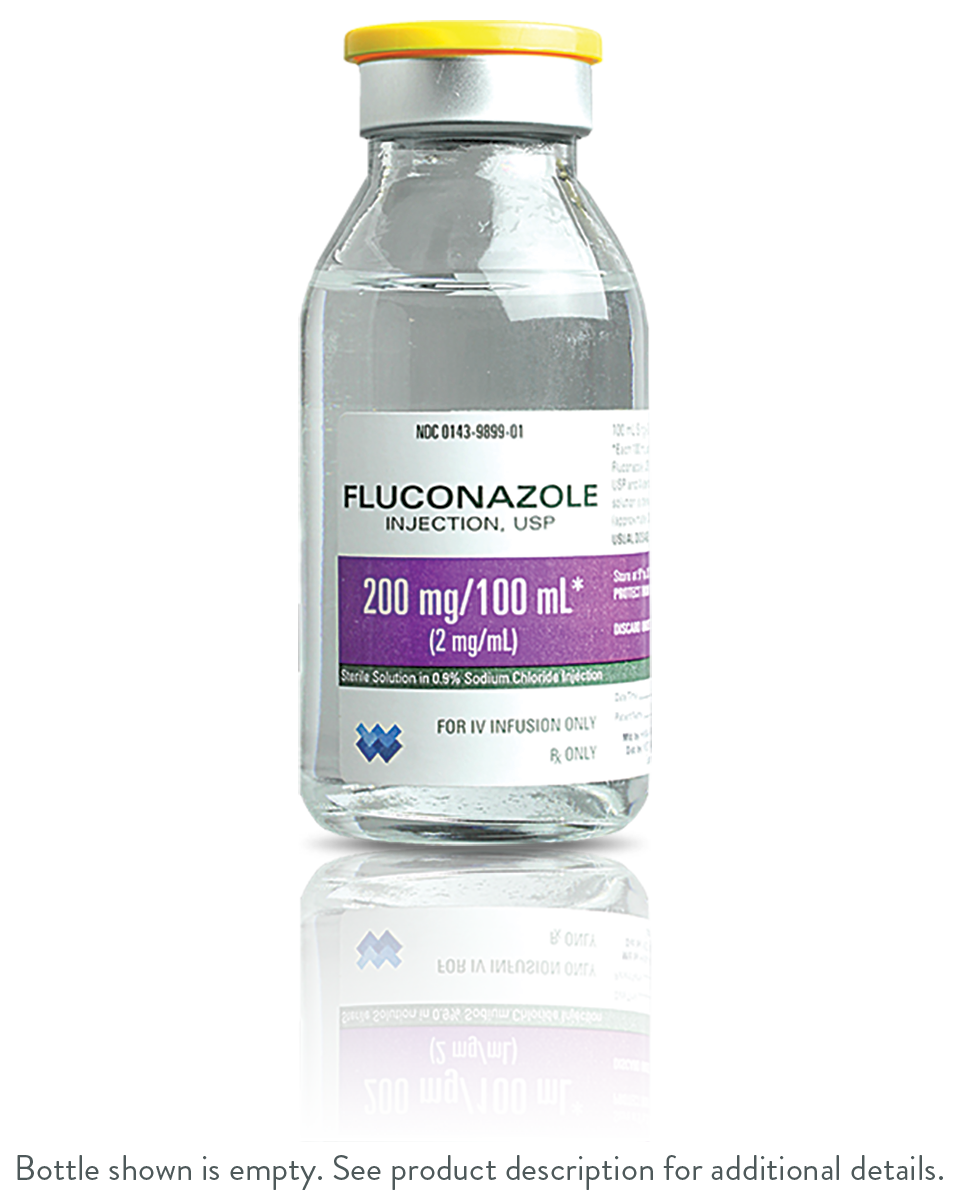
Fluconazole is given orally or intravenously in similar doses. For intravenous infusion, it is given as a solution containing 2 mg/mL at a rate of 5 to 10 mL/minute (300 to 600 mL/hour). In Australian practice, the infusion should be given in line with the approved product information and local hospital protocols.
For superficial mucosal candidiasis (other than genital candidiasis), the usual oral dose of Fluconazole in Australia is 50 mg once daily. If needed, 100 mg once daily may be used.
Treatment usually continues for 7 to 14 days for oropharyngeal candidiasis (except in severely immunocompromised patients), for 14 days for atrophic oral candidiasis associated with dentures, and for 14 to 30 days for other mucosal candidal infections, including oesophagitis. Higher doses are recommended in the USA, where an initial dose of Fluconazole 200 mg is followed by 100 mg daily and where the minimum treatment period is 14 days for oropharyngeal infection, or at least 21 days and for at least 14 days after symptoms have resolved for oesophageal infections; doses of up to 400 mg daily may be used for oesophageal candidiasis if necessary.
Fluconazole may be taken by mouth with or without food. Fluconazole powder for oral suspension should be reconstituted at the time of dispensing by adding 24 mL of distilled or purified water to the container holding 0.35 or 1.4 g of the medicine to make a suspension containing 50 or 200 mg/5 mL, respectively. The bottle should be shaken vigorously to disperse the powder, and the suspension should be shaken well just before use.
IV infusions of Fluconazole should be given once daily at a rate not exceeding 200 mg/hour. Fluconazole injections for IV infusion should be visually checked for discolouration and particulate matter before use whenever the solution and container allow. The injection for IV infusion should be discarded if the solution is cloudy or has precipitated, or if the seal is not intact. Viaflex® Plus containers of Fluconazole should be checked for small leaks by firmly squeezing the bag. The injection should be discarded if the container seal is not intact, leaks are found, or the solution is cloudy or contains a precipitate. Additives should not be introduced into the plastic injection container. The injection in plastic containers should not be used in series connections with other plastic containers, since this could result in air embolism from residual air being drawn from the primary container before administration from the secondary container is complete.
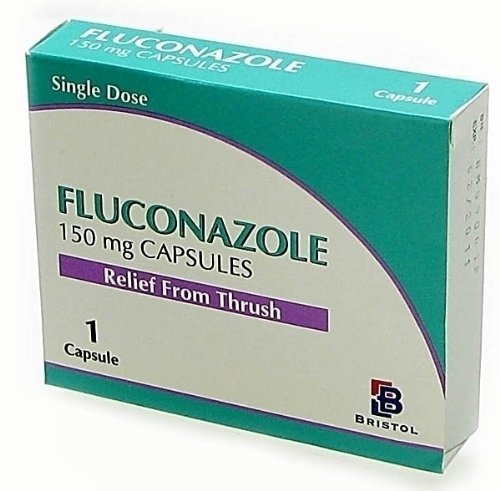
Fluconazole 150 mg as a single oral dose may be used for genital candidiasis (vaginal candidiasis or candidal balanitis). Dermatophytosis, pityriasis versicolor and Candida skin infections may be treated with Fluconazole 50 mg taken by mouth daily for up to six weeks.
Systemic candidiasis, cryptococcal meningitis and other cryptococcal infections may be treated orally or by intravenous infusion with Fluconazole. The initial dose is 400 mg, followed by 200 to 400 mg daily. The length of treatment depends on the clinical and mycological response, but it is usually at least 6 to 8 weeks. In cryptococcal meningitis in the USA, treatment is recommended for 10 to 12 weeks after CSF cultures become negative.
Fluconazole may also be used in daily doses of 100 to 200 mg orally or intravenously to prevent relapse after an initial course of antifungal treatment for acute cryptococcal meningitis in patients with AIDS. In immunocompromised patients at risk of fungal infections, Fluconazole may be given prophylactically by mouth or by intravenous infusion at 50 to 400 mg daily. However, long-term prophylaxis has been associated with the emergence of resistant organisms. Doses for children over 4 weeks of age are 3 mg/kg/day for superficial infections (a loading dose of 6 mg/kg may be used on the first day if necessary) and 6 to 12 mg/kg/day for systemic infections. A dose of 3 to 12 mg/kg/day may be given for prophylaxis in immunocompromised children. For infants under 2 weeks of age, all these doses should be given once every 72 hours. For those aged between 2 and 4 weeks, the doses should be given every 48 hours.
A maximum dose of 400 mg daily should not be exceeded in children, or 12 mg/kg at appropriate intervals in infants. Dosage may need to be reduced in patients with renal impairment.
Patients with life-threatening infections caused by Candida spp., Cryptococcus neoformans and Coccidioides immitis have been treated with doses higher than those recommended in the licensed product information for Fluconazole.
Dose-finding studies have found daily doses of 800 to 1000 mg of Fluconazole to be effective and well tolerated. In a study of 11 HIV-infected patients who received fluconazole 800 to 1000 mg daily intravenously for 3 weeks, then orally until the CSF culture became negative, 6 patients had responded at 10 weeks, and another 2 improved clinically. Daily doses of up to 800 mg have been used in blastomycosis and coccidioidomycosis, and doses of 10 mg/kg/day have been tried in disseminated candidiasis.
Concern has been raised about the increasingly widespread use of Fluconazole, particularly the effect of continuous fluconazole therapy in immunocompromised patients on the development of resistance. Nevertheless, Fluconazole remains widely used for primary and secondary prophylaxis. Some investigators have suggested intermittent dosing, although this could further increase the risk of infections with resistant organisms. Once-weekly treatment with Fluconazole has been tried in onychomycosis and tinea capitis.
Patients with renal impairment may need a lower dose. Normal loading or initial doses of Fluconazole should be given on the first day of treatment, and later doses should be adjusted according to creatinine clearance (CC):
For treating oropharyngeal or oesophageal candidiasis, the usual adult dosage of Fluconazole is 200 mg as a single dose on the first day of therapy, followed by 100 mg or 200 mg once daily. Doses of up to 400 mg once daily may be used depending on the patient's response. Although clinical signs of oropharyngeal candidiasis generally resolve within several days after starting fluconazole therapy, the manufacturer and some clinicians recommend that the medicine be continued for at least 2 weeks to reduce the chance of relapse.
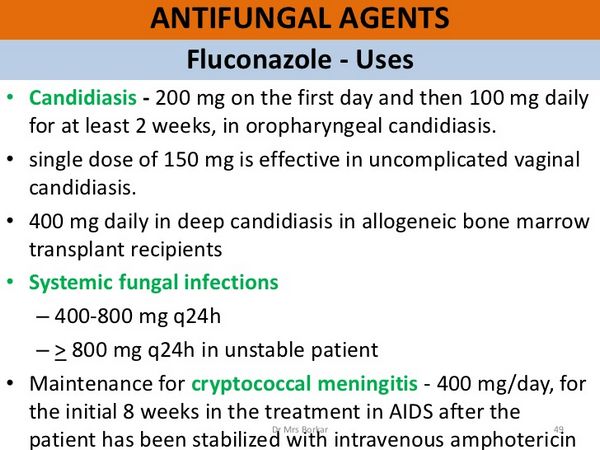
However, other clinicians question the need for prolonged therapy in patients with this infection. Patients with oesophageal candidiasis should receive fluconazole therapy for at least three weeks and for at least two weeks after symptoms have resolved. The optimal dosage for maintenance therapy in patients with oropharyngeal candidiasis has not been established. Oral doses of 50-100 mg once daily have generally been used effectively for maintenance therapy in these patients; doses of up to 200 mg once daily have occasionally been used.
For the treatment of uncomplicated vulvovaginal candidiasis in non-pregnant women, the usual dosage of oral Fluconazole is a single 150-mg oral dose. For the treatment of recurrent vulvovaginal candidiasis in non-pregnant women, two 150-mg doses of oral Fluconazole should be given 3 days apart to achieve mycological remission. Then, a maintenance regimen of 100-150 mg once weekly should be given for 6 months to prevent recurrence. A 2-dose regimen of oral Fluconazole (two 150-mg doses given 3 days apart) is also recommended for the treatment of severe vulvovaginal candidiasis in non-pregnant women.
Fluconazole has been tried for the treatment of cutaneous leishmaniasis caused by Leishmania major. In a randomised, double-blind, placebo-controlled study, 80 patients received a six-week course of oral Fluconazole 200 mg daily, of whom 63 had complete healing of lesions after 3 months, compared with 22 of 65 patients who received placebo. However, others have reported a response rate that was not significantly different from placebo.
For treating systemic candidiasis, the usual adult dosage of Fluconazole is 400 mg as a single dose on the first day of therapy, followed by 200 mg once daily. In a limited number of patients with candidal urinary tract infections and peritonitis, doses of 50-200 mg daily have been used. The optimum dosage and duration of therapy in patients with candidaemia, disseminated candidiasis and pneumonia have not been established; however, a limited number of such patients have received fluconazole doses of up to 400 mg daily. Some clinicians have recommended that patients with invasive candidiasis receive Fluconazole at 400-800 mg daily. Therapy should be continued for at least 4 weeks and for at least 2 weeks after symptoms have resolved.
To treat cryptococcal meningitis, the usual adult dosage of Fluconazole is 400 mg as a single dose on the first day of therapy, followed by 200 to 400 mg once daily. Some evidence suggests that the 400-mg dose is more effective than lower doses in treating this infection. A higher dosage of Fluconazole (i.e., 800-1000 mg daily) has been used in some patients with human immunodeficiency virus (HIV) infection for the treatment of cryptococcal meningitis. For initial therapy of cryptococcal meningitis, Fluconazole is usually continued for 10-12 weeks after the CSF is sterile.
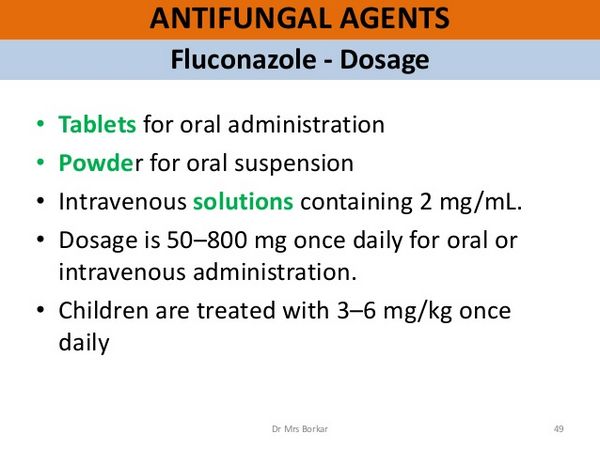
For treating coccidioidal meningitis in adults, fluconazole doses of 200-800 mg once daily have been recommended. For the treatment of coccidioidal meningitis in patients with AIDS, fluconazole doses of 400-800 mg daily are recommended. Concomitant intracisternal, intraventricular or intrathecal amphotericin B therapy has been used in some patients.
If Fluconazole is used to treat blastomycosis or histoplasmosis, a daily dose of 400-800 mg is recommended.
For primary prophylaxis against cryptococcosis in adults or adolescents with HIV infection and absolute helper/inducer (CD4+, T4+) T-cell counts less than 50/mm3, the Prevention of Opportunistic Infections Working Group of the US Public Health Service and the Infectious Diseases Society of America (USPHS/IDSA) recommends 100-200 mg of oral Fluconazole once daily.
While there is some evidence that oral Fluconazole given at 400 mg once weekly may be effective for primary prophylaxis against fungal infections in HIV-infected people, this regimen is not included in current USPHS/IDSA guidelines. Further study is needed to evaluate the effectiveness of regimens other than daily administration for primary prophylaxis.
For long-term suppressive or maintenance therapy (secondary prophylaxis) of coccidioidomycosis in HIV-infected adults or adolescents who have had documented, adequately treated infections, the USPHS/IDSA recommends a fluconazole dose of 400 mg once daily. For suppressive or maintenance therapy to prevent recurrence or relapse of cryptococcosis in HIV-infected adults or adolescents who have had documented, adequately treated infections, the usual dosage of oral Fluconazole is 200 mg once daily.
Some clinicians recommend that, for long-term suppressive therapy against cryptococcosis, oral Fluconazole be given at 400 mg daily for the first 4 weeks, followed by 200 mg daily. If oral Fluconazole is used for long-term suppressive or maintenance therapy (secondary prophylaxis) to prevent recurrence or relapse of mucocutaneous candidiasis (oropharyngeal, vaginal, oesophageal) in HIV-infected adults or adolescents who have had frequent or severe episodes of these candidal infections, the USPHS/IDSA recommends a dosage of 100-200 mg once daily.
While Fluconazole has been used at a dose of 200 mg once weekly for long-term suppressive therapy in women with HIV who have a history of oropharyngeal or vaginal candidiasis, this regimen is not included in current USPHS/IDSA guidelines. There are concerns that this approach could encourage the emergence of fluconazole-resistant strains of Candida. Long-term suppressive or maintenance therapy to help prevent recurrence or relapse of fungal infections in people with HIV is generally continued for life. However, the USPHS/IDSA states that it may be reasonable to stop suppressive or maintenance therapy for cryptococcosis in some adults and adolescents who have had immune recovery as a result of potent combination antiretroviral therapy.
To prevent candidiasis in bone marrow transplant recipients, the recommended dose of Fluconazole is 400 mg once daily. In patients expected to develop severe granulocytopenia (a neutrophil count below 500/mm3), fluconazole should be started several days before the expected onset of neutropenia. It should then be continued for 7 days after the neutrophil count rises above 1000/mm3.
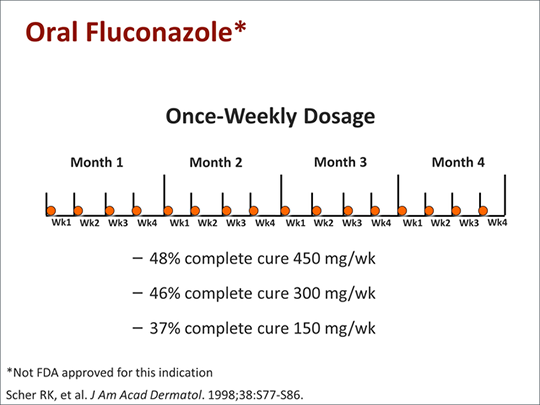
The usual dose of Fluconazole in children ranges from 3-12 mg/kg once daily; doses above 600 mg daily are not recommended. The manufacturer states that doses of 3, 6, or 12 mg/kg daily in children are equivalent to 100, 200, or 400 mg daily, respectively, in adults. Some older children may clear the medicine at a rate similar to adults.
To treat meningitis or septicaemia caused by susceptible Candida, neonates and infants aged 3 months or younger have received Fluconazole at a dose of 5-6 mg/kg once daily, given by mouth or by IV infusion over 1 hour. In some neonates and infants with septicaemia, an initial loading dose of 10 mg/kg was given, followed by 5 mg/kg once daily. Based on available data on the pharmacokinetics of Fluconazole in premature neonates, the manufacturer recommends that neonates aged 2 weeks or younger receive the same daily dose as older children. However, the dose should be given once every 72 hours.
For the treatment of oropharyngeal or oesophageal candidiasis, the manufacturer recommends that children receive 6 mg/kg of Fluconazole on the first day, followed by 3 mg/kg once daily. The dose for oesophageal candidiasis may be increased up to 12 mg/kg daily if needed, depending on the patient's condition and response to the medicine. Treatment for oropharyngeal candidiasis should continue for at least 2 weeks to reduce the chance of relapse. Treatment of oesophageal candidiasis should continue for at least 3 weeks and for at least 2 weeks after symptoms have resolved.
Fluconazole has been given at a dose of 6-12 mg/kg daily to treat systemic candidal infections in children. The manufacturer recommends treating cryptococcal meningitis in children with an initial 12 mg/kg dose on the first day, followed by 6 mg/kg once daily. If needed, the dose may be increased to 12 mg/kg daily depending on the patient's condition and response to the medicine. Fluconazole should be continued for 10-12 weeks after the CSF becomes culture-negative.
The recommended oral dose of Fluconazole for primary prophylaxis against cryptococcosis in infants and children with HIV and severe immunosuppression is 3-6 mg/kg once daily. If oral Fluconazole is used for long-term suppressive or maintenance therapy to prevent recurrence or relapse of cryptococcosis or mucocutaneous candidiasis (oropharyngeal, oesophageal) in infants and children with HIV, the recommended dose is 3-6 mg/kg once daily. A dose of 6 mg/kg once daily is recommended to prevent recurrence or relapse of coccidioidomycosis in these paediatric patients.
In general, Fluconazole causes fewer interactions than itraconazole or ketoconazole. Taking rifampicin with Fluconazole reduces plasma concentrations of Fluconazole. Hydrochlorothiazide used with Fluconazole has led to clinically insignificant increases in plasma fluconazole concentrations.
Fluconazole may affect the metabolism of some other medicines, mainly by inhibiting the cytochrome P450 isoenzymes CYP3A4 and CYP2C9. This may explain reported increases in plasma concentrations of bosentan, ciclosporin, midazolam, nevirapine, amitriptyline, nortriptyline, phenytoin, rifabutin, sulfonylurea hypoglycaemics and nateglinide, selective cyclooxygenase-2 inhibitors such as celecoxib and parecoxib, tacrolimus, triazolam, warfarin, and zidovudine. Fluconazole may inhibit the formation of a toxic metabolite of sulfamethoxazole. Higher terfenadine concentrations after high doses of Fluconazole have been linked with ECG abnormalities.
A similar effect may be expected with astemizole. However, using Fluconazole with cisapride could increase cisapride concentrations and cause related toxicity, so this combination should be avoided. Fluconazole should also not be used with astemizole, cisapride, or terfenadine because of the risk of cardiac arrhythmias. Syncope has been linked to increased amitriptyline concentrations when amitriptyline was taken with Fluconazole.
Fluconazole may also reduce the clearance of theophylline. The concentration of contraceptive steroids has been reported to both increase and decrease in patients taking Fluconazole, and the effectiveness of oral contraceptives may be affected. For more information on interactions between medicines metabolised by the cytochrome P450 isoenzyme CYP3A and azoles, see under Itraconazole.
Both levofloxacin and fluconazole can prolong the QT interval. Using intravenous levofloxacin and Fluconazole at the same time led to an episode of torsade de pointes in a patient on haemodialysis.
An in vitro synergistic antifungal effect was seen with terbinafine and Fluconazole against strains of Candida albicans.
The emergence of Candida spp. strains resistant to Fluconazole has become increasingly important, particularly in immunocompromised patients receiving long-term prophylaxis with Fluconazole. In addition to resistance in Candida albicans, infections with Candida dubliniensis, Candida glabrata, and Candida krusei, all of which may be less sensitive to Fluconazole than Candida albicans, have been noted in these patients. Secondary resistance of Candida glabrata has also been reported during fluconazole therapy.
Resistance to Fluconazole has been reported more often than resistance to ketoconazole or itraconazole, which may be related to the medicine's widespread use. Cross-resistance with other azoles and with amphotericin B has also been reported.
Fluconazole resistance has also been reported in Cryptococcus neoformans and Histoplasma capsulatum. Histoplasmosis developed during treatment with Fluconazole in a patient with HIV infection. Fluconazole-resistant C. neoformans was isolated from an immunocompetent patient who had not previously been exposed to azole antifungals.
In a randomised, double-blind, placebo-controlled crossover study in nine subjects, Fluconazole 400 mg reduced the clearance of alfentanil 20 micrograms/kg by 55% and increased alfentanil-induced subjective effects.
An interaction between Fluconazole and amitriptyline has been reported.
Giving Fluconazole at the same time probably increases exposure to amitriptyline. Three adult case reports have shown increased plasma amitriptyline concentrations with concurrent fluconazole use; in one patient, a 57-year-old woman, the QT interval was prolonged and torsade de pointes occurred.
In vitro studies and animal experiments have shown conflicting results about possible antagonism between the effects of Fluconazole and amphotericin on Candida species. However, large randomised, double-blind comparisons of Fluconazole with and without amphotericin for 5 days in non-neutropenic patients with candidaemia showed no evidence of antagonism, but they did show faster clearance of the organism from the blood and a trend towards improved outcomes in those who received the combination.
Fluconazole absorption after oral administration is not affected by gastric pH, so antacids such as co-magaldrox do not affect it.
Using terfenadine with Fluconazole can lead to dangerously high terfenadine concentrations and result in cardiotoxicity. The same effect is suspected with astemizole.
Twelve healthy men took part in a randomised, double-blind, four-way crossover study to assess the interaction between Fluconazole and bromazepam. They received single oral or rectal doses of bromazepam (3 mg) after 4 days of pretreatment with oral Fluconazole (100 mg/day) or placebo. Fluconazole caused no significant changes in the pharmacokinetics or pharmacodynamics of oral or rectal bromazepam.
Fluconazole increased blood concentrations of midazolam and triazolam.
The effects of Fluconazole (400 mg loading dose followed by 200 mg/day) on the kinetics of midazolam were studied in 10 mechanically ventilated adults receiving a stable infusion of midazolam. Midazolam concentrations increased up to fourfold after fluconazole therapy began; these changes were most marked in patients with renal insufficiency. During the study, the ratio of a-hydroxy midazolam to midazolam progressively fell. The authors concluded that in ICU patients receiving Fluconazole, reducing the midazolam dose should be considered if the level of sedation increases.
In a study of the pharmacokinetics and pharmacodynamics of oral midazolam 7.5-15 mg, switching from inhibition of metabolism by Itraconazole 200 mg/day to induction of metabolism by rifampicin 600 mg/day caused up to a 400-fold change in the AUC of oral midazolam.
Fluconazole increased the blood pressure-lowering effects of nifedipine by raising its plasma concentrations in a 16-year-old patient with malignant phaeochromocytoma who was taking long-term nifedipine for hypertension and was given Fluconazole for Candida septicaemia.
Fluconazole can cause carbamazepine toxicity, presumably by inhibiting CYP3A4.
Fluconazole can increase ciclosporin concentrations by inhibiting CYP3A4. Some studies found minimal or no effect, while others showed increased ciclosporin concentrations. Differences in the dose and duration of fluconazole treatment may explain these discrepancies. For example, there was no interaction at a fluconazole dose of 100 mg/day, but high doses of Fluconazole (400 mg/day or more) increased blood ciclosporin and tacrolimus concentrations.
The interaction between ciclosporin and Fluconazole was evaluated retrospectively in 19 kidney and pancreas/kidney transplant recipients. Both intravenous and oral Fluconazole altered blood ciclosporin concentrations. Five subjects did not have a significant interaction, while 15 did. No patient had nephrotoxicity or transplant rejection related to antifungal therapy.
The effects of higher doses of Fluconazole on ciclosporin immunosuppression were investigated in six renal transplant patients in a prospective, unblinded, crossover study. Baseline renal function, ciclosporin AUC, Cmax, Cmm, fmax, and clearance were compared with values measured 2,4 and 7 days after starting oral Fluconazole at a dose of 200 mg/ day. From day 8 onwards, the ciclosporin dose was reduced by 50%, and the same parameters were repeated on day 14. The results are shown in Table 1. On repeated-measures ANOVA, only the AUC and Cmax on day 4 of Fluconazole were significantly higher than on day 0. There were no significant changes in ciclosporin clearance and fmax. The authors concluded that changes in Cmin may not be sensitive enough to detect the interaction described and suggested monitoring the AUC near day 4 of treatment to guide ciclosporin dose adjustments in all patients taking concomitant Fluconazole.
Fluconazole absorption after oral administration is not affected by gastric pH, so cimetidine has no effect.
The effects of fluconazole and clarithromycin on the pharmacokinetics of rifabutin and 25-O-desacetylrifabutin were studied in 10 patients with HIV who were given rifabutin 300 mg daily in addition to fluconazole 200 mg daily and clarithromycin 500 mg twice daily. There was a 76% increase in the plasma AUC of rifabutin when either fluconazole or clarithromycin was given alone and a 152% increase when both drugs were given together. The authors concluded that patients should be monitored for adverse effects of rifabutin when it is co-administered with fluconazole or clarithromycin.
Cyclophosphamide is a prodrug metabolised by CYP450 enzymes to produce alkylating species, which are cytotoxic, and the extent of cyclophosphamide metabolism is linked to both treatment effectiveness and toxicity. In vitro studies in six human liver microsomes showed that the IC50 of Fluconazole for reducing 4-hydroxycyclophosphamide production was 9-80 µmol/l.
A retrospective study in 22 children with cancer looked at the potential interaction between fluconazole and cyclophosphamide. Children with an established cyclophosphamide metabolism profile who were not taking other medicines known to affect drug metabolism were selected; 9 were taking fluconazole and 13 were controls. Plasma clearance was significantly lower in patients taking fluconazole concomitantly (2.4 versus 4.2 L/hour/m²). It is unclear whether this interaction is associated with reduced therapeutic effectiveness of cyclophosphamide.
The effect of Fluconazole on the plasma pharmacokinetics of doxorubicin was investigated in a randomised crossover study in non-human primates. Fluconazole (10 mg/kg/day) was given intravenously for 4 days before doxorubicin (2.0 mg/kg intravenously). Pretreatment with Fluconazole did not affect the pharmacokinetics of doxorubicin, and the incidence of severe neutropenia (absolute neutrophil count below 0.5 x 10⁹/1) was higher with doxorubicin alone than with the combination of doxorubicin and Fluconazole. This suggests that Fluconazole does not appear to contribute to the marrow-suppressive effects of doxorubicin.
Using Fluconazole and flucytosine together may have an additive effect. This combination could help in the treatment of cryptococcal meningitis.
The pharmacokinetic interaction of fluconazole 400 mg once daily and indinavir 1000 mg three times daily was evaluated in an 8-day placebo-controlled crossover study; there was no significant interaction.
The effect of Fluconazole on the steady-state pharmacokinetics of ritonavir and saquinavir was studied in patients infected with HIV-1. They received the protease inhibitor (saquinavir 1200 mg three times daily, n = 5, or ritonavir 600 mg twice daily) alone on day 1 and then with Fluconazole 400 mg on day 2 and 200 mg on days 3-8. The median increase in saquinavir AUC was 50%, and the median increase in Cmax was 56%. In contrast, Fluconazole did not affect the disposition of ritonavir.
An interaction between fluconazole and methadone (a substrate of CYP3A4, CYP2C9, and CYP2C19) has been reported.
While taking a stable dose of methadone, a 60-year-old man with advanced cancer developed respiratory depression 2 days after receiving intravenous Fluconazole for refractory oral candidiasis. Intravenous naloxone reversed the respiratory depression.
In a randomised, double-blind, placebo-controlled study in 25 patients, Fluconazole 200 mg/day increased methadone concentrations, but patients treated with Fluconazole did not show signs or symptoms of significant narcotic overdose.
Fluconazole absorption after oral administration is not affected by gastric pH, so omeprazole has no effect. Omeprazole is extensively metabolised in the liver by 5-hydroxylation and sulfoxidation reactions, catalysed predominantly by CYP2C19 and CYP3A4, respectively. Fluconazole is a potent competitive inhibitor of CYP2C19 and a weak inhibitor of CYP3A4. The effect of Fluconazole on the pharmacokinetics of a single oral dose of omeprazole 20 mg was evaluated after a single oral dose of Fluconazole 100 mg and after 4 days of oral administration of 100 mg/day in 18 healthy male volunteers. Fluconazole increased the Cmax and mean AUC of omeprazole and prolonged its half-life (2.59 versus 0.85 hours).
Fluconazole did not significantly alter the pharmacokinetics of ethinylestradiol or norgestrel, and the investigators interpreted this as suggesting that treatment with Fluconazole in users of oral contraceptives would not increase the risk of pregnancy. However, the study used a 50 mg dose of Fluconazole, and experience with higher doses has shown different results.
In another study, Fluconazole reduced the systemic availability of ethinylestradiol in an oral contraceptive, but the doses used were not reported.
In an open, crossover study of 10 young healthy subjects, Fluconazole 150 mg increased the serum concentrations of ethinylestradiol 30-35 µg/day.
The potential pharmacokinetic interaction between Fluconazole 300 mg once weekly and an oral contraceptive containing ethinylestradiol and norethindrone (Ortho-Novum 7/7/7; Ortho-McNeil Pharmaceutical Inc, Raritan, NJ) was studied in a placebo-controlled, double-blind, randomised, two-way crossover study in 26 healthy women aged 18-36 years. During the first cycle, they took the oral contraceptive only. During the second cycle, they were randomly assigned to oral contraceptive + Fluconazole or oral contraceptive + placebo. In the third cycle, they were given the alternative treatment.
Fluconazole caused small but statistically significant increases in the AUCo-24 of ethinylestradiol and norethindrone. Those given Fluconazole experienced no treatment-related side effects.
It therefore appears that there is no risk of contraceptive failure due to concomitant fluconazole use.
Co-administration of Fluconazole and phenytoin resulted in markedly higher phenytoin concentrations.
The combination of rifampicin with Fluconazole has insignificant effects.
The effects of fluconazole on plasma fluvastatin and pravastatin concentrations were studied in two separate randomised, double-blind, two-phase crossover studies. Healthy volunteers were given oral fluconazole (400 mg on day 1 and 200 mg on days 2-4) or placebo. On day 4, they took a single oral dose of fluvastatin 40 mg or pravastatin 40 mg.
Fluconazole increased the plasma AUC and half-life of fluvastatin by 80% but had no significant effects on the pharmacokinetics of Pravastatin. The mechanism for the prolonged elimination of fluvastatin was probably inhibition of CYP2C9. In contrast, Pravastatin does not appear to be susceptible to interactions with Fluconazole and other CYP2C9 inhibitors.
The effect of Fluconazole on the pharmacokinetics of rosuvastatin was investigated in a randomised, double-blind, two-way crossover, placebo-controlled study. Healthy male volunteers were given fluconazole 200 mg/day or matching placebo for 11 days; rosuvastatin 80 mg was co-administered on day 8. Plasma concentrations of rosuvastatin, N-desmethyl rosuvastatin, and active and total HMG-CoA reductase inhibitors were measured up to 96 hours after the dose.
Fluconazole increased the AUC and Cmax of rosuvastatin by 14% and 9% respectively. Limited data available for the N-desmethylated metabolite showed that the Cmax fell by about 25%. Fluconazole did not affect the proportion of circulating active or total HMG-CoA reductase inhibitors accounted for by circulating rosuvastatin. Fluconazole therefore produced only minor changes in rosuvastatin kinetics, which were not clinically relevant.
Using Fluconazole with tolbutamide resulted in increased tolbutamide concentrations.
The effects of Fluconazole and fluvoxamine on the pharmacokinetics and pharmacodynamics of glimepiride were studied in a randomised, double-blind, crossover study in 12 healthy volunteers who took Fluconazole 200 mg/day (400 mg per day, fluvoxamine 100 mg/day, or placebo once daily for 4 days. On day 4, they took a single oral dose of glimepiride 0.5 mg.
Fluconazole increased the mean total AUC of glimepiride to 238%, the peak plasma concentration to 151% of control values, and prolonged the half-life of glimepiride from 2.0 to 3.3 hours. This was probably due to inhibition of CYP2C9-mediated biotransformation of glimepiride by Fluconazole. However, Fluconazole did not cause statistically significant changes in the effects of glimepiride on blood glucose concentrations.
Since tacrolimus is metabolised by intestinal and hepatic CYP3A4, medicines that inhibit CYP3A4 can reduce the metabolism of tacrolimus and increase tacrolimus blood concentrations.
The effect of Fluconazole on tacrolimus blood concentrations was investigated in eight liver transplant patients in whom prophylactic Fluconazole (200 mg/day) was stopped because of raised hepatic transaminases, renal dysfunction or eosinophilia (n = 1 each). Calculated tacrolimus concentrations fell by 13-81% (median 41%) between the fourth and ninth days after Fluconazole was withdrawn. Tacrolimus blood concentrations should be monitored carefully, and the dose increased as needed after stopping Fluconazole.
The interaction between tacrolimus and Fluconazole was evaluated retrospectively in 19 kidney and pancreas/kidney transplant recipients. Both intravenous and oral Fluconazole changed tacrolimus blood concentrations. Five patients did not have a significant interaction, and 15 did. No patient had nephrotoxicity or transplant rejection related to antifungal therapy.
When Itraconazole was withdrawn, its effect on tacrolimus kinetics took 12 days to reverse. The inhibitory effect of Itraconazole happened quickly, but it took much longer to wear off, which is important for clinical management. So, when Itraconazole and tacrolimus are used together, tacrolimus blood concentrations should be monitored closely and the dose adjusted carefully to help avoid toxicity.
Taking Fluconazole and warfarin together has, in some cases, led to prolongation of prothrombin time.
The combination of Fluconazole with valproic acid inhibited zidovudine glucuronidation in human hepatic microsomes in vitro more than other drugs, such as atovaquone and methadone.
Side effects reported with Fluconazole most commonly affect the gastrointestinal tract, including abdominal pain, diarrhoea, flatulence, nausea and vomiting, and taste disturbance. Other side effects include headache, dizziness, leucopenia, thrombocytopenia, hyperlipidaemias, and raised liver enzyme values. Serious hepatotoxicity has been reported in patients with severe underlying diseases such as AIDS or malignancy. Anaphylaxis and angioedema have been reported rarely. Skin reactions are rare, but exfoliative skin reactions such as toxic epidermal necrolysis and Stevens-Johnson syndrome have occurred, more commonly in patients with AIDS.
Alopecia has occasionally been reported in patients receiving Fluconazole, especially with prolonged use.
Hypokalaemia was associated with Fluconazole in 3 patients with acute myeloid leukaemia.
Prolonged QT interval and torsade de pointes have been reported rarely in patients receiving Fluconazole.
Although severe hepatic reactions to Fluconazole are rare, they have been reported, especially in patients with severe underlying diseases or hepatic dysfunction. Raised liver enzymes are commonly seen, and there have also been reports of jaundice. Hepatic necrosis has rarely been seen post-mortem in patients with severe underlying disease who had received Fluconazole. In one such patient, hepatotoxicity was considered dose-dependent.
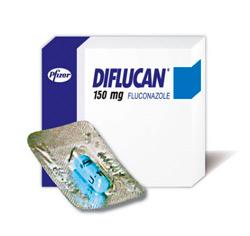
Desensitisation was successfully carried out in a patient with AIDS who showed hypersensitivity to both Fluconazole and Itraconazole. Over seven days, gradually increasing oral doses of Fluconazole (starting at 5 mg daily) were given; after that, the dose was maintained at 400 mg daily. No side effects were reported during the desensitisation period or in the three months before publication of the report.
Fluconazole should be used with caution in patients with impaired hepatic or renal function. Abnormalities in haematological, hepatic and renal function tests have been seen in patients with serious underlying diseases such as AIDS or malignancy. Cases of torsade de pointes and QT prolongation have been reported rarely, and caution is advised when giving Fluconazole to patients with proarrhythmic conditions. Teratogenicity has occurred in animals given high doses of Fluconazole, and its use is not recommended during pregnancy.
Fluconazole passes into breast milk, reaching concentrations similar to those in maternal plasma. However, Australian product information generally does not recommend its use while breastfeeding. In one report, no adverse effects were seen in an infant exposed to Fluconazole in breast milk for six weeks, apart from a slight increase in lactate dehydrogenase level. In Australia, breastfeeding recommendations should be checked against current product information and clinical advice.
High (toxic) doses of Fluconazole, Itraconazole and ketoconazole have been reported to be teratogenic in rodents.
Although there is limited information about the use of these drugs in human pregnancy, there is a report of a woman who took Fluconazole 400 mg daily throughout pregnancy and gave birth to an infant with severe craniofacial and limb abnormalities. The abnormalities resembled those associated with Antley-Bixler syndrome, a genetic disorder. However, a teratogenic effect could not be excluded.
Although prescription-event-monitoring studies of Fluconazole did not show adverse effects on the fetus, congenital abnormalities have occurred in infants whose mothers were given high doses of Fluconazole for 3 months or more. Data collected by the manufacturer on 198 women exposed to Itraconazole during the first trimester of pregnancy indicated that the malformation rate in both exposed women and matched controls was within the expected baseline risk for the general population.
Nevertheless, the manufacturers recommend avoiding Fluconazole, Itraconazole and ketoconazole during pregnancy. Licensed product information states that doses of voriconazole equivalent to those used therapeutically are teratogenic and embryotoxic in rodents. Therefore, the manufacturer recommends avoiding voriconazole during pregnancy and that women of child-bearing potential use effective contraception during treatment.
Similar recommendations have been made for posaconazole. Other azole antifungals, including butoconazole, clotrimazole, econazole, miconazole, sulconazole, terconazole and tioconazole, are reported to be embryotoxic but not teratogenic in rodents given high doses. Many of these drugs are used topically or intravaginally, and systemic absorption from these routes of administration varies. While these drugs may not necessarily be contraindicated in pregnancy, these potential risks should be considered when choosing antifungal therapy for such patients.

I'm in Geelong. Can I enter my postcode at checkout to see whether these fluconazole tablets can be delivered to my address?
Yes. Enter your Geelong postcode at checkout to check whether delivery is available for your address.
I take simvastatin every night for cholesterol and have been advised to take fluconazole tablets for thrush. Is it safe to use them together?
Fluconazole can raise simvastatin levels and increase the risk of muscle pain, weakness and, rarely, serious muscle injury. Ask the prescriber or pharmacist to review the combination before starting fluconazole; do not change or stop your statin on your own.
| Active ingredient | Fluconazole |
|---|---|
| Drug class | Azole (triazole) antifungal |
| Dosage form | Tablets |
| Available strengths | 50 mg, 100 mg, 150 mg, 200 mg, 400 mg |
| Route | Oral |
| Storage | Store tablets at controlled room temperature, 15°C to 30°C, in a tightly closed container away from moisture. |
| ATC code | J02AC01 |
This product has 96 ratings, but only 5 written reviews so far. Share your experience and help other customers.
I'll order Diflucan again.
The 270-unit package was the practical choice.
Support was genuinely helpful.
Everything went well.
I found the packaging pretty handy.


