What Ketoconazole Cream is
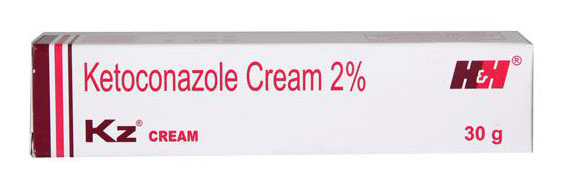
Ketoconazole cream 2% is a non-steroid antifungal medicine. It treats certain fungal and yeast skin infections by killing the fungus or yeast, or by stopping it from growing. In Australia, it is commonly used in general practice and dermatology for superficial fungal skin infections.
What it is used for
Ketoconazole cream 2% is used on the skin for:
- Ringworm of the body (tinea corporis)
- Jock itch (tinea cruris)
- Athlete's foot (tinea pedis)
- Tinea versicolor (pityriasis/tinea versicolor)
- Yeast infection of the skin (cutaneous candidiasis)
- Seborrhoeic dermatitis
Can I apply it to my face?
Sometimes, yes. Ketoconazole cream may be used on the face only if the affected area is on the face (for example, seborrhoeic dermatitis or a fungal infection diagnosed by a clinician). Apply a thin layer and keep it away from the eyes, lips and inside the nose. If it causes strong burning, swelling or a rash, stop using it and contact a clinician.
Also available as a shampoo and tablets: Ketoconazole also comes as a
2% shampoo and
200 mg tablets.
- 2% shampoo: often a better choice when the problem is mainly on the scalp (for example, dandruff/seborrhoeic dermatitis) or when you need to treat larger, hair-bearing areas where a cream is hard to apply.
- 2% cream: best for small, localised areas of fungal or yeast infection on the skin.
- 200 mg tablets (oral ketoconazole): a systemic medicine used only for certain serious infections when other treatments are not suitable. It is not used for routine skin conditions because it can cause serious liver injury and has important drug interactions. Use only if prescribed and monitored by an Australian clinician.
Is this a steroid cream?
No. Ketoconazole cream is an antifungal medicine, not a corticosteroid. It does not work like steroid creams used to calm inflammation in conditions such as eczema or psoriasis.
Before you use Ketoconazole Cream
- Do not use if you are allergic to ketoconazole or any ingredient in the product.
- Not for ophthalmic use: do not put it in your eyes.
- For external use only. Do not take it by mouth or use it inside the vagina.
- Children: safety and effectiveness in children have not been established.
If you recently used a steroid cream
If you have been using a steroid cream, ointment or lotion on the same area (for example, betamethasone or hydrocortisone), ask your doctor or pharmacist how to stop it and when to start ketoconazole cream. Do not change your steroid use on your own if you are unsure.
How to use Ketoconazole Cream
Wash and dry the affected skin. Apply a thin layer to the affected area and the skin around it, then rub in gently. Wash your hands after applying it, unless you are treating your hands.
- Most fungal/yeast skin infections: apply once daily.
- Typical treatment durations:
- Tinea corporis / tinea cruris / cutaneous candidiasis: 2 weeks
- Tinea versicolor: 2 weeks
- Tinea pedis (athlete's foot): 6 weeks
- Seborrhoeic dermatitis: apply twice daily for 4 weeks (or until clear)
If there is no improvement after the recommended treatment period, the diagnosis should be reviewed by a clinician.
Treatment table (what it is and is not used for)
| Condition |
Used to treat with ketoconazole cream 2%? |
Notes |
| Ringworm (tinea corporis) |
Yes |
On-label skin use. |
| Tinea versicolor |
Yes |
On-label skin use. |
| Yeast infection (skin / cutaneous candidiasis) |
Yes |
On-label for yeast infection of the skin. Not for vaginal yeast infection. |
| Seborrhoeic dermatitis |
Yes |
Often affects the scalp and face; use as directed and avoid the eyes. |
| Pimples (acne vulgaris) |
- |
Not used for typical acne. If bumps are due to yeast (Malassezia) folliculitis, antifungals may be used under clinician guidance (off-label). |
| Rosacea |
- |
Not a standard treatment for rosacea. |
| Eczema |
- |
Not a standard treatment for eczema (eczema is usually inflammatory, not fungal). |
| Psoriasis |
- |
Not a standard treatment for psoriasis. |
| Hair loss |
- |
Not used to treat hair loss. If scalp symptoms are due to seborrhoeic dermatitis, treating the rash may help discomfort or flaking, but it is not a hair-loss treatment. |
Possible side effects
Most side effects happen where the cream is applied. Stop using it and seek medical advice if you develop signs of an allergic reaction.
- Stinging, burning, itching
- Irritation, redness, rash
- Rarely, contact dermatitis (including reactions to ingredients such as propylene glycol or sulfites)
How to store
Store at 20°C to 25°C (68°F to 77°F). Keep out of reach of children.
Ingredients and strength
Ketoconazole cream 2% contains 20 mg of ketoconazole per 1 g of cream (2% w/w). Inactive ingredients vary by manufacturer.
Important: Some formulations contain sodium sulfite, which can cause allergic-type reactions (including severe reactions) in susceptible people, especially those with asthma.